By Amanda Rose Newton
Florida is home to several native pine species that not only thrive in our unique environment but also offer an attractive alternative to traditional Christmas-tree pines imported from colder climates. For Central Florida gardeners, choosing a local pine can provide beauty, resilience, ecological benefits, and even that classic “piney” aroma all without the decline that often occurs when planting trees adapted to very different regions.
This guide explains why Florida-native pines are a better choice than out-of-state varieties, outlines the best species for USDA Zones 9a–10a, and provides care tips along with ideas for creating a “living Christmas tree” indoors or in your landscape.
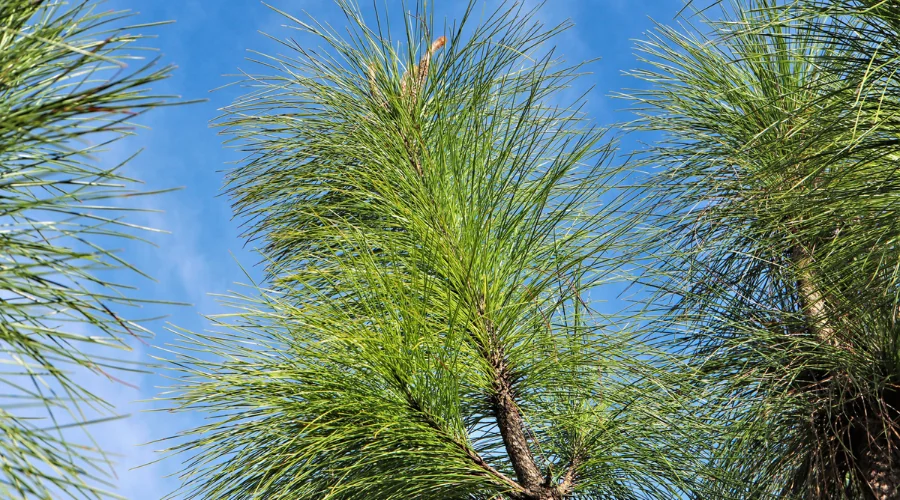
Why Choose Florida-Native Pines Over Pines From Other States?
Many pines sold at national retailers are sourced from nurseries in Georgia, North Carolina, or the Midwest. Although attractive, these trees are adapted to cooler climates, clay-based soils, and different rainfall patterns. Once planted in Florida, they frequently struggle.
Climate Adaptation
Florida-native pines evolved in sandy soil, high humidity, intense rainfall events, and long growing seasons. They are naturally equipped to handle Florida’s environmental extremes, from drought cycles to tropical storms.
Superior Storm Resilience
Species such as longleaf and slash pine are known for their deep root systems and strong wood structure. They withstand wind events far better than many imported pine species, which may develop weak root systems in Florida’s sandy soils.
Lower Pest and Disease Pressure
Out-of-state pines may be susceptible to pests and pathogens rarely found in their native environments. Florida-native pines, by contrast, have natural resistance to many local issues, reducing maintenance needs.
Faster Establishment in Local Soils
Because native pines are accustomed to Florida’s low-nutrient, sandy conditions, they typically establish more quickly and require far less irrigation or fertilizer after planting.
Higher Wildlife Value
Native pines provide habitat and food for a wide range of local species, including woodpeckers, squirrels, songbirds, and beneficial insects. Imported species offer significantly less ecological benefit.
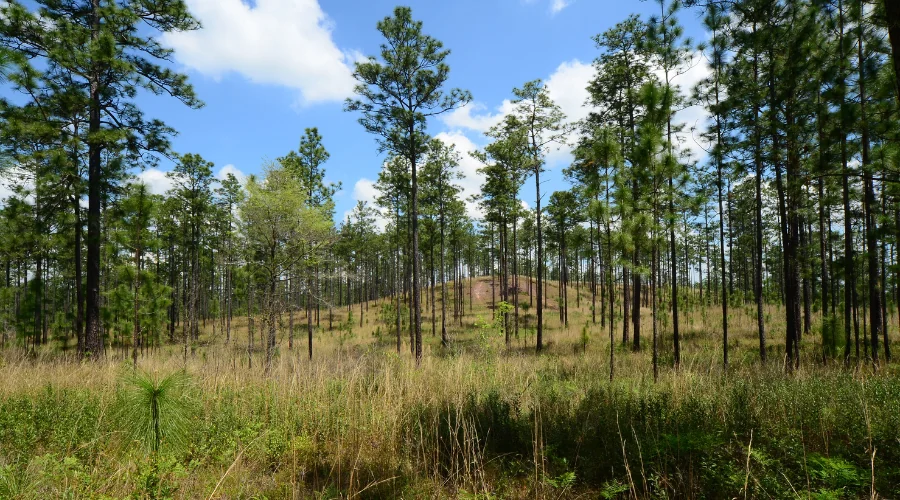
Florida Native Pines for Central Florida Landscapes (By USDA Zone)
Brevard County, Florida spans several USDA Zones (primarily 9a, 9b, and 10a). The following pine species are the best suited to these conditions.
Slash Pine (Pinus elliottii) — Zones 8b–10b
Slash pine is the most commonly planted native pine in Central Florida. It grows quickly, handles wet soils well, and offers the classic upright Christmas-tree shape.
Characteristics:
- Medium-fast growth
- Strong hurricane resilience
- Fragrant resin and needles
- Suitable for both suburban and rural landscapes
Longleaf Pine (Pinus palustris) — Zones 7b–10a
Once dominant across the Southeast, the longleaf pine is a slow starter but becomes one of the strongest and most iconic pines once mature.
Characteristics:
- Extremely wind- and drought-tolerant
- Long, dramatic needles
- A deep taproot that improves storm stability
- Ideal for restoration or naturalistic landscapes
Sand Pine (Pinus clausa) — Zones 8a–11
Adapted to Florida’s scrub habitat, sand pine grows well in pure sand where many other trees would decline.
Characteristics:
- Compact form, suitable for smaller yards
- Low maintenance
- Thrives in dry, coastal, or nutrient-poor conditions
Pond Pine (Pinus serotina) — Zones 7–10
Well-suited to wet or periodically flooded areas, pond pine is a good choice for properties with retention ponds or low-lying soils.
Characteristics:
- Tolerates “wet feet”
- Slow to moderate growth
- Provides valuable wildlife habitat
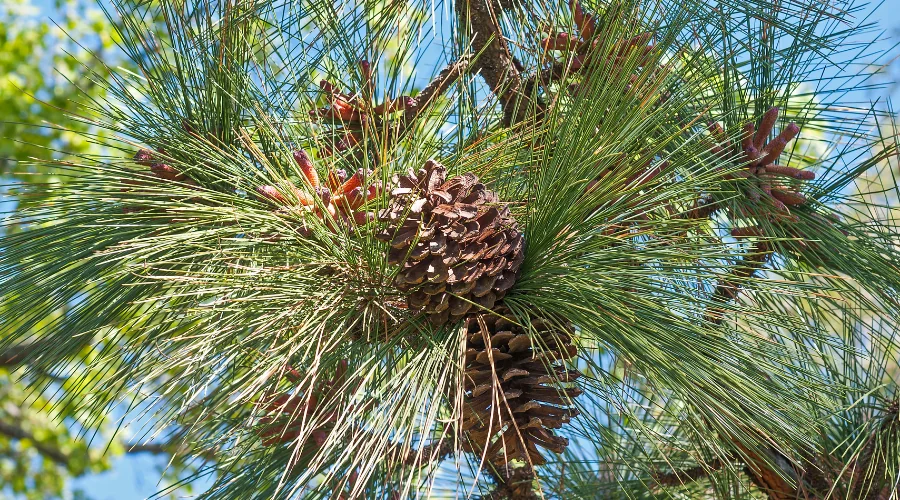
Do Florida Pines Smell “Piney”?
Florida-native pines do have a noticeable pine scent, although it differs somewhat from fir species commonly used as Christmas trees.
Slash Pine
The most fragrant of Florida’s native pines. Its resin and needles release a classic pine scent, especially in warm weather.
Longleaf Pine
Offers a clean, resinous aroma that becomes more pronounced after rain or when needles are crushed.
Sand Pine
Less strongly scented than slash or longleaf pine, but still pleasantly evergreen.
Northern firs (Fraser, Douglas, Noble) have richer holiday aromas because their resin chemistry is adapted to colder climates. Florida pines offer a lighter, but still clearly “pine-like,” scent.
Caring for Florida Native Pines
One of the biggest advantages of native pines is their low maintenance. Still, proper establishment is key.
Sunlight Requirements
All Florida-native pines require full sun (6–8+ hours daily). Insufficient sun leads to thin growth and weak branches.
Watering
- First 6 months: Deep irrigation once or twice weekly
- After establishment (around 1 year): Water only during extended drought
Overwatering can cause root decline!!
Soil Preferences
Pines prefer sandy, well-drained soils and do not need amendments. Avoid planting in heavily compacted sites unless soil is loosened beforehand.
Fertilization
Not necessary. Pines evolved in nutrient-poor soils, and fertilizer may lead to weak, top-heavy growth.
Mulching
Retaining pine needles beneath the tree provides natural mulch, conserves moisture, and reduces weeds.
Pruning
Avoid topping or removing central leaders. Prune only dead or damaged limbs.
Creating a “Living Christmas Tree” With Florida Pines
Florida-native pines make excellent living Christmas trees. They can either be potted briefly for indoor use or grown permanently in the landscape.
Choosing a Species for a Potted Christmas Tree
The best candidates for temporary indoor use include:
- Sandbox Pine (Pinus clausa): Most compact
- Young Slash Pine (Pinus elliottii): Maintains a classic cone shape
Recommended container size:
5–7 gallons for easy transport.
Tips for Using a Pine Indoors
- Keep outdoors until a few days before decorating.
- Limit indoor time to 7–10 days to avoid stress.
- Use cool LED lights to prevent heat damage.
- Re-acclimate outdoors gradually after the holidays.
A Christmas-Tree Look in the Landscape
For a year-round evergreen focal point:
- Slash pine provides a traditional silhouette.
- Longleaf pine gives a stately, architectural presence.
A simple landscape spotlight can give these trees a holiday glow in December. Note: These get huge over time!
Where to Purchase True Florida-Grown Pines
To ensure you are getting a pine adapted to Florida’s growing conditions, consider:
- Native plant nurseries
- Garden Centers (Like Rockledge Gardens!)
- Local landscaping nurseries that source from Florida growers
- County Extension sales or conservation seedling programs
- Florida Forest Service seedlings (seasonal availability)
Avoid big-box-store pines that may have originated out of state.
Florida-native pines offer beauty, resilience, and ecological value uniquely suited to Central Florida landscapes. Whether you want to create a naturalistic evergreen backdrop, add wildlife-supporting trees to your yard, or enjoy the charm of a living Christmas tree, local pine species provide a sustainable and attractive choice.
By opting for Florida-grown pines instead of imported varieties, gardeners benefit from better climate adaptation, lower maintenance, improved storm resilience, and a stronger local ecosystem, making them a smart, seasonally festive addition to any Florida landscape.