What to Do with Mums, Poinsettias, Christmas Cactus, Winter Annuals & Christmas Trees in Central Florida
By Amanda Rose Newton
Seasonal plants bring color, tradition, and holiday cheer into our homes, but once the season ends, many gardeners aren’t sure what comes next. In Central Florida, our mild climate gives us more options than most regions, and many holiday plants can be reused, replanted, or recycled rather than thrown away.
Before sending plants to the trash, consider whether they can be planted in the landscape, reused as mulch, or turned into organic matter that benefits your soil and supports local wildlife.
Mums: Worth Trying, Great for Recycling
Mums are often treated as disposable plants, but in Florida, they can sometimes live beyond their first bloom.
Replanting possibilities:
- Remove spent flowers and lightly trim plants
- Plant in full sun with excellent drainage
- Keep expectations realistic as mums may survive, but reblooming isn’t guaranteed
Many gardeners enjoy mums for seasonal color and then:
- Cut plants at soil level and let them break down naturally
- Compost healthy plants to return nutrients to the garden
Wildlife & soil benefit: Decomposing plant material feeds soil organisms and insects, which support birds and other backyard wildlife.

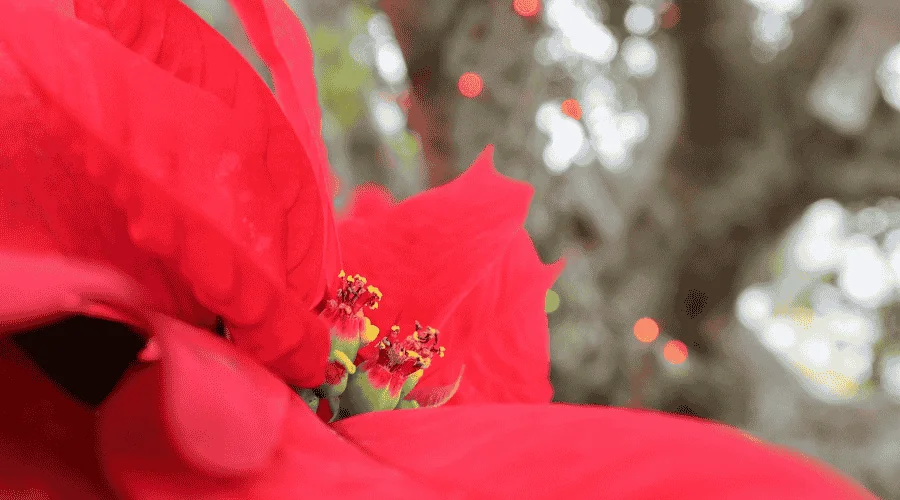
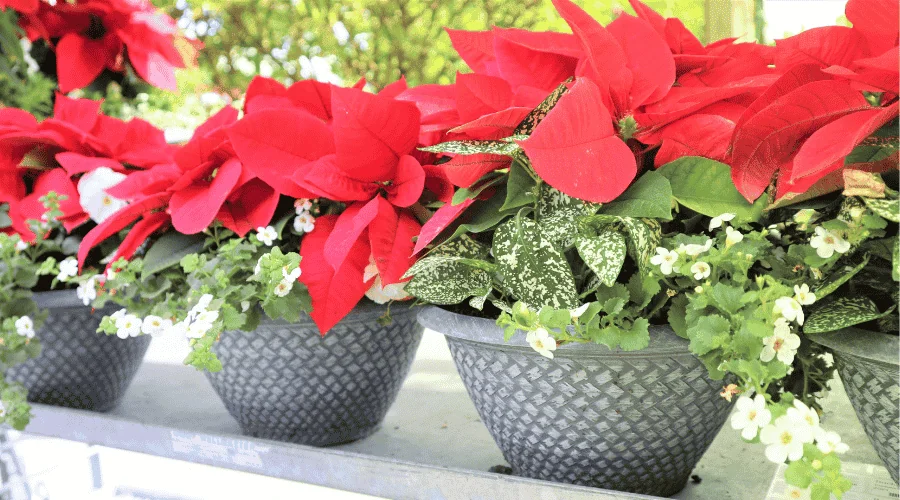
Poinsettias: A Tropical Shrub, Not a Throwaway Plant
Poinsettias are tropical plants and can do well outdoors in Central Florida with a little care.
Replanting possibilities:
- Move outdoors once nighttime temperatures stay above 50°F
- Plant in bright shade or gentle morning sun
- Protect from cold snaps during winter
While reblooming red requires specific light control, many gardeners keep poinsettias as attractive green shrubs.
If plants get leggy:
- Prune and reuse trimmings as mulch
- Compost leaves and stems
Wildlife benefit: Poinsettias provide shelter for lizards, frogs, and beneficial insects.

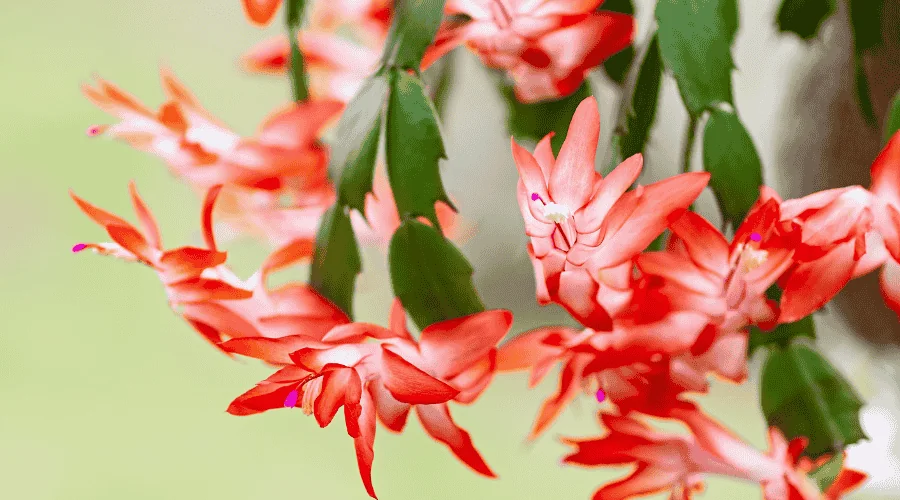
Christmas Cactus: A Holiday Plant That Keeps Going
Christmas cactus is one of the easiest holiday plants to keep long-term.
Replanting possibilities:
- Keep indoors in bright, indirect light
- Move outdoors to a shaded patio or porch in warm months
- Protect from frost and direct sun
Christmas cactus can live for decades and re-bloom year after year with minimal care.
If plants need refreshing:
- Pruned segments can be shared, rooted, or potted
- Avoid composting healthy cuttings as they’re too valuable!
Wildlife note: While mostly an indoor plant, outdoor-grown Christmas cactus flowers can attract pollinators when blooming.
Other Popular Holiday Plants
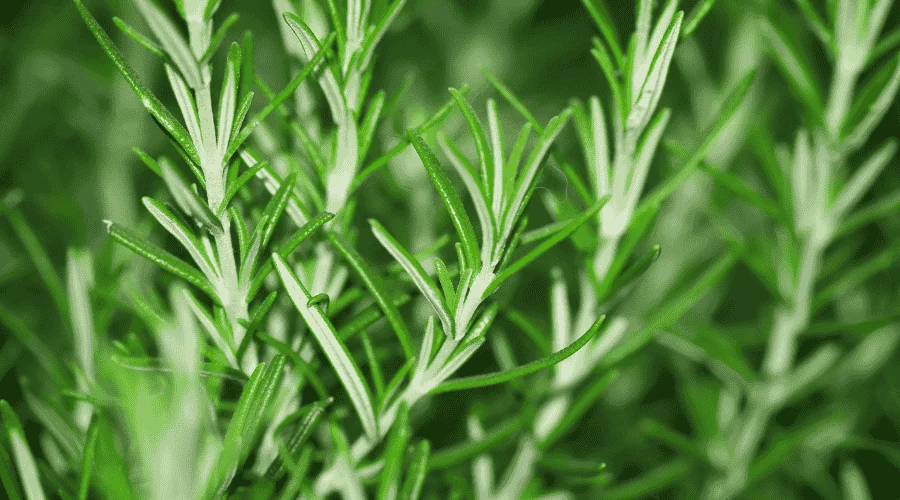
Rosemary (Christmas Tree–Shaped Topiaries)
These are excellent candidates for replanting!
- Plant outdoors in full sun
- Great for Florida landscapes and edible gardens
- Drought-tolerant once established
Wildlife benefit: Rosemary flowers support pollinators, especially bees.
Norfolk Island Pine
Often sold as a living Christmas tree, this plant is not cold-hardy outdoors in Central Florida.
- Best kept as a houseplant
- Can be placed outdoors seasonally, but protect from cold
- Do not plant in the ground
If it declines:
- Compost plant material if untreated
Amaryllis
A holiday favorite that’s very Florida-friendly.
- Bulbs can be planted outdoors in full sun to partial shade
- Often rebloom naturally in spring or early summer
- Extremely low maintenance once established
Wildlife benefit: Large blooms attract pollinators when planted outdoors.
Winter Annuals: Designed for One Season
Cool-season flowers like pansies, petunias, snapdragons, alyssum, and dusty miller are meant to fade as temperatures rise.
Rather than trashing them:
- Compost healthy plants
- Chop and drop plants in garden beds
- Let roots decompose in place to improve soil
Wildlife benefit: Healthy soil supports beneficial insects and birds.
Christmas Trees: From Holiday Decor to Habitat
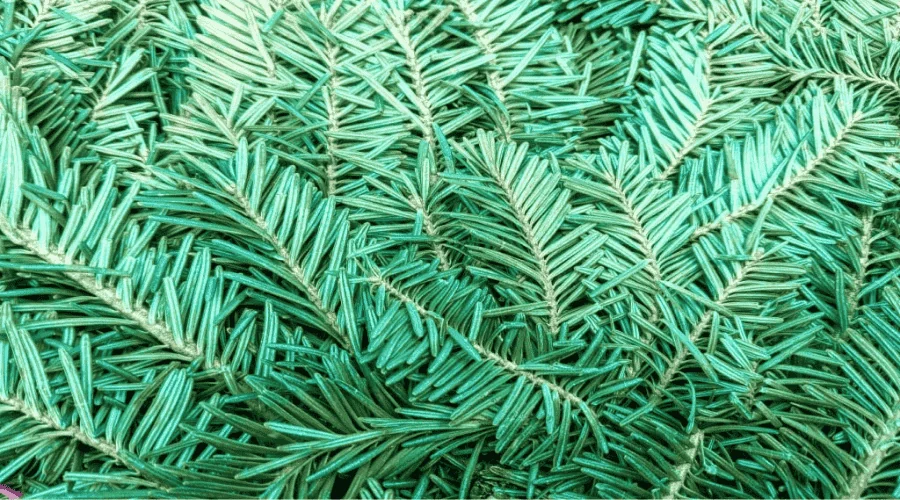
Cut Fraser fir trees won’t grow in Florida, but they’re still useful.
Reuse ideas:
- Chip into mulch for paths
- Use branches to protect soil
- Stack branches to create wildlife shelter
Avoid composting flocked or painted trees.
Wildlife benefit: Branch piles provide shelter for birds, reptiles, and insects.
Why Recycling Seasonal Plants Matters
Reusing seasonal plants:
- Keeps organic material out of landfills
- Improves sandy soils
- Conserves moisture
- Supports pollinators and backyard wildlife
Even short-lived plants can keep working for your landscape long after the holidays.

Garden Bug Pro-Tip:
Before tossing a seasonal plant, ask:
- Can it be replanted?
- Can it become mulch?
- Can it support soil or wildlife?
Most of the time, the answer is yes, and here at Rockledge Gardens we are always happy to help you decide.