By Amanda Rose Newton
If you share your home or garden with a dog or cat, you already know that pets don’t read plant labels. They nibble, dig, roll, chew, and occasionally attempt to “help” you garden. While no plant is 100% pet-proof, the good news is that Central Florida gardeners have lots of beautiful options that are non-toxic, tough, and unappealing to most curious noses and mouths.
Creating a pet-safe garden is really about layering smart choices. It means selecting plants that won’t cause harm if nibbled on, favoring varieties that pets naturally ignore, and designing your space so tempting or delicate plants are out of reach.
First, a Reality Check: What “Pet-Proof” Really Means
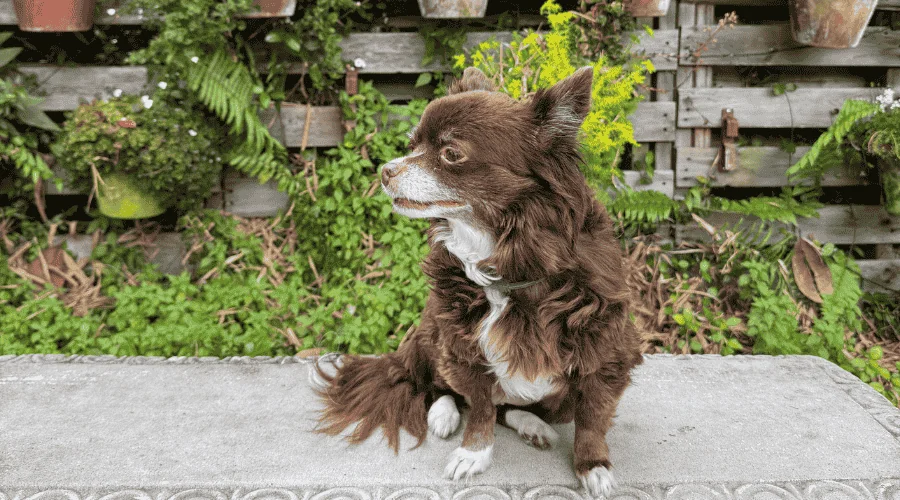
There is no such thing as a completely pet-proof plant! However, there are many plants that are pet-safe. Meaning, if they consume any part of the plant, it will not end in a trip to the vet. There are also many that are pet-resistant, where the tough textures, smells, or tastes make the plant less desirable. Finally, there are dig-resistant plants, those that are either dense or spikey, which discourage your cat or dog from digging up your beautiful garden.
Combining plants from all three categories gives you the best protection.
Pet-Safe Outdoor Plants for Central Florida
These plants are non-toxic to dogs and cats and thrive in our heat, humidity, and sandy soils.
Flowering Plants
- Sunflowers – Fast-growing, cheerful, totally pet-safe
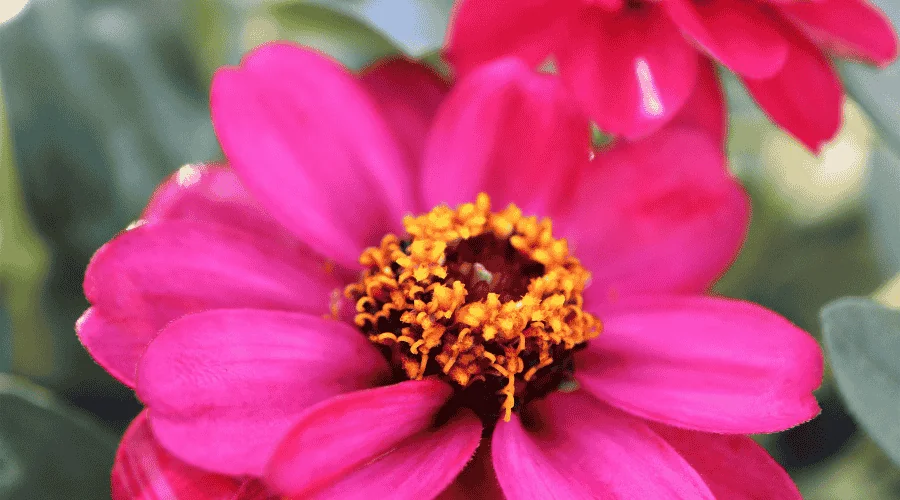
- Zinnias – Easy, colorful, and heat-loving
- Cosmos – Light, airy blooms that self-seed
- Coreopsis (Florida’s state wildflower) – Native and drought-tolerant
- Salvia (most varieties) – Pollinator magnets and hardy
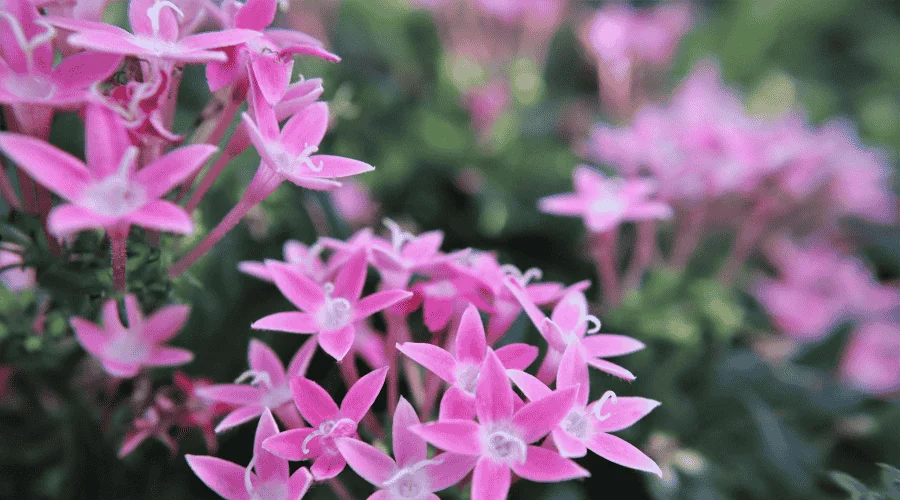
- Pentas – Tough, colorful, and butterfly-friendly
- Impatiens – Great for shady yards and patio pots
Shrubs & Perennials
- Hibiscus – Tropical look without the toxicity
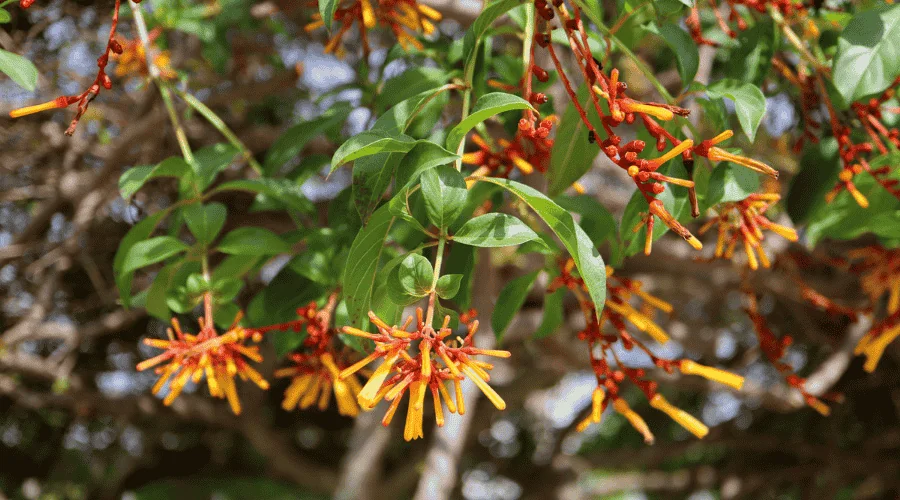
- Firebush (native) – Attracts birds and butterflies
- Beautyberry (native) – Pet-safe and mosquito-repelling leaves
- Coontie (native cycad) – Only the plant body is safe; seeds are toxic!! Please remove the seed cones!
- Blue Porterweed – Hardy and pollinator-friendly
Groundcovers
- Perennial Peanut – Great lawn alternative
- Sunshine Mimosa – Low-growing and drought-tolerant
- Dwarf Mondo Grass – Soft texture, good for borders
Pet-Safe Indoor Plants
If your pets treat houseplants like salad bars, these are solid indoor options.
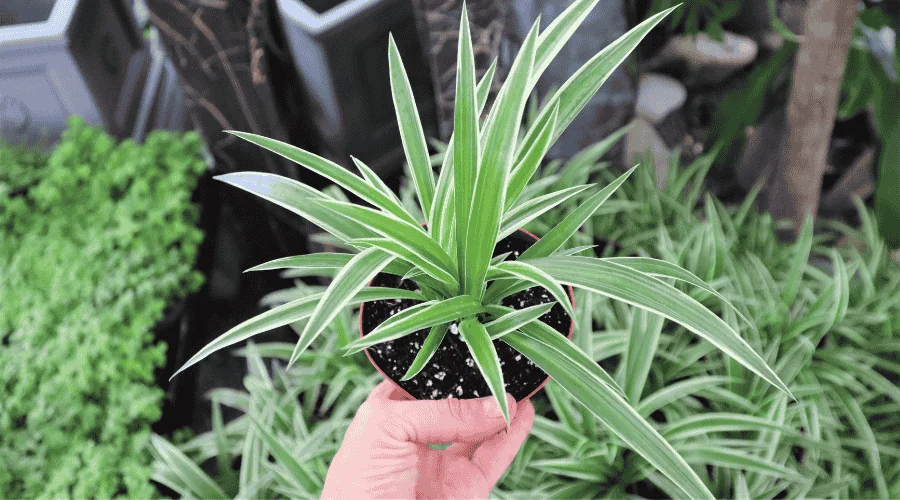
- Spider Plant – Nearly indestructible
- Areca Palm – Brightens rooms without risk
- Parlor Palm – Compact and low-light tolerant
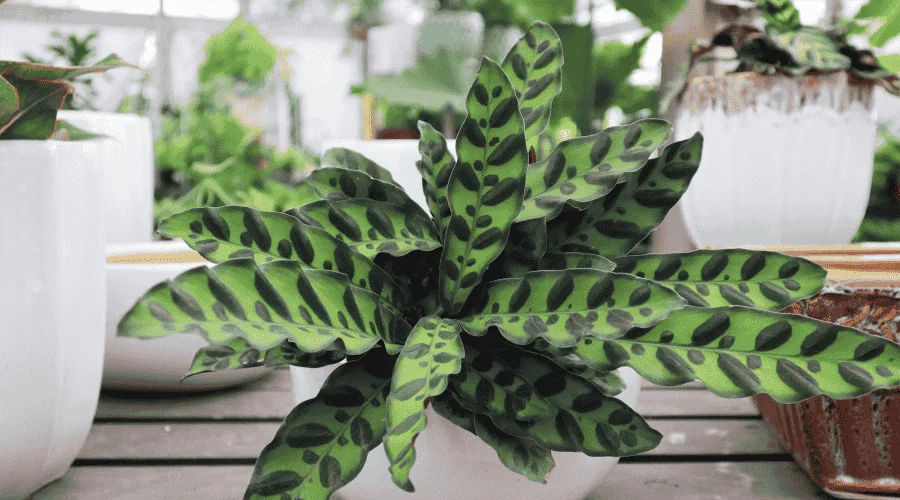
- Calathea – Gorgeous foliage and pet-safe
- Prayer Plant (Maranta) – Safe and expressive leaves
- Boston Fern – Classic, pet-safe fern
- African Violet – Safe flowering houseplant
- Peperomia – Compact, textured leaves pets usually ignore
Pet-Resistant (But Still Non-Toxic) Plants
These plants are not toxic, but they are also not very appealing to chew or dig through.
Chew-Resistant Plants
- Rosemary – Strong scent deters nibbling
- Basil – Usually ignored by pets
- Lemongrass – Tough texture + citrus scent
- Haworthia – Succulent look, safer than aloe
- Cast Iron Plant – Thick, leathery leaves
- Bromeliads – Stiff leaves and sharp rosettes deter chewing
Dig-Resistant Plants
- Society Garlic – Smell discourages digging
- Mondo Grass – Dense root systems
- Dwarf Yaupon Holly – Sturdy, low hedge (berries not toxic, but remove fallen fruit)
Common Toxic Plants to Avoid
These are popular landscaping and houseplants that can cause serious harm if ingested.
Outdoor Plants
- Sago Palm – Extremely toxic (liver failure risk)
- Oleander – Highly toxic
- Azaleas & Rhododendrons
- Foxglove –NO!
- Lantana
- Angel’s Trumpet (Brugmansia)
- Hydrangea
- Allamanda
Indoor Plants
- Peace Lily
- Philodendron
- Dieffenbachia (Dumb Cane)
- Pothos
- ZZ Plant
- Snake Plant
- Aloe Vera
- Rubber Tree
A Special Note for Small Animal and Exotic Pet Owners
If you share your space with herbivore pets like rabbits, guinea pigs, or tortoises, plant safety needs an extra layer of care. A plant that’s “non-toxic to dogs and cats” is not automatically safe (or appropriate as food) for these animals. Many pet-safe ornamentals are fine to have around them, but only certain plants are suitable as feed.
Always confirm the exact plant, the part you’re offering (leaf vs. flower vs. stem), and make sure it’s pesticide-free before feeding.
Generally considered safe or commonly fed (in small amounts):
- Basil and rosemary – Often used as occasional herb treats for guinea pigs and rabbits
- Hibiscus (flowers and leaves) – Widely used as nutritious browse for many tortoise species
Non-toxic does not equal “food”:
- Spider plant – Safe to have around pets, but not a recommended snack for rabbits, guinea pigs, or tortoises
A simple feeding rule:
If a plant is meant to be edible for herbivore pets, treat it like produce: correctly identified, pesticide-free, on a known safe list for that species, and always fed in moderation.
Garden Bug Pro Tips for Pet-Friendly Gardening:
- Use raised planters for herbs and tasty-looking flowers
- Avoid cocoa mulch (toxic to dogs)
- Rinse fertilizer residues off leaves after feeding plants
- Provide a “pet dig zone” with loose sand to redirect digging
- Use bitter sprays on houseplants if needed
- Keep a plant ID app on your phone for quick checks
A pet-safe garden doesn’t have to be boring. With the right mix of Florida-friendly, non-toxic plants and a few smart design choices, you can create a lush space that’s safe for pets of all kinds and your own peace of mind.