By Amanda Rose Newton
February weddings in Florida have a quiet beauty. The weather is often mild, the light is soft, and gardens are beginning to wake up from the cooler months. While much of the country is still frozen, couples here have access to a surprising range of blooms, including classic florist favorites to locally grown flowers and Florida natives.
Choosing flowers that are naturally in season often means better quality, longer vase life, and arrangements that feel more connected to the landscape.
The Flowers of February
February has two traditional birth flowers: violets and primroses, both of which happen to work beautifully in wedding arrangements.
Violets (Viola spp.)
Violets symbolize faithfulness and lasting love. In Florida (Zone 9a-10), violas and sweet violets grow well during the cooler months and are often available in nurseries and from specialty growers. Because the flowers are small, they work best as accent blooms in bouquets, boutonnières, or floral crowns.
Primrose (Primula spp.)
Primrose represents young love and new beginnings. Their soft pastel tones, which include creams, pinks, yellows, and lavenders, blend naturally into late-winter wedding palettes and suit garden-style arrangements particularly well.
Popular Florist Flowers for February Weddings
Many florists rely on late-winter favorites that are widely available and hold up well in arrangements.
Ranunculus (Ranunculus asiaticus)
Ranunculus is one of the most beloved flowers for late winter weddings. Its layered petals resemble a cross between a rose and a peony, and it comes in a wide range of romantic colors. These blooms provide fullness and elegance in bouquets.
Anemones (Anemone coronaria)
Anemones are known for their striking dark centers, especially in white varieties. They add contrast and visual interest and pair beautifully with roses, ranunculus, and greenery.
Snapdragons (Antirrhinum majus)
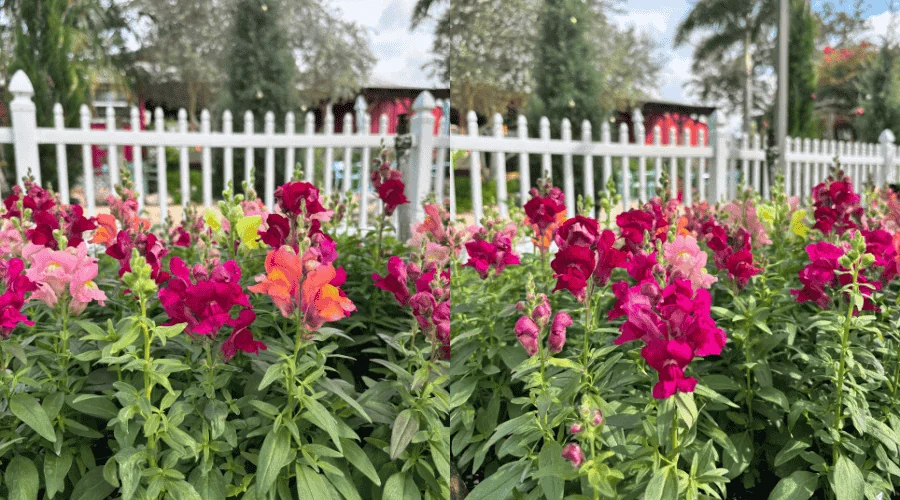
Snapdragons provide height and structure, making them useful in both bouquets and ceremony arrangements. They are also commonly grown in Florida during the cooler season, making them a good seasonal choice.
Stock (Matthiola incana)
Stock is often overlooked but is one of the best flowers for fragrance in wedding arrangements. The clustered blooms and soft pastel colors give bouquets a romantic, traditional feel, and the scent is noticeable without being overpowering.
Roses (Rosa spp.)
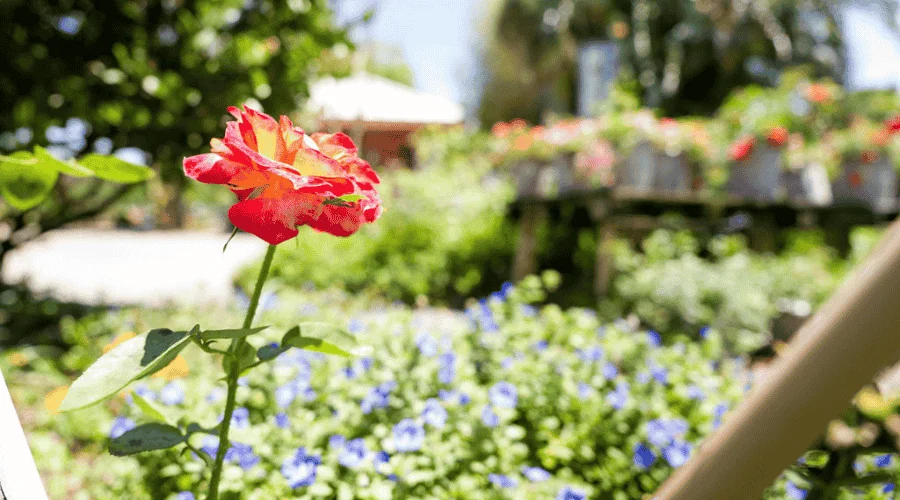
Roses remain a wedding favorite year-round. In February, they pair especially well with softer seasonal blooms and help anchor arrangements with familiar form and structure.
Florida Native Flowers for February Bouquets
Incorporating native flowers can give arrangements a distinctive, local character while supporting regional growers and ecosystems.
Coreopsis (Coreopsis leavenworthii and related species)
Florida’s state wildflower often begins blooming in late winter. Its cheerful yellow flowers add a light, airy quality to bouquets and work especially well in rustic or garden-style arrangements.
Blue-Eyed Grass (Sisyrinchium angustifolium)
Despite its name, blue-eyed grass is a member of the iris family. The small blue-violet blooms provide delicate color and are ideal as accent stems.
Scarlet Sage (Salvia coccinea)
This native salvia blooms for much of the year in Florida, including winter. Red is most common, but white and pink varieties are often available and are particularly suitable for wedding designs.
Lyreleaf Sage (Salvia lyrata)
Lyreleaf sage frequently blooms in late winter and early spring. Its soft purple flowers and attractive foliage provide texture and subtle color in mixed bouquets.
Native and Florida-Friendly Greenery
Foliage is often what gives bouquets their shape and softness. Some excellent options that hold up well in Florida conditions include:
- Wax myrtle (Morella cerifera)
- Yaupon holly (Ilex vomitoria)
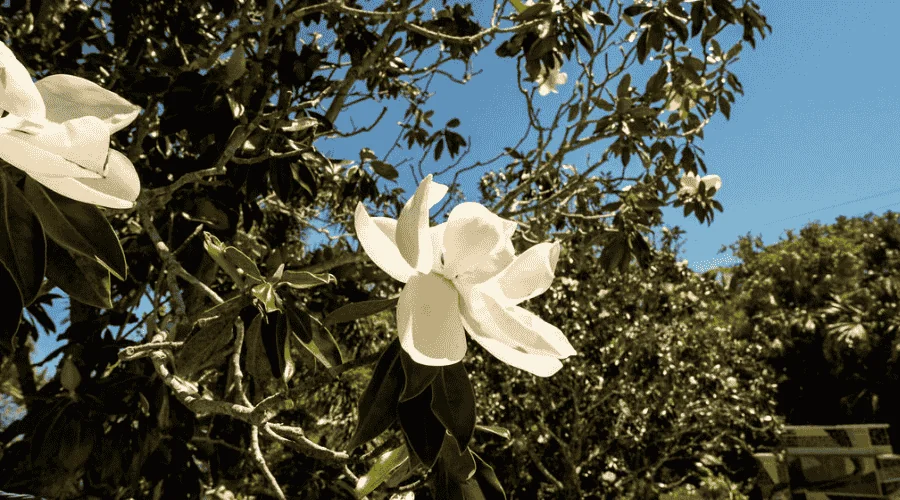
- Magnolia foliage (Magnolia grandiflora)
- Leatherleaf fern (Rumohra adiantiformis), commonly used by florists
These greens provide durability and structure, especially for outdoor ceremonies.
Color Palettes That Work Well in February
Late winter weddings often feature:
- Cream, ivory, and blush
- Lavender and pale blue
- Yellow and white
- Burgundy paired with greenery
These tones complement the soft quality of February light and work well in both indoor and outdoor settings.
Tips for February Wedding Bouquets in Central Florida
- Keep bouquets cool and hydrated as long as possible before the ceremony.
- Choose sturdy blooms if photos will be outdoors.
- Looser, garden-style arrangements often suit seasonal and native flowers best.
- If working with a florist, ask which flowers are locally grown in winter. Availability is often better than many people expect.
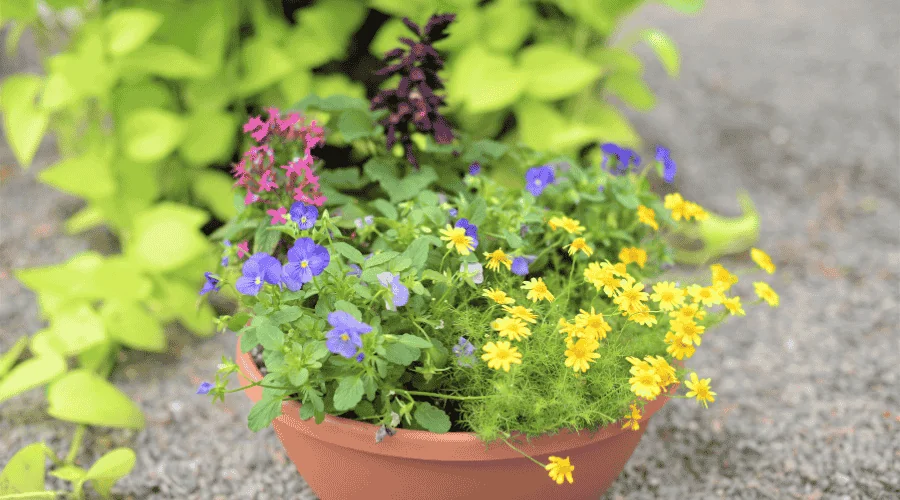
February weddings in Florida offer something special: flowers that reflect both the season and the landscape. Combining traditional flowers, florist favorites like ranunculus and stock, and Florida natives such as coreopsis or salvias can create bouquets that feel both timeless and distinctly local.