Learning to Love Your Natives (and Weeds!)
By Amanda Rose Newton
After a freeze, many landscapes look… simplified. Tender ornamentals melt away, tropicals collapse, and suddenly what remains are the tough survivors. Often those survivors are native plants and what we usually call weeds. Instead of seeing this as a setback, it can be an opportunity to rethink what a beautiful Central Florida landscape can look like.
Many of the plants that come through freezes with little damage are well adapted to our climate. They handle swings in temperature, drought, sandy soil, and inconsistent care. With a little shaping and intention, these plants can become the backbone of a low-input, resilient landscape.
First, What Is a Weed?
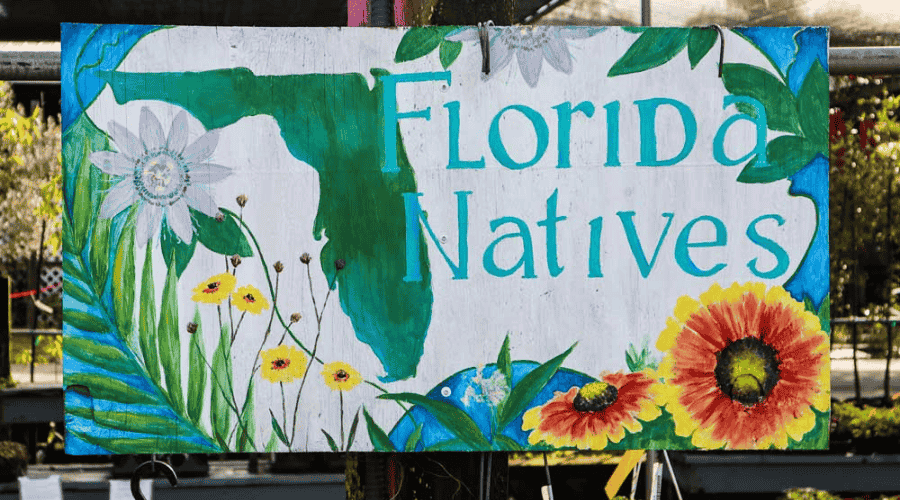
A weed is simply a plant growing where someone does not want it. That is all. A rose in a vegetable bed is a weed. A volunteer tomato in a walkway is a weed. A native wildflower in a manicured turf lawn is also considered a weed.
This means some “weeds” are actually:
- Native plants
- Pollinator plants
- Edible plants
- Soil stabilizers
- Early successional species that improve soil
After a freeze, these are often the plants that are still green and thriving.
Natives That Can Be Manicured into Beautiful Landscapes
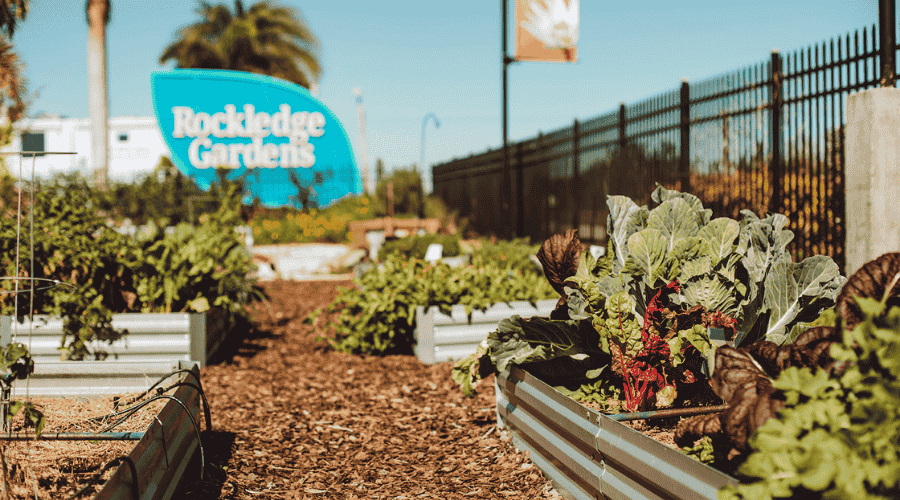
Many native plants look wild when left alone but become very attractive when shaped, grouped, or repeated.
Simpson’s Stopper (Myrcianthes fragrans)
Great for:
- Hedges
- Screens
- Small trees
- Formal pruning
Benefits:
- Evergreen
- Freeze tolerant
- White flowers
- Orange berries for wildlife
- Takes shaping well
This is one of the best native hedge plants available.
Cocoplum (Chrysobalanus icaco)
Great for:
- Dense hedge
- Coastal or inland
- Formal or informal screens
Benefits:
- Evergreen
- Very tough
- Handles pruning
- Edible fruit
- Excellent for privacy
Wax Myrtle (Morella cerifera)
Great for:
- Informal hedge
- Privacy screen
- Windbreak
Benefits:
- Fast growing
- Native evergreen
- Can be pruned into small tree
- Very freeze tolerant
This one responds well to selective pruning.
Beautyberry (Callicarpa americana)
Great for:
- Informal shrub border
- Naturalistic planting
- Wildlife garden
Benefits:
- Purple berries in fall
- Pollinator flowers
- Cut back annually for best shape
- Freeze tolerant
This one benefits from pruning each year.
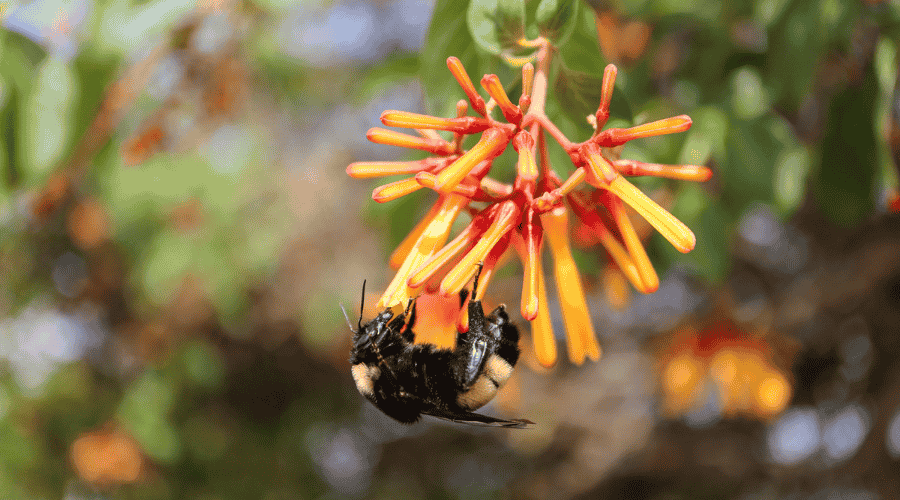
Firebush (Hamelia patens, native form)
Great for:
- Pollinator bed
- Accent shrub
- Informal hedge
Benefits:
- Hummingbird favorite
- Butterfly Heaven
- Handles dieback and regrowth
- Responds well to shaping
Even if frozen, it rebounds quickly.
Natives for Groundcover or Edges
These are great replacements where turf struggled.
Sunshine Mimosa (Mimosa strigillosa)
- Low growing
- Pink puff flowers
- Nitrogen fixer
- Can be mowed lightly
Frogfruit (Phyla nodiflora)
- Excellent lawn alternative
- Pollinator plant
- Handles foot traffic
- Freeze tolerant
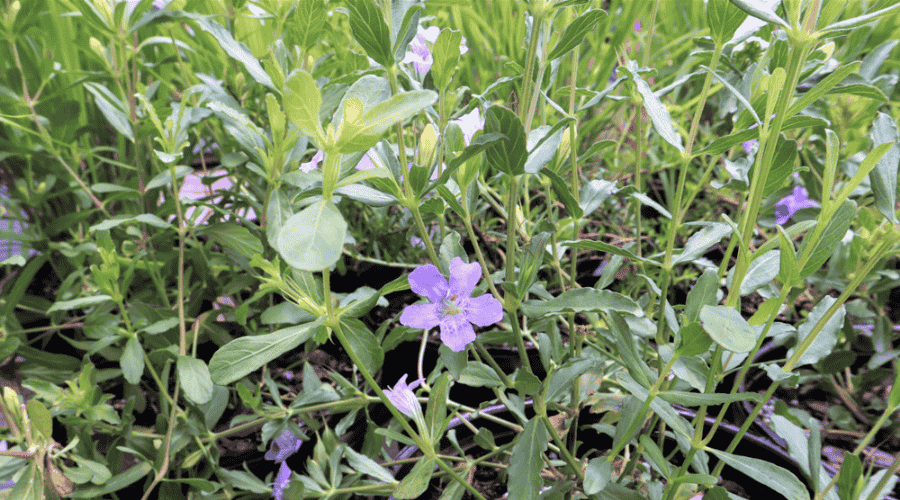
Twinflower (Dyschoriste oblongifolia)
- Native groundcover
- Purple flowers
- Spreads slowly
- Very tidy
Beneficial “Weeds” Worth Keeping
Some common post-freeze survivors are actually helpful.
Spanish Needle (Bidens alba)
Often pulled immediately, but consider:
- Excellent pollinator plant
- Blooms most of the year
- Edible young leaves
- Can be cut back to control height
Letting a few remain can support beneficial insects.
Florida Betony (Stachys floridana)
Often called rattlesnake weed.
Benefits:
- Native mint family plant
- Edible tubers
- Pollinator flowers
- Easy to pull if too many
This one is actually a native edible.
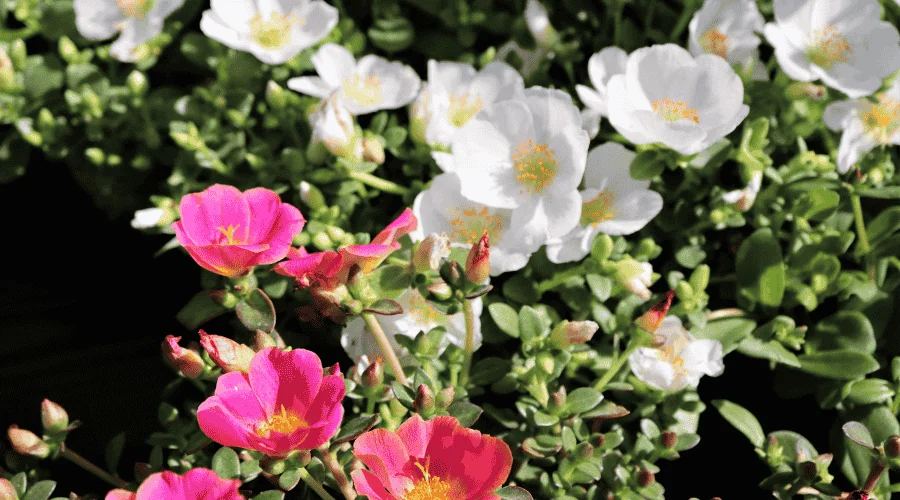
Purslane (Portulaca oleracea)
Common in sandy soil.
Benefits:
- Edible leaves
- High in omega-3 fatty acids
- Drought tolerant
- Low growing
Can be used as a living mulch.
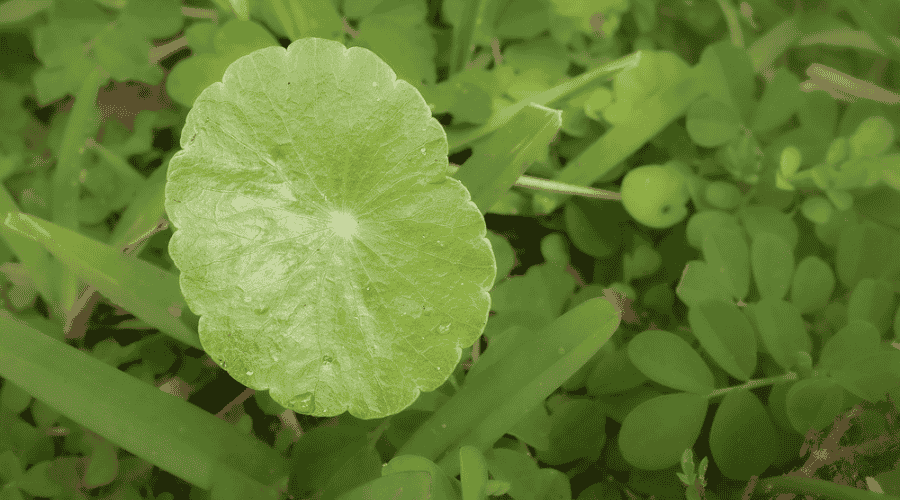
Dollarweed (Hydrocotyle spp.)
Often disliked in lawns.
Benefits:
- Native species present
- Indicates moisture
- Attractive in natural beds
- Soft groundcover
Better in beds than turf.
Wood Sorrel (Oxalis spp.)
Often mistaken for clover.
Benefits:
- Edible leaves
- Attractive texture
- Low growing
- Pollinator support
Best used sparingly.
Edible Volunteers Worth Noticing
You may see:
- Wild lettuce
- Amaranth
- Chickweed
- Bidens
- Purslane
Many of these are edible and nutritious. Identification is important before consuming!
Using Natives in More Structured Ways
Natives are not only for wild gardens. They can be used formally.
Try:
- Cocoplum hedge
- Simpson’s stopper screen
- Wax myrtle windbreak
- Beautyberry grouped border
- Frogfruit lawn alternative
Repeating plants creates a designed look, even with native species.
Natives Are Not Set-It-and-Forget-It
This is important! Native does not always equate to zero maintenance.
They still need:
- Occasional pruning
- Spacing management
- Removal of unwanted volunteers
- Irrigation during establishment
- Mulch in some cases
However, they often need:
- Less fertilizer
- Less irrigation
- Less pest management
- Less replacement
A Post-Freeze Opportunity
After freezes, landscapes often reset. This is a great time to:
- Observe what survived
- Identify strong performers
- Reduce tender plants
- Add resilient natives
- Allow some beneficial volunteers
Instead of starting from scratch, you can build around the survivors. The goal is not to let everything grow. The goal is to choose with intention.
A weed becomes a plant when you decide it belongs.
And after a freeze, you may discover some of the toughest and most beautiful plants were already in your yard.