By Amanda Rose Newton
Few plants say “Florida garden” like hibiscus. Big, bold blooms, fast growth, and nonstop color make them a staple in Central Florida landscapes. But hibiscus are more diverse than many realize. There are tropical types, hardy types, shrub forms, tree forms, and even giant dinner-plate flowers. Understanding the differences helps you use them more effectively in the landscape.
Hibiscus History: Where Do They Come From?
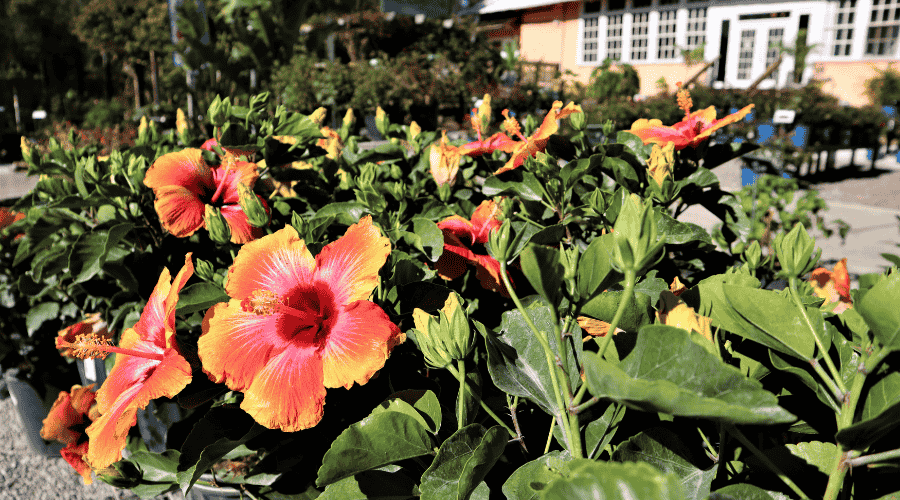
Most of the familiar tropical hibiscus grown in Florida belong to Hibiscus rosa-sinensis, which originated in Asia and the Pacific Islands. These plants spread through trade into tropical regions worldwide and eventually became landscape staples in Florida due to the warm climate.
Hibiscus have long been associated with tropical symbolism. In Hawaii, they represent hospitality and welcome. In Victorian flower language, hibiscus symbolized delicate or fleeting beauty because each flower lasts only a single day. Red hibiscus often symbolize love and passion, while yellow forms are associated with friendship and happiness.
Florida, especially South Florida, became a major hub for hibiscus breeding. Many of the unusual colors and patterns seen today were developed by collectors and hybridizers growing them in warm coastal climates.
Hibiscus Relatives (and the baggage they bring)
Hibiscus belong to the mallow family, Malvaceae. This is the same plant family as:
- cotton (Gossypium spp.)
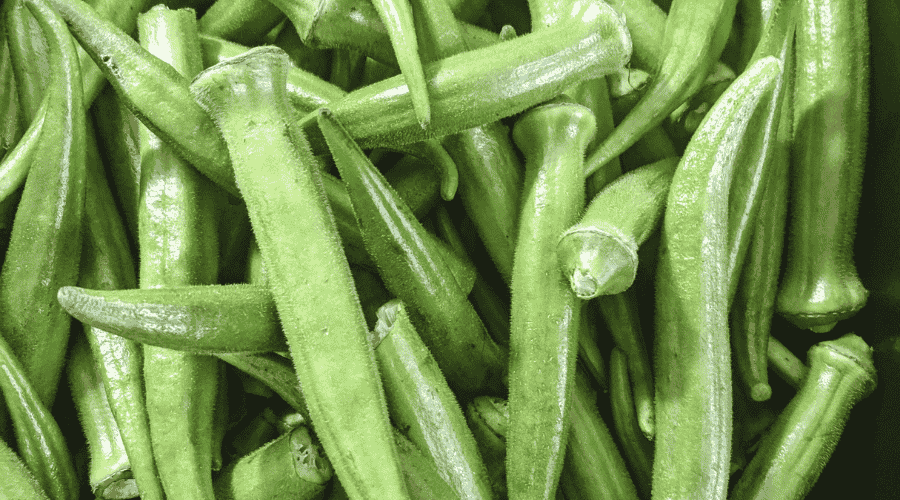
- okra (Abelmoschus esculentus)
- rose of Sharon (Hibiscus syriacus)
- hollyhock (Alcea spp.)
- Turk’s cap (Malvaviscus arboreus var. drummondii)
Because they are closely related, they tend to attract similar pests, including:
- aphids
- whiteflies
- mealybugs
- spider mites
- cotton stainers
- caterpillars
Cotton stainers are especially common in Florida. These bright red insects often cluster on buds and seed pods. They rarely kill plants but can reduce flowering.
Main Ornamental Hibiscus for Central Florida
Tropical Hibiscus — Hibiscus rosa-sinensis
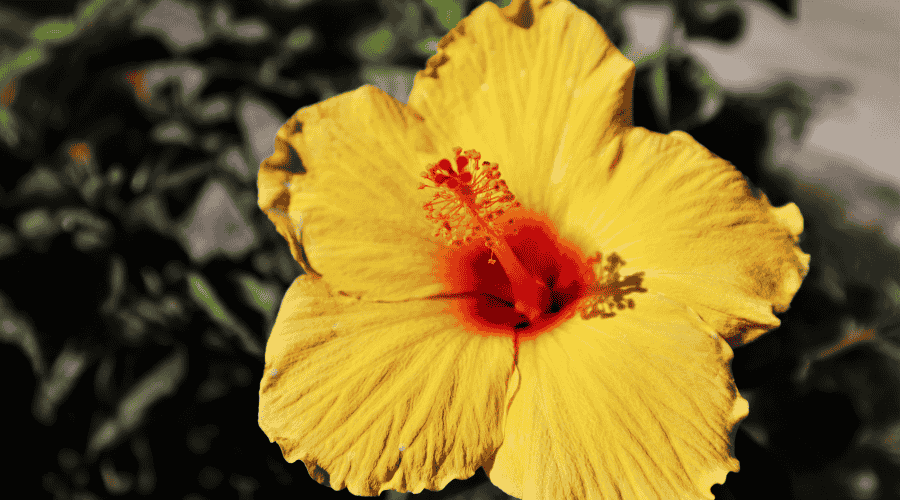
These are the classic Florida hibiscus:
- large colorful flowers
- bloom most of the year
- evergreen in mild winters
- shrub or tree form
- huge range of colors
These are the most common landscape hibiscus in Central Florida.
Hardy Hibiscus (Rose Mallow Types)
These perennial hibiscus:
- die back in winter
- return in late spring
- bloom in summer
- produce very large flowers
- tolerate wetter soils
Many of these are native species or hybrids of native species.
Native Florida Hibiscus (Great for Native Plant Landscapes)
Florida has several ornamental native hibiscus that work well in landscapes, especially in moist areas.
Scarlet Hibiscus — Hibiscus coccineus
- bright red star-shaped flowers
- tall upright growth (4–8 ft)
- deeply divided foliage
- excellent pollinator plant
- prefers moist soils
One of the most ornamental native hibiscus. To the untrained eye, the leaves resemble cannabis sativa, so plant mindfully.
Swamp Rose Mallow — Hibiscus grandiflorus
- large pale pink flowers
- soft silvery foliage
- coastal and wetland native
- grows large (6–10 ft)
- very showy
Best in moist or naturalistic settings.
Halberdleaf Hibiscus — Hibiscus laevis
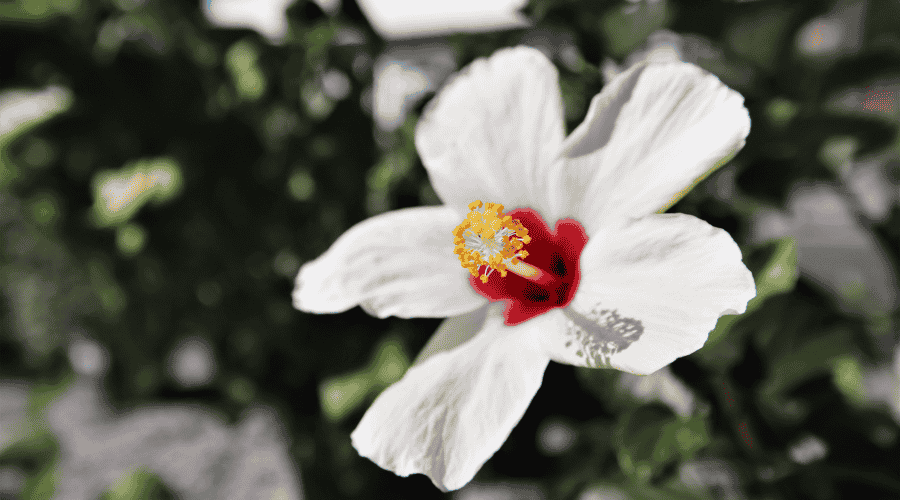
- pale pink flowers with red center
- smooth leaves shaped like a halberd
- tall upright growth
- adaptable to garden settings
Less common at the garden center/nursery but excellent for native plant gardens.
Comfortroot / Pineland Hibiscus — Hibiscus aculeatus
- yellow flowers with dark center
- more drought tolerant than others
- native to pine flatwoods
- informal natural look
Works well in native plantings and pollinator gardens.
Hibiscus Growth Forms
Shrub Form
Most tropical hibiscus naturally grow as dense shrubs:
- 6–10 feet tall
- full and rounded
- good for hedges
- colorful backdrop
Tree Form (Standard)
These are pruned into a single trunk:
- formal appearance
- great for containers
- ideal entryway plant
- adds height without width
Large Specimen Shrub
When hibiscus are allowed to grow naturally:
- they are taller and more open
- are excellent focal point plants
- are great for tropical layering
Ways to Use Hibiscus in the Landscape
- Flowering hedge
- Specimen plant
- Container accent
- Tropical mixed border
- Poolside planting
- Pollinator garden (especially natives)
Hibiscus combine well with:
- croton
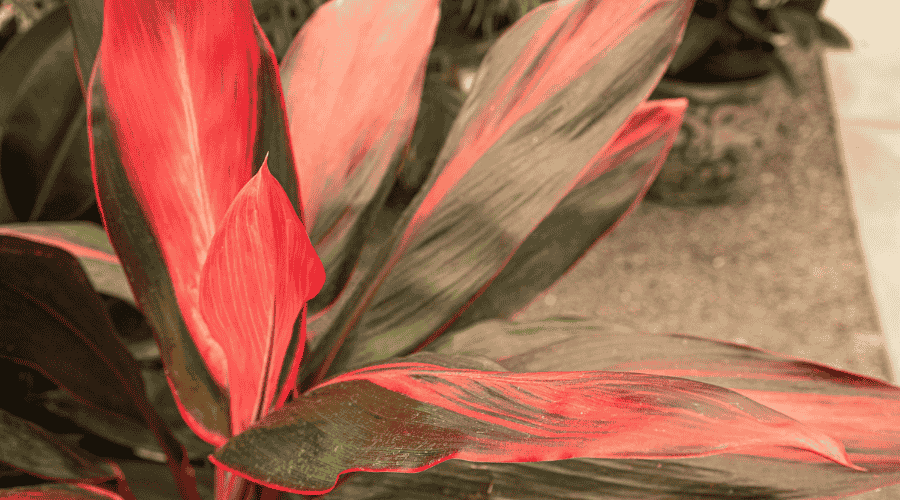
- cordyline
- ixora
- palms
- firebush
- native grasses
When Do Hibiscus Bloom in Central Florida?
Tropical hibiscus:
- bloom most of the year
- peak spring through fall
- slow in winter
Hardy and native hibiscus:
- emerge late spring
- bloom summer
- die back in winter
Individual flowers last one day, but plants produce many buds.
Edible Hibiscus
Some hibiscus are also edible and combine ornamental value with culinary use.
Roselle — Hibiscus sabdariffa
- grown for red calyx (bottom of flower) used in teas and drinks
- tart flavor
- large seasonal shrub
- harvested fall in Florida
Used for:
- hibiscus tea
- jamaica drink
- jelly and syrup
Cranberry Hibiscus — Hibiscus acetosella
- edible tart leaves
- deep burgundy foliage
- ornamental and edible
- fast growing in Florida
Often used in:
- salads
- garnish
- herbal drinks
Okra (Hibiscus Relative) — Abelmoschus esculentus
- edible pods
- hibiscus-like flowers
- warm-season vegetable
- easy to grow in Florida
Unique Hibiscus Colorations, Patterns, and Blooms
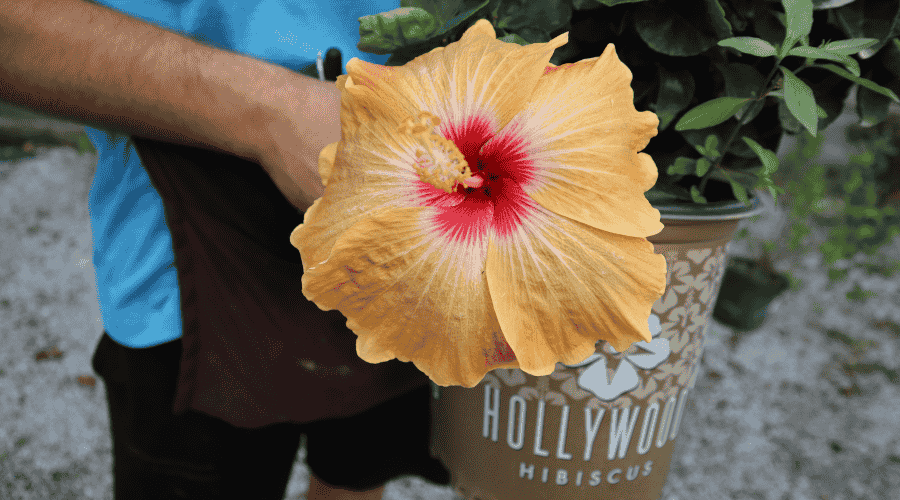
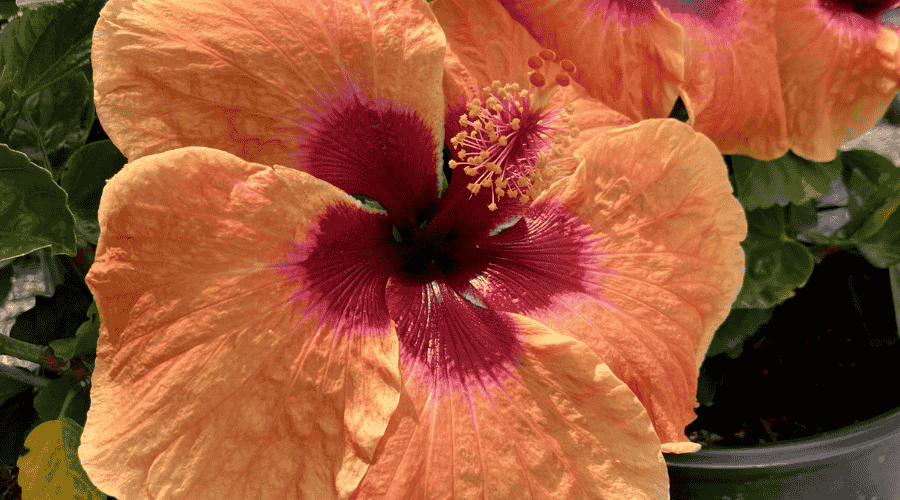
If you are after something different, the Modern hibiscus-sinensis come in a huge range, including:
- red
- pink
- yellow
- orange
- peach
- white
- lavender
- bi-color
- speckled
- double blooms
Many even have contrasting centers or ruffled petals. With many garden centers and nurseries showing off their inventory online, it is easy to see the full range available to you and select exactly what you want.
Care Tips for Central Florida
Sun
Hibiscus prefers full sun for best flowering results but will tolerate part sun. Just expect fewer blooms.
Water
Water needs are moderate, with the importance falling on ensuring that it is not allowed to completely dry out. Containers, especially those darker in color, will need more frequent watering.
Soil
Well-drained soil preferred, which stands for both containers and in-ground plantings.
Amend sandy soils with organic matter when possible.
Fertilizer
Big blooming plants are heavy feeders!
Fertilize:
- early spring
- mid summer
- early fall
Low blooms usually indicate low nutrients. The nutrients most involved with “bloomage” are phosphorus first and foremost with potassium coming in second. Look for a quality blooming fertilizer, especially when fertilizing a pot-grown hibiscus.
Pruning
Prune late winter or early spring as this will encourage branching and more flowering. It is also a great way to remove cold damage. If possible, avoid heavy fall pruning as hibiscus are tropical, and the exposure from pruning does not set them up well for winter.
Cold Protection
Tropical hibiscus may:
- drop leaves
- die back
- freeze in hard cold
Many regrow from the base here in Central Florida around March or April. The scratch test works well on hibiscus to test for cold damage, and pruning back late winter is also helpful for improving chances for fresh spring growth.
With options ranging from bold tropical bloomers to edible favorites and native selections, hibiscus offer something for nearly every garden and remain one of the most reliable ways to bring color, diversity, and a true Florida feel to the landscape.