By Amanda Rose Newton
Yellow leaves are one of the most common plant problems homeowners notice, but they are also one of the most misunderstood. Many people immediately reach for fertilizer or water, yet those solutions can sometimes make the problem worse.
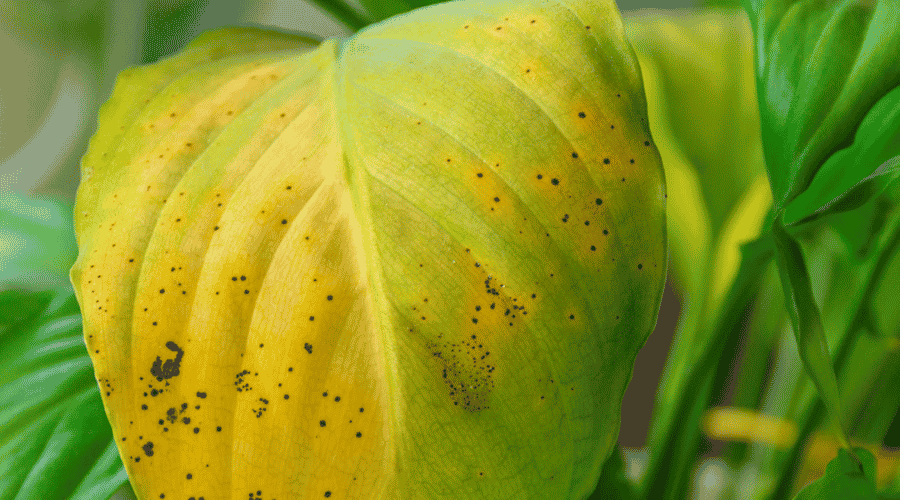
The truth is that yellow leaves, known as chlorosis, are simply a symptom of a potential plant problem. Learning to “read” yellow leaves can help you identify the real cause before taking action.
Whether it’s a hibiscus, gardenia, ixora, citrus tree, or even a favorite houseplant, the pattern of yellowing often provides important clues. Are the oldest leaves yellowing first? Are the veins still green? Is the soil staying wet? Answering these questions can often lead you to the correct diagnosis.
First, Don’t Panic
Plants naturally lose older leaves as they grow. If only a few older leaves near the bottom of the plant are turning yellow while the rest of the plant looks healthy and is producing new growth, this is usually normal.
However, if many leaves are yellowing or new growth is affected, it’s time to investigate potential causes.
Too Much Water: The Most Common Culprit
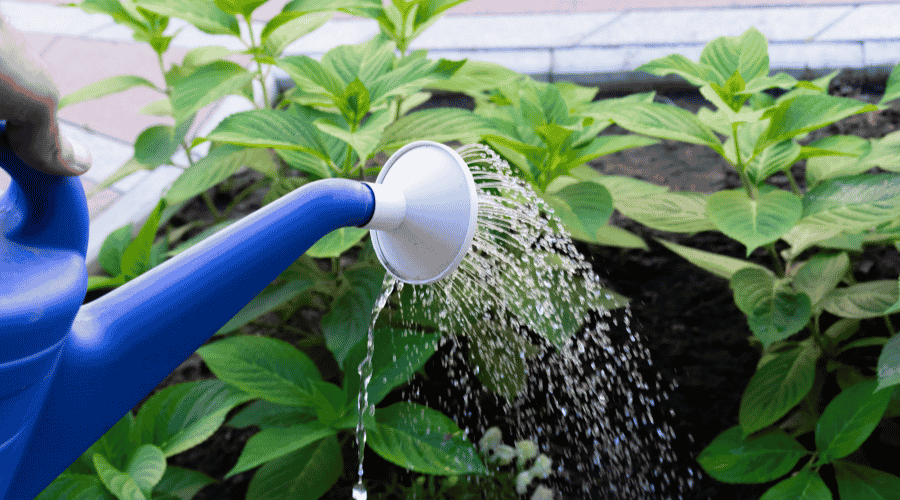
In Florida, overwatering is often a bigger problem than underwatering.
Roots need oxygen just as much as they need water. When soil stays constantly wet, roots begin to decline and can no longer absorb water and nutrients efficiently. Ironically, an overwatered plant may look wilted because the damaged roots cannot function properly, which causes a bent look.
Signs of overwatering include:
- Yellow leaves throughout the plant
- Wilting despite moist soil
- Soft stems
- Slow growth
- Leaf drop
To check, do the classic finger test! Before watering, stick your finger several inches into the soil. If it’s still moist, your plant probably doesn’t need additional water.
Nutrient Deficiencies
Yellow leaves can also indicate a nutrient deficiency, but the pattern matters.
Nitrogen Deficiency
Nitrogen is mobile within the plant, so older leaves turn yellow first while new growth remains green.
Common on:
- Hibiscus
- Citrus
- Vegetables
Iron Deficiency
Iron deficiency looks very different.
The newest leaves become yellow while the veins stay green, a condition known as interveinal chlorosis.
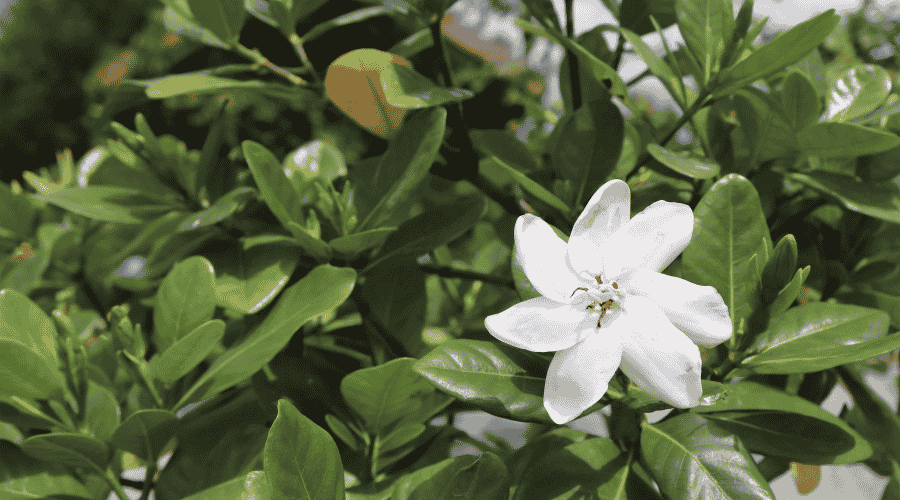
Gardenias are especially prone to iron deficiency, particularly when planted in alkaline soils or irrigated with high-pH water.
Magnesium Deficiency
Older leaves develop yellowing between the veins while the center vein often remains green.
This is commonly seen in:
- Citrus
- Palms
- Gardenias
- Roses
What About Gardenias?
Gardenias are famous for developing yellow leaves.
The most common causes include:
- Soil that is too alkaline
- Poor drainage
- Iron deficiency
- Root stress from overwatering
Gardenias prefer slightly acidic soils. Applying fertilizer formulated for acid-loving plants and maintaining good drainage often improves their appearance.
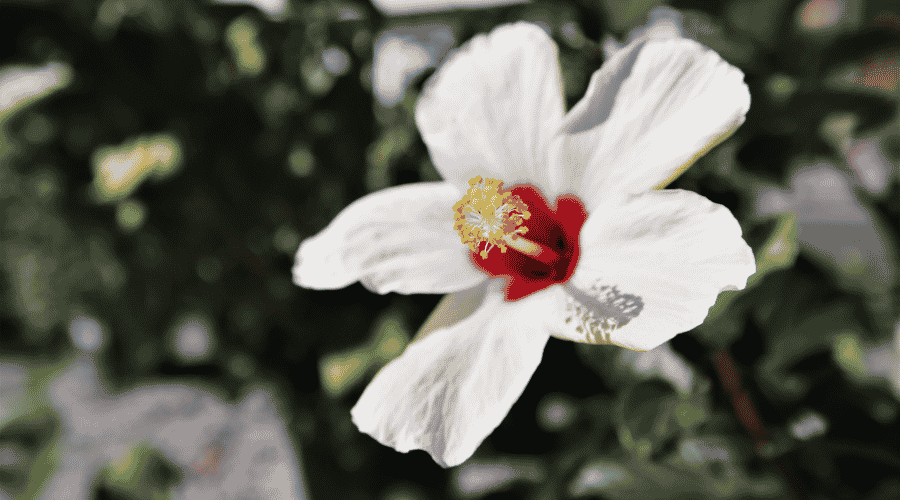
Hibiscus Yellow Leaves
Hibiscus can yellow for several reasons:
- Overwatering
- Underwatering
- Nitrogen deficiency
- Sudden weather changes
- Natural leaf replacement
Fortunately, hibiscus are resilient and often recover quickly once the underlying issue is corrected.
Other Florida Favorites That Frequently Yellow
Many landscape plants commonly grown in Central Florida may develop yellow leaves for similar reasons, including:
- Ixora
- Citrus
- Jasmine
- Crotons
- Plumbago
- Pentas
- Firebush
- Mandevilla
- Confederate jasmine
- Ti plants
The solution is not always fertilizer. Sometimes improving drainage or adjusting irrigation solves the problem.
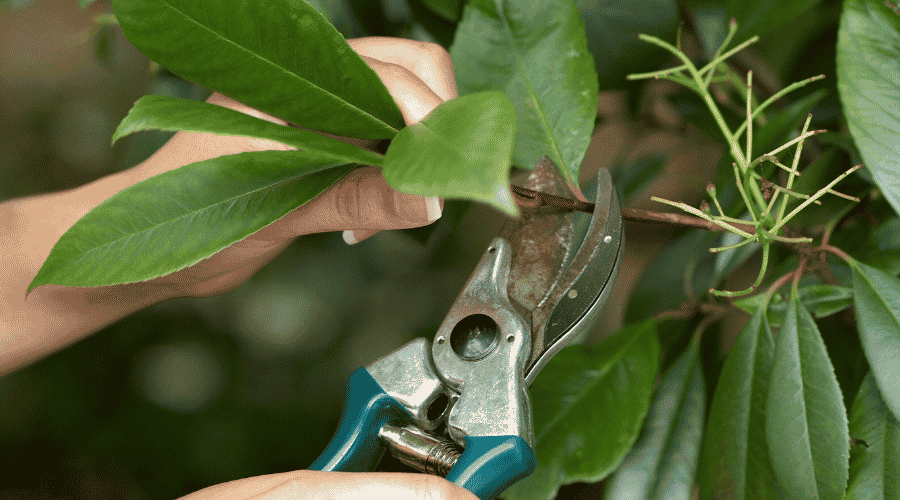
Should You Remove Yellow Leaves?
Usually, yes, but with a few exceptions.
Once a leaf has completely turned yellow, it will not become green again. Removing fully yellow leaves can improve the plant’s appearance and allows the plant to focus its energy on healthy new growth.
However, avoid removing leaves that are only partially yellow until you’ve identified and corrected the underlying problem. Those leaves may still be contributing to photosynthesis.
If large numbers of leaves are yellowing, resist the temptation to simply remove them all. Instead, determine why they are turning yellow in the first place.
Before Reaching For Fertilizer
Yellow leaves do not automatically mean your plant needs fertilizer.
Before adding nutrients, ask yourself:
- Is the soil staying too wet?
- Is the plant receiving enough sunlight?
- Has the weather changed recently?
- Is the yellowing occurring on old leaves or new leaves?
- Are the leaf veins staying green?
Answering these questions often points you toward the correct solution.
Yellow leaves are one of the easiest plant symptoms to notice, but one of the hardest to diagnose without considering the whole plant. Watering habits, drainage, nutrition, soil pH, weather, and even normal aging can all produce similar symptoms.
Rather than treating every yellow leaf the same way, take a closer look at which leaves are yellow, how they’re yellowing, and what has changed recently. A little detective work can often save a perfectly healthy plant and help you avoid fixing the wrong problem.