By Amanda Rose Newton
One of the best things about gardening in Florida is that there is always something to grow.
One of the most surprising things about gardening in Florida is that you can’t necessarily grow everything all year long. To put it another way, Florida gardening is year-round, but Florida planting is not seasonless.
For gardeners who are new to Florida, this can take some getting used to. In much of the country, gardening follows a familiar pattern: plant in spring, enjoy the garden through summer, clean things up in fall, and wait for spring to return. Florida doesn’t follow that schedule. Our mild winters give us a nearly year-round growing season, but our intense summer heat, humidity, heavy rains, and occasional winter cold create seasons of their own.
The trick to successful Florida gardening isn’t ignoring the seasons. It’s learning to garden with them.
Season 1: Late Winter and Spring
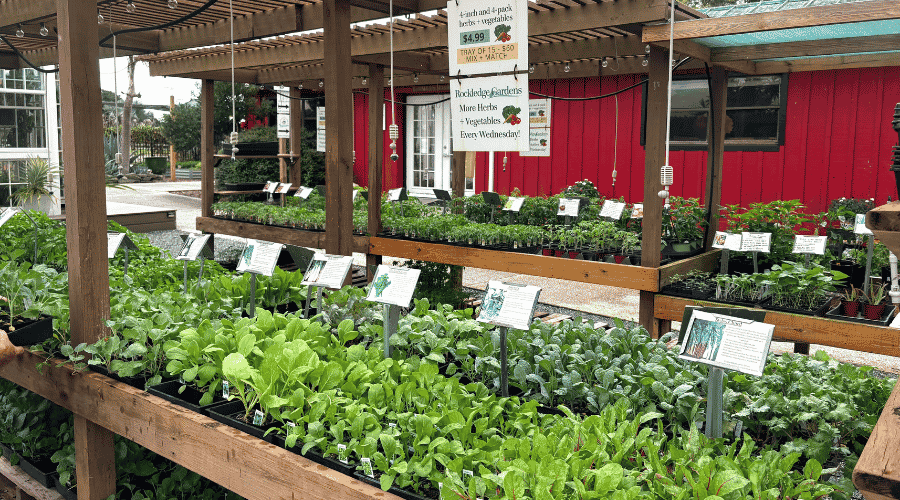
Late winter into spring is probably the season that feels most familiar to gardeners from other parts of the country. Days are getting longer, temperatures are warming, and garden centers are beginning to fill with plants.
This is an excellent time to refresh landscapes, add perennials, plant many shrubs, and transition from cool-season annuals and vegetables toward warm-season choices.
As temperatures rise, tomatoes, peppers, beans, herbs, and other warm-season edibles can take center stage. Warm-season annuals and tropical plants also begin to thrive.
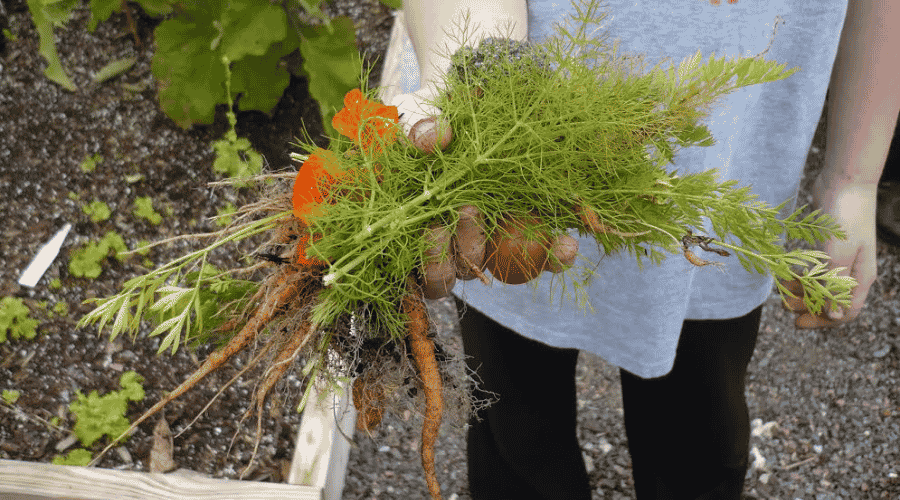
The important thing is not to wait too long. Florida’s pleasant spring weather doesn’t last forever. Plants that perform beautifully in March and April may be much less enthusiastic about July.
Spring garden checklist:
- Refresh garden beds and containers
- Plant warm-season vegetables at the appropriate time
- Transition seasonal color as temperatures rise
- Add shrubs and perennials before the most intense summer heat
- Check irrigation before the dry spring weather gives way to summer rains
Season 2: Summer
Then Florida summer arrives.
For gardeners who moved here from farther north, summer can be the biggest surprise. Summer may be the main vegetable-growing season elsewhere, but Florida’s combination of high temperatures, warm nights, humidity, and frequent rain can be tough on many familiar garden plants.
That doesn’t mean the garden has to shut down. It means it’s time for a different cast of characters.
Tropical plants are in their element. Heat-loving annuals and perennials can put on spectacular growth, and many established landscape plants grow rapidly during the rainy season. Some warm-season edible crops can also handle conditions that would overwhelm traditional cool-season vegetables.
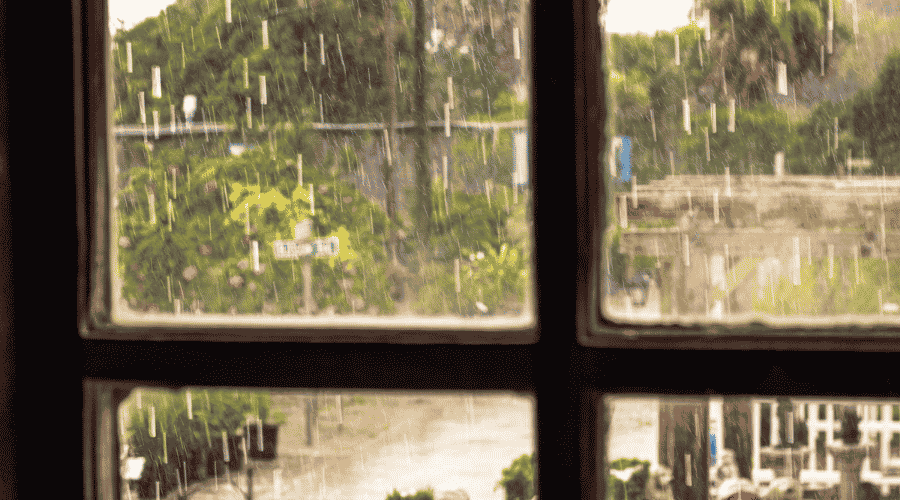
Summer is also a good time to pay attention to drainage. Florida’s afternoon downpours can turn a poorly drained planting site into a problem quickly. Heat, moisture, and rapid plant growth can also mean more weeds, insects, and disease pressure.
Instead of fighting Florida summer, choose plants that actually enjoy it.
Summer garden checklist:
- Choose plants that tolerate heat, humidity, and heavy rain
- Watch for drainage problems after storms
- Monitor plants for insects and disease
- Keep up with rapidly growing weeds
- Adjust irrigation when rainfall becomes frequent
- Don’t assume every vegetable labeled “full sun” will appreciate a Florida summer
Season 3: Fall, Florida’s Second Spring
If you’ve never gardened in Florida before, fall may become your favorite planting season.
As temperatures begin to moderate, plants experience less heat stress, but there is still plenty of warmth for root development. That makes fall a wonderful time to work on the landscape.
It also marks the return of many plants that struggled through summer. Cool-season vegetables and herbs can begin returning to the garden, and seasonal flowers change as nighttime temperatures drop.
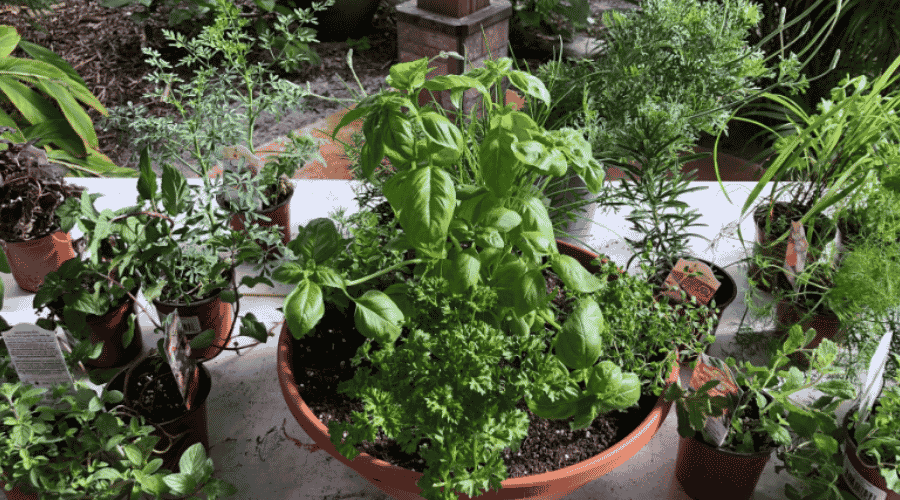
Think of fall as Florida’s second spring. Instead of preparing the garden to go dormant, we’re often getting ready to plant again.
Fall garden checklist:
- Add shrubs, perennials, and other landscape plants
- Start transitioning to cool-season vegetables and herbs
- Refresh containers and beds with seasonal color
- Take advantage of cooler temperatures for garden projects
- Continue monitoring rainfall and irrigation as the rainy season ends
Season 4: Winter
Winter gardening might be the biggest reward for living in Florida.
While much of the country is waiting for spring, Florida gardeners can be harvesting vegetables, growing herbs, filling containers with flowers, and enjoying the landscape.
Many cool-season crops prefer this time of year. Lettuce, leafy greens, broccoli and other cool-weather favorites are much happier with mild Florida winter temperatures than with our summer heat.
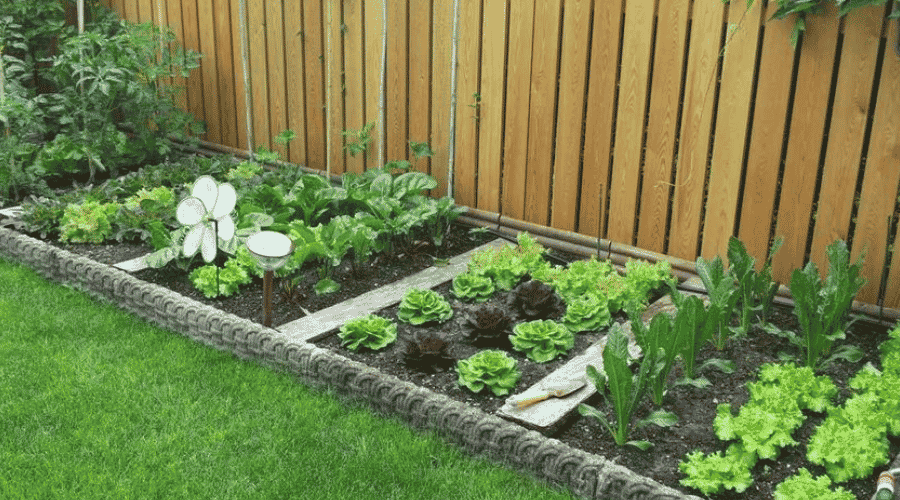
Cool-season annual flowers can also provide some of the best color of the year.
But Florida winter still requires a little strategy. Central Florida can experience cold snaps and occasional frost or freezing temperatures. Tropical plants that looked unstoppable in August can suddenly become the most vulnerable plants in the yard.
Keep an eye on the forecast and know which plants may need protection when temperatures drop.
Winter garden checklist:
- Grow cool-season vegetables and herbs
- Enjoy cool-season annual color
- Watch forecasts for cold fronts, frost, and freezes
- Know which tropical plants need protection
- Take advantage of cooler weather for pruning, cleanup, and garden projects when appropriate
So, Can You Really Garden Year-Round in Florida?
Absolutely.
You just can’t necessarily grow the same things year-round.
That’s the distinction that makes Florida gardening much easier to understand.
A tomato doesn’t care that the calendar says it’s technically the growing season if nighttime temperatures are too hot for it to perform well. Lettuce isn’t impressed that Florida is frost-free most of the winter if you try to grow it during the hottest part of summer. And a tropical plant that thrives through August may suddenly need protection when a January cold front arrives.
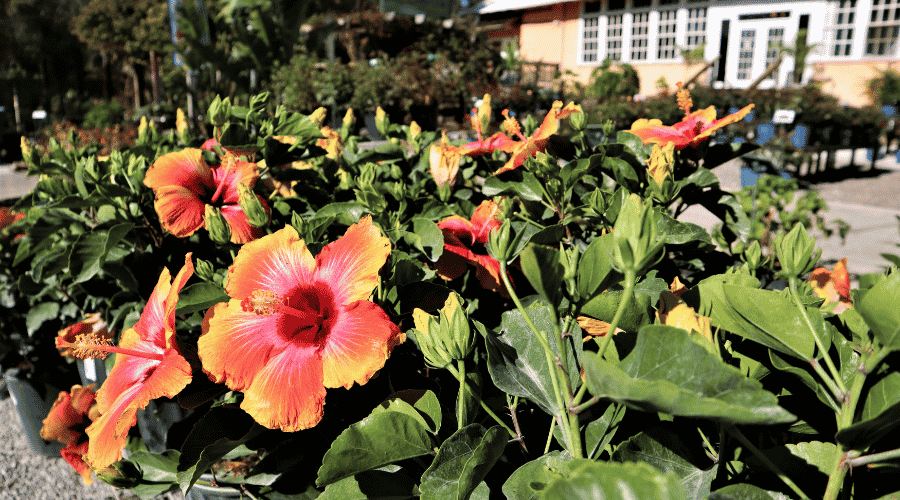
Successful Florida gardeners learn to rotate with the seasons rather than trying to overpower them.
There is almost always something you can plant, something you can harvest, something flowering, and something ready for its moment in the garden. The fun is learning which plants belong to which season.
If you’re not sure what belongs in the garden right now, stop by and ask us. We can help you choose plants that aren’t just beautiful, but are ready for the conditions Florida is giving us today.