By Amanda Rose Newton
January weddings in Florida come with a special kind of magic. Cooler temperatures, lower humidity, and clearer skies create ideal conditions for both outdoor ceremonies and lush floral designs. While much of the country is working with imported blooms and limited choices in winter, Florida offers an impressive selection of fresh, vibrant flowers that thrive this time of year.
In our Bouquet Blog Series, we’ll explore the best flowers for weddings each month, highlighting seasonal favorites, color trends, and Florida-friendly selections that create stunning bouquets and long-lasting arrangements. From winter whites to summer garden blooms, this series celebrates the beauty of choosing flowers that are perfectly in tune with your wedding date.
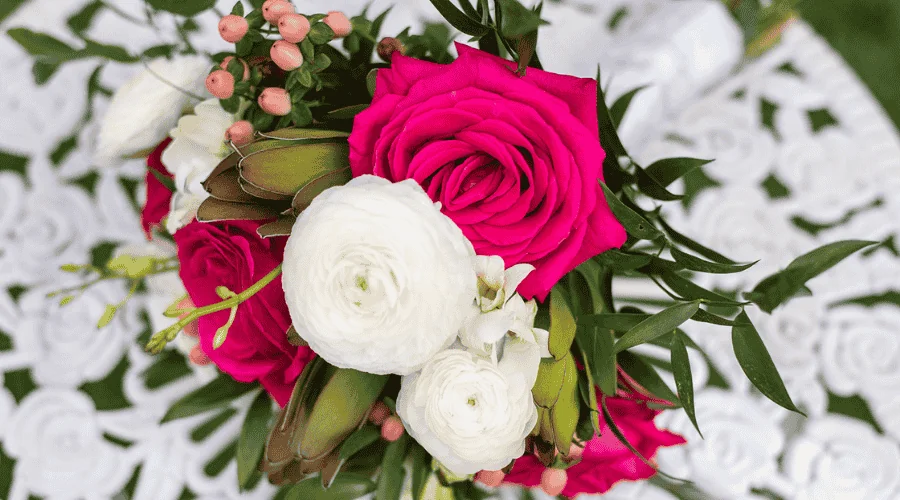
Why January Is a Great Month for Florida Weddings
January is part of Florida’s true “flower season.” Cooler nights and mild days allow many classic cut flowers to thrive, producing sturdy stems, better vase life, and more reliable bloom quality.
Benefits of January flowers in Florida:
- Wider availability of fresh, locally grown blooms
- Lower heat stress on delicate flowers
- Longer‑lasting bouquets and arrangements
- Better pricing compared to peak spring wedding months like May or June
Top Flowers for January Weddings in Florida
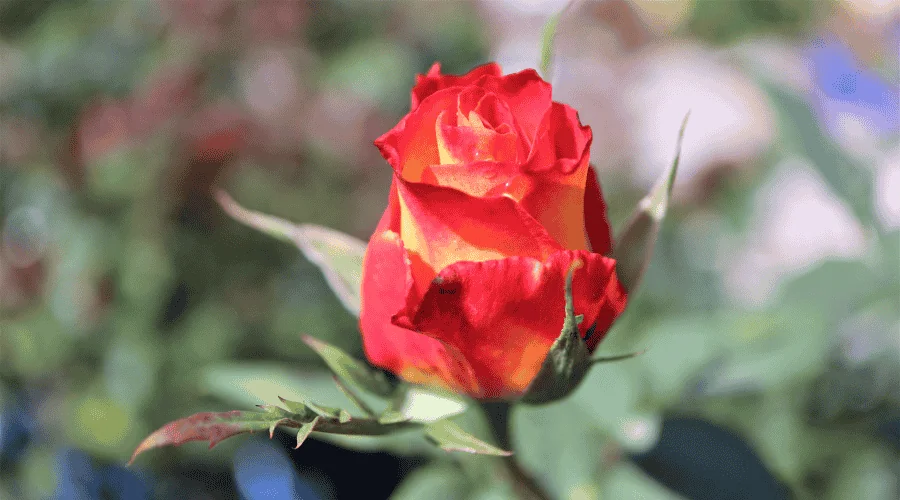
Roses
Roses remain a timeless wedding favorite, and January is an excellent month for high‑quality stems in Florida.
Why they work:
- Available in nearly every color
- Excellent vase life
- Hold up well in outdoor ceremonies
Popular uses:
- Bridal bouquets
- Ceremony arches
- Classic centerpieces
Best colors for January:
- Ivory and champagne
- Soft blush
- Deep red for formal or romantic themes
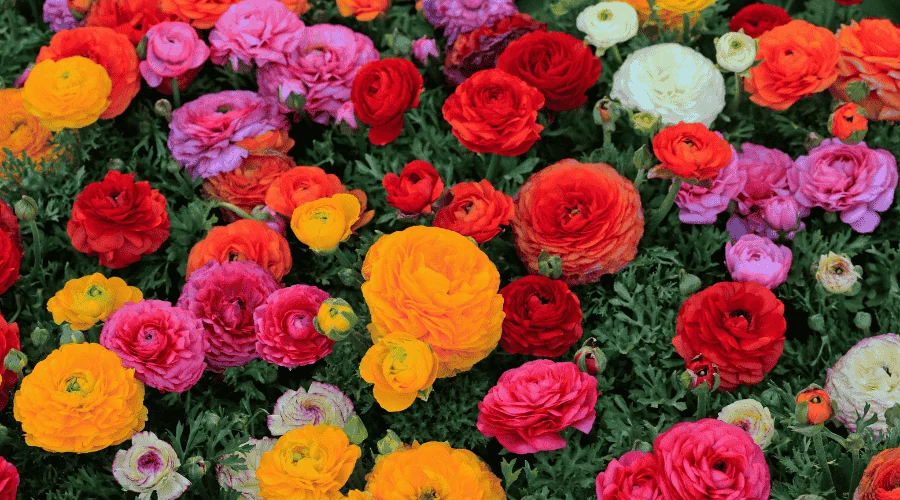
Ranunculus
Ranunculus are a winter and early spring favorite in Florida, prized for their layered, rose‑like petals.
Why they’re perfect for January:
- Peak season in winter
- Lightweight but visually full
- Excellent for romantic and garden‑style bouquets
Best pairings:
- Roses
- Anemones
- Wax flower
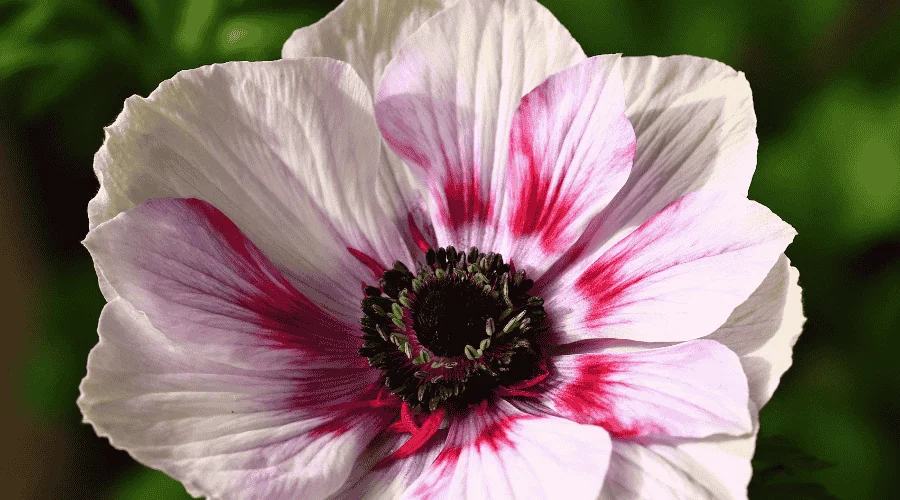
Anemones
With their dramatic dark centers and clean petals, anemones are a standout winter wedding flower.
Why florists love them:
- Strong visual contrast
- Excellent for modern or minimalist designs
- Naturally elegant
Common colors:
- White with black centers
- Deep burgundy
- Soft pink
Tulips
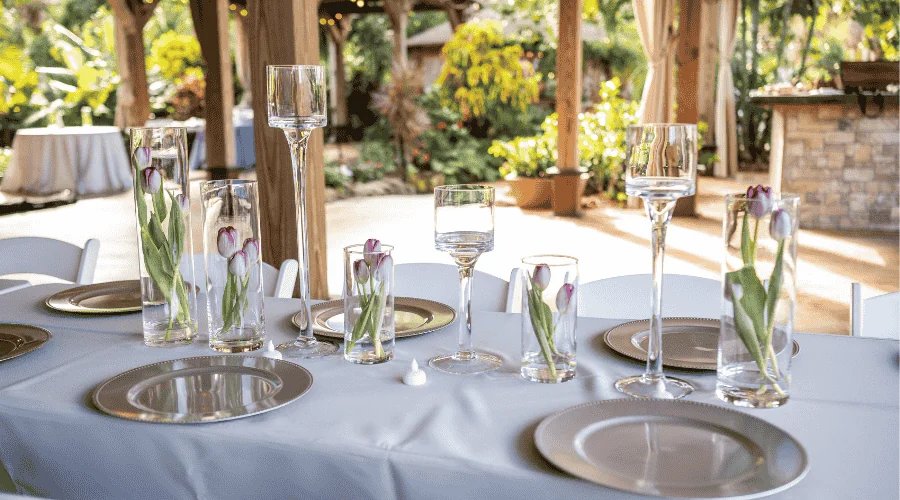
Tulips are at their best in winter, and January is prime season for crisp, fresh blooms.
Why Tulips are great for January weddings:
- Peak availability
- Clean, modern look
- Excellent for simple bouquets and statement arrangements
Garden Bug Pro tip: Tulips continue to grow after cutting, which adds a natural, organic movement to arrangements.
Lisianthus
Lisianthus offer a soft, rose‑like look with exceptional durability, making them ideal for Florida weddings.
Why they’re a great choice:
- Heat-tolerant compared to many delicate blooms
- Available in white, blush, lavender, and champagne
- Long‑lasting in bouquets
Stock
Stock (Matthiola incana) with its ruffled blooms, is a versatile choice for winter bouquets and arrangements.
- Cool‑season favorite
- Subtle clove‑like scent
- Adds height and fullness
- Available in a range of colors, including white, yellow, blush, lavender, mauve, and plum
Best uses:
- Bouquet accents
- Ceremony arrangements
- Floral arches
Sweet Peas
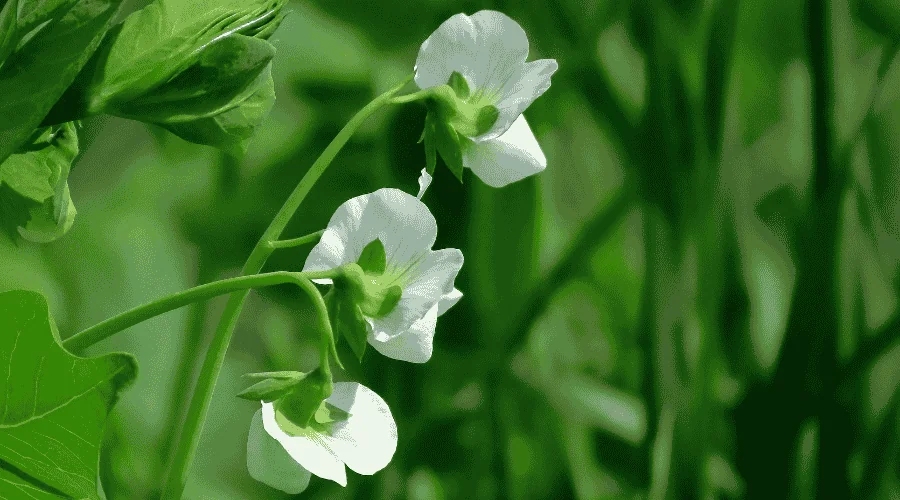
Sweet peas are delicate, romantic winter blooms that thrive in Florida’s mild January weather.
Why they’re loved:
- Soft pastel colors
- Light fragrance
- Perfect for vintage or garden themes
Word of Caution: Sweet peas are more delicate and best used for indoor ceremonies or shaded outdoor settings.
Florida‑Friendly Foliage for January Bouquets
Greenery is just as important as flowers, and Florida offers excellent winter foliage options.
Top January foliage choices:
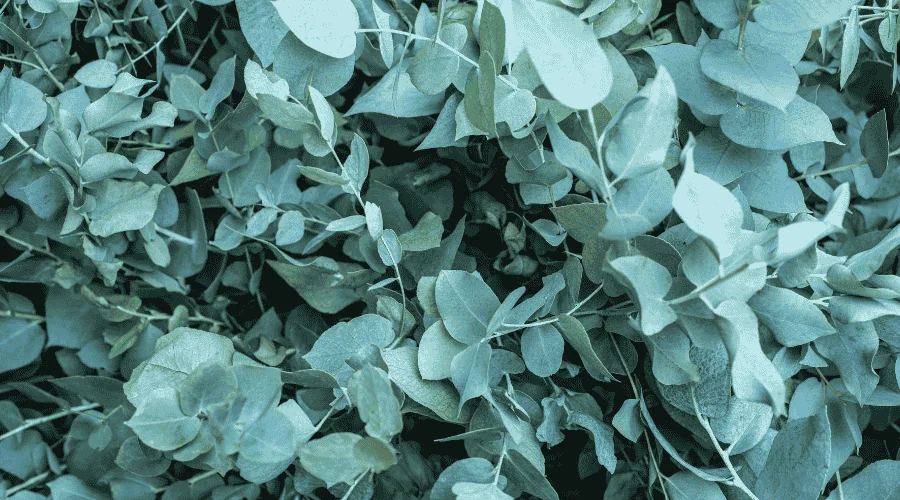
- Eucalyptus (silver dollar, seeded, or baby blue)
- Italian ruscus
- Pittosporum
- Dusty miller
These greens:
- Hold up well in cool weather
- Add movement and texture
- Pair beautifully with winter blooms
Florida Native & Florida‑Friendly Flowers for January Weddings
For couples looking to celebrate Florida’s natural beauty, incorporating native and Florida‑friendly plants into wedding florals adds a meaningful, sustainable touch. Many natives perform beautifully in winter and pair well with traditional cut flowers.
Coreopsis (Florida State Wildflower)
- Naturally blooms in winter and early spring in much of Florida
- Cheerful yellow tones brighten neutral palettes
- Excellent for rustic, garden, or outdoor ceremonies
Best uses:
- Wildflower‑style bouquets
- Accent blooms in centerpieces
- Flower crowns or boutonnieres
Beach Sunflower (Helianthus debilis)
- Blooms year‑round in warm regions
- Soft yellow petals with delicate centers
- Extremely hardy for coastal weddings
Best uses:
- Loose, organic bouquets
- Coastal or boho themes
- Ceremony aisle arrangements
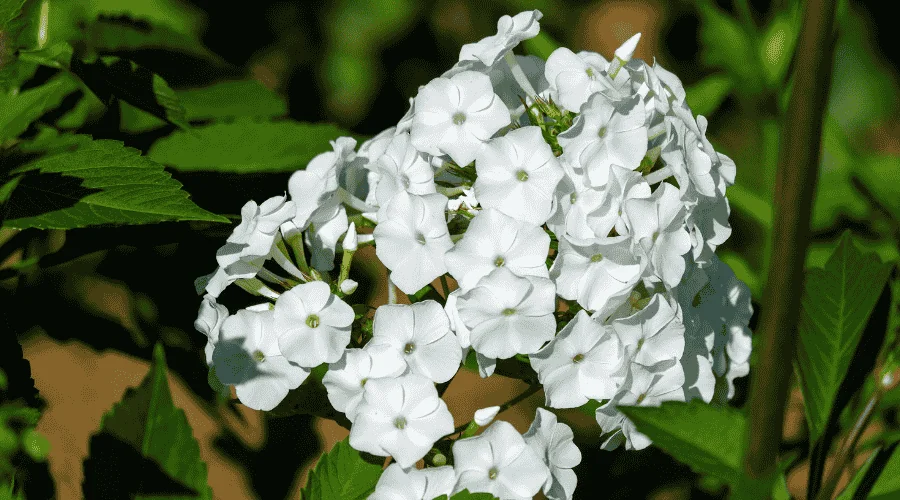
Phlox (Phlox drummondii)
- Cool‑season native annual
- Wide color range: pink, lavender, white, red
- Excellent filler flower
Garden Bug Protip: Phlox blends beautifully with ranunculus, lisianthus, and roses for a romantic, natural look.
Wax Myrtle (Morella cerifera) Foliage
- Classic Florida native greenery
- Subtle fragrance
- Excellent structure for winter bouquets
Best uses:
- Bouquet bases
- Ceremony greenery
- Garland accents
Yaupon Holly (female plants with berries)
- Native evergreen foliage
- Red berries add seasonal color
- Excellent for holiday‑adjacent January weddings
Best uses:
- Winter‑themed centerpieces
- Accent greenery in bouquets
- Table arrangements
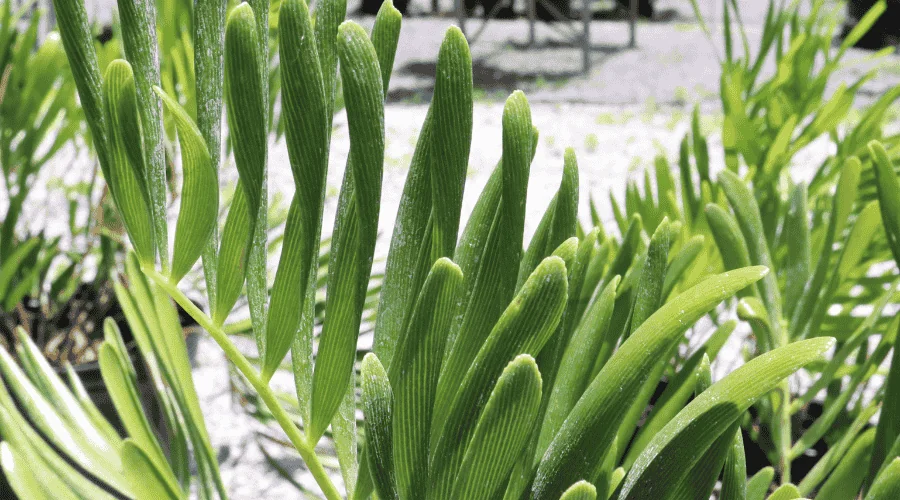
Coontie (Zamia integrifolia) Foliage
- Florida’s only native cycad
- Elegant, palm‑like texture
- Extremely long‑lasting greenery
Best uses:
- Tropical‑inspired designs
- Beach and garden weddings
- Statement foliage in large arrangements
Why Choose Florida Natives for Wedding Florals
Using native and Florida‑friendly plants offers several advantages:
- More resilient in local weather conditions
- Reduced shipping and environmental impact
- Unique, regional character
- Excellent performance in outdoor ceremonies
Many Florida growers now specialize in native cut flowers and foliage, making these options increasingly available for winter weddings.
Seasonal Color Palettes for January Weddings
January weddings lend themselves beautifully to soft neutrals and rich winter tones.
Popular January color themes:
Winter Whites & Creams
- White roses
- Ranunculus
- Lisianthus
- Silver eucalyptus
Soft Romance
- Blush roses
- Pale pink ranunculus
- Lavender lisianthus
- Dusty miller
Jewel Tones
- Burgundy anemones
- Deep red roses
- Stock flowers in deep purple / plum-colored varieties
- Dark greenery
Flowers to Use Cautiously in January
While Florida offers excellent winter blooms, a few flowers may be less reliable this time of year.
Use cautiously:
- Peonies: Beautiful, but they are usually imported and expensive
- Gardenias: While they do grow, the blooms are extremely cold-sensitive.
- Tropical orchids: If temperatures hit the 40s, they definitely should not be left outdoors on cooler evenings
Your florist can advise on availability and cold‑night protection for sensitive blooms.
Tips for January Wedding Flowers in Florida
Protect from Cool Nights
While January days are mild, nights can dip into the 40s or 50s. To best protect your floral investment:
- Avoid leaving bouquets outdoors overnight
- Transport flowers in insulated containers
Take Advantage of Local Growers
Many Florida flower farms peak in winter. This means you not only get to know farmers in your area, but you also get:
- Fresher blooms
- Better pricing
- More sustainable sourcing
Plan for Outdoor Conditions
January weather is ideal, but for best floral results:
- Avoid late‑evening ceremonies in cooler inland areas
- Choose hardy flowers for beach weddings (Wind!)
January is one of the most underrated months for weddings in Florida, especially when it comes to flowers! With ranunculus, anemones, tulips, roses, and lush greenery all in season, you have access to some of the freshest, most beautiful blooms of the year.
By choosing seasonally appropriate flowers and Florida‑friendly foliage, your January bouquet will be not only stunning on your wedding day, but long‑lasting in photos and memories for years to come.