What to Cover, What to Bring Inside, and How to Protect Plants in Central Florida
By Amanda Rose Newton
Winter in Central Florida looks very different from winter in most of the country. However, that doesn’t mean cold snaps can’t cause serious plant damage. A single cold night can undo months (or years) of growth if you’re not prepared.
Here’s a Central Florida–specific guide to what actually needs protection, what can stay outside, how to protect fruit trees (especially mangos), and how to design a landscape that doesn’t require winter-time stress every year.

Understanding Cold in Central Florida
Most winters are mild, but radiational freezes, sudden cold fronts, and extended cool periods do happen.
What Is a Radiational Freeze?
A radiational freeze occurs on clear, calm nights when heat stored in the ground escapes into the atmosphere. Without cloud cover or wind to trap warmth, temperatures near the ground can drop rapidly, hitting their coldest point just before sunrise.
Why this matters locally:
- Low spots freeze first
- Plants near walls, fences, or under tree canopies stay warmer
- One yard may freeze while your neighbor’s does not
- Covering plants before sunset helps trap ground heat
This explains why frost damage can feel unpredictable in Florida.
What to Cover (and When)
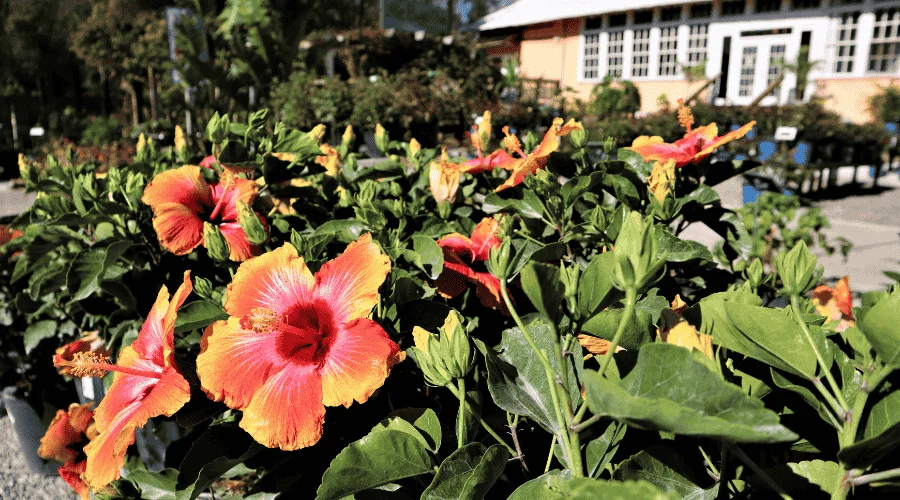
Plants That Benefit from Covering
Cover plants when temperatures are forecast to drop below 40°F, especially if they are:
- Tropical or subtropical
- Newly planted
- Actively growing, because that is when tender new growth is most vulnerable
Common Central Florida plants to cover:
- Hibiscus
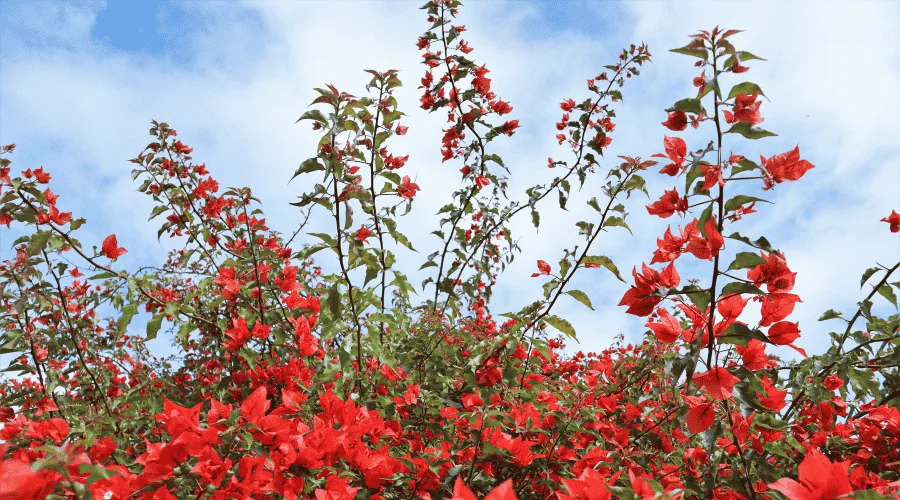
- Bougainvillea
- Crotons
- Ixora
- Ti plants
- Orchids grown outdoors
- Young vegetable seedlings
How to Cover Correctly
- Use frost cloth, sheets, or even lightweight blankets
- Cover plants before sunset
- Ensure the cover reaches the ground
- Remove covers the next morning once temperatures rise
Avoid plastic touching leaves as it can actually cause freeze burn!
What to Bring Inside
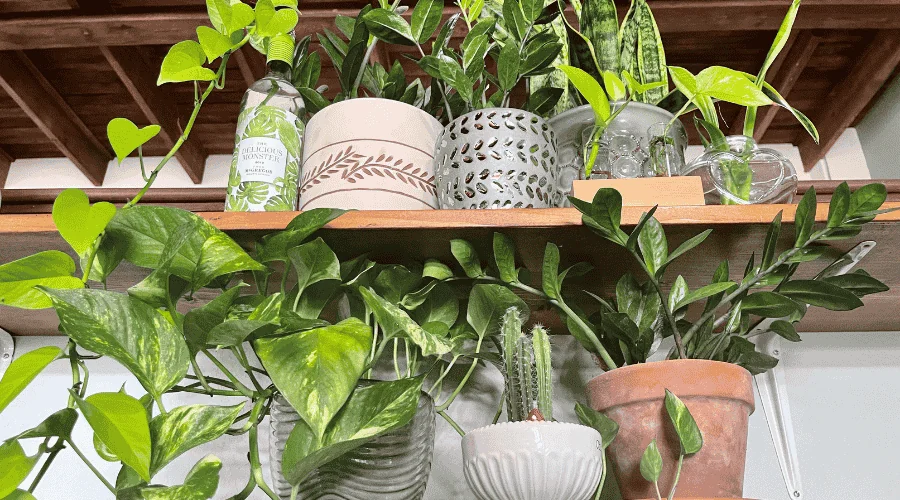
Houseplants & Container Plants
Plants in pots are more vulnerable because roots are exposed to the elements. They are going to hit that cold air first!
Bring inside:
- Houseplants that spend summer outdoors
- Tropical container plants
- Small palms
- Many succulents and cacti
If space is limited:
- Group pots near a protected wall
- Move them under an overhang or into a garage overnight
Fruit Trees: What Needs Extra Attention?
Cold-Hardy vs Cold-Sensitive Fruit
Many fruit trees grown in Central Florida tolerate brief cold, but young trees need protection.
More cold-tolerant (once established):
- Citrus
- Loquat
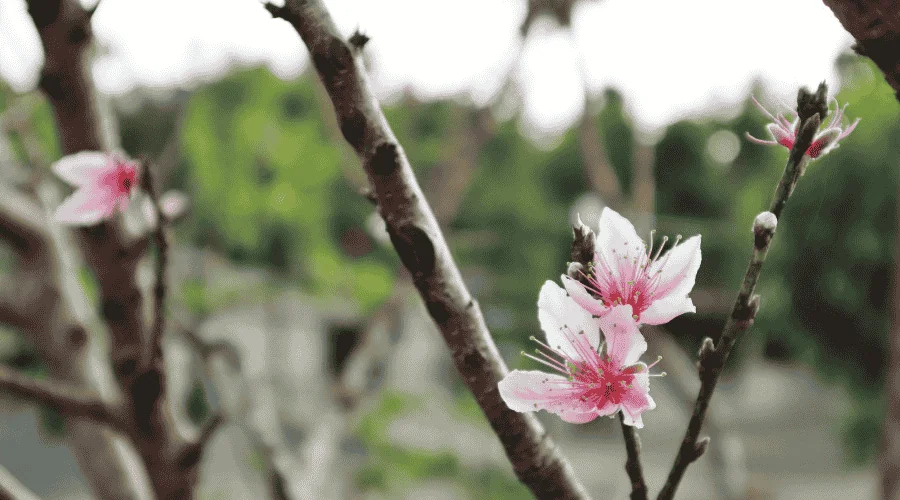
- Peach
- Fig
- Mulberry
More cold-sensitive:
- Banana
- Papaya
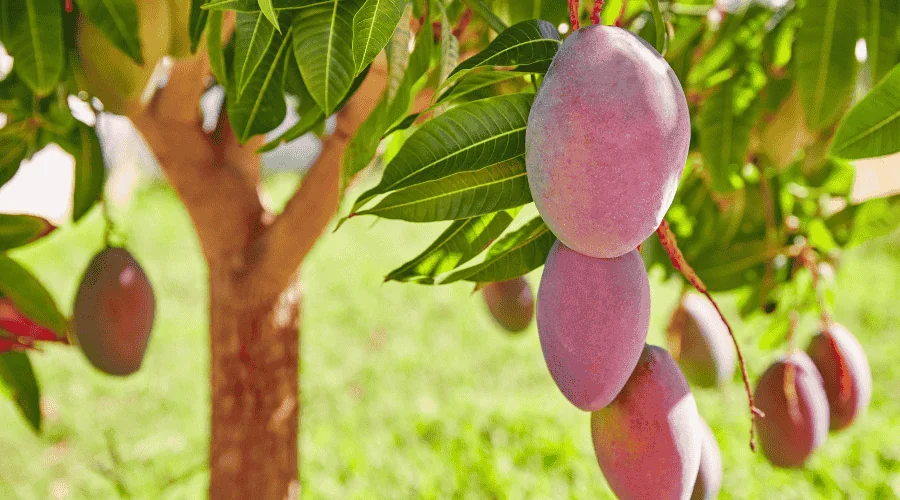
- Mango
- Avocado (variety dependent)
A Special Case for Central Florida: Mango Trees
Mango trees are extremely popular in Central Florida for good reason. They also are one of the most frustrating fruit trees during winter.
Mango Blooms + Freezes = No Summer Fruit
Many mango varieties bloom January–February, right when freezes are still possible. Even temperatures in the low 40s can:
- Damage flowers
- Cause blooms to drop
- Prevent pollination
- Result in no fruit later in summer
This is one of the most common reasons mango trees look healthy but never produce fruit.
How to Protect Mango Blooms
If your mango tree is blooming or about to bloom:
- Cover the entire canopy, not just the trunk
- Use frost cloth or sheets that reach the ground level
- Water the soil the day before a freeze, as most soils tend to hold heat
- For small trees, place old-school non-LED holiday lights under the cover
- Avoid pruning in the winter as this can trigger earlier, more vulnerable blooms
Many gardeners accept occasional crop loss as part of growing mangos at the edge of their range.
Mango Varieties That Tend to Bloom Later
If you want to reduce freeze risk long-term, the variety you choose matters. Later-blooming mangos often can escape the winter cold.
While bloom timing can vary by year and microclimate, these varieties are generally later and more reliable in our region:
- Keitt – Very late season, one of the safest choices
- Kent – Later blooming than many
- Valencia Pride – Vigorous, often blooms later
- Beverly – Compact, good for home landscapes
- Cogshall – Smaller tree, later bloom, manageable size
No mango is completely freeze-proof in Central Florida, but later bloomers improve your odds.
What Not to Worry About (and What to Plant Instead)
If you’d rather avoid dragging plants inside or covering every winter, choosing cold-tolerant and Florida-friendly plants makes life much easier.
Low-Hassle, Cold-Tolerant Plants for Central Florida
These typically handle winter cold without protection once established.
-Trees & Large Shrubs
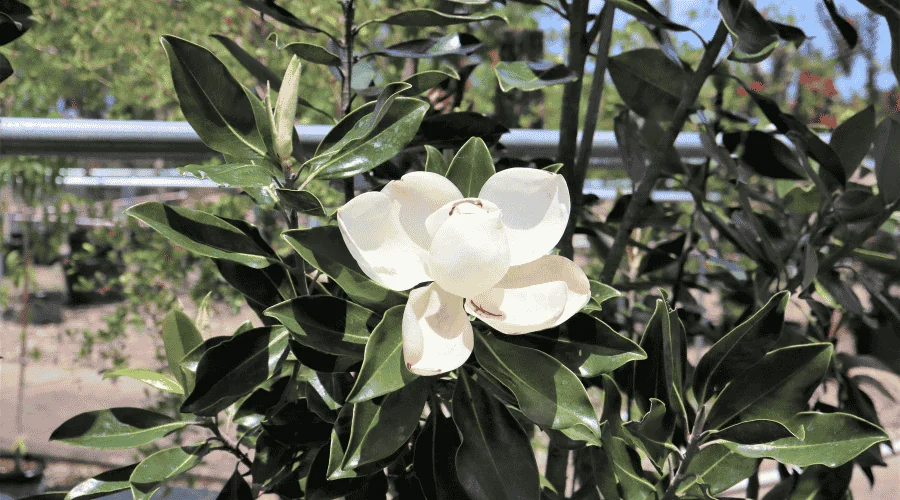
- Southern magnolia
- Live oak
- Bald cypress
- Loquat
- Cold-hardy bottlebrush
-Palms
- Sabal palm (Florida’s state tree)
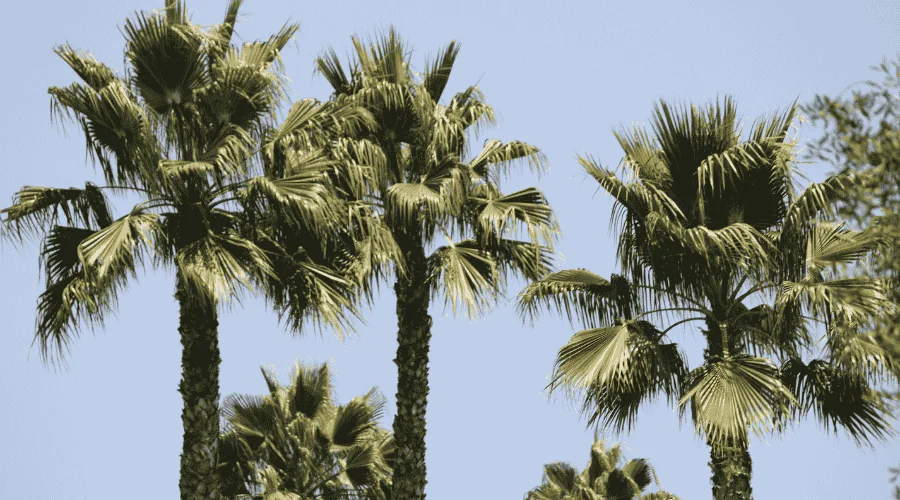
- Windmill palm
- Pindo palm
-Shrubs & Perennials
- Coontie
- Firebush (may drop leaves but rebounds)
- Beautyberry
- Simpson’s stopper
- Walter’s viburnum
-Grasses & Flowers
- Muhly grass
- Coreopsis
- Gaillardia (blanket flower)
These plants:
- Go dormant naturally
- Recover reliably in spring
- Require little to no winter protection
Designing with these plants greatly reduces winter stress.
After a Cold Snap: What to Do
- Don’t rush to prune damaged plants
- Wait until new growth appears in spring
- Damaged foliage often protects living tissue underneath
- Resume fertilizing and pruning once temperatures stabilize, ideally March
Patience saves plants.
Cold snaps in Central Florida do not stick around for long, but the right preparation and plant choice make all the difference. Knowing what truly needs protection helps you save time and effort so you can spend more time in the garden and shopping for plants.