By Amanda Rose Newton
Fall in Florida looks a little different. While our northern neighbors are admiring hillsides painted in fiery reds, brilliant oranges, and golden yellows, we are still surrounded by a rather enthusiastic amount of green. Our palm trees are not particularly interested in changing colors, and our lawns haven’t received the memo that autumn has arrived.
But that does not mean we have to miss out on the season’s colorful display! With a little creativity and the right plants, Florida gardeners can capture the warmth of autumn in their landscapes, gardens, and seasonal containers. We just have to approach fall foliage a little differently.
A Little Fall Color, Florida Style
Believe it or not, a few Florida trees do put on a seasonal show. Our subtropical climate doesn’t produce the sweeping displays associated with northern forests, but certain deciduous trees can still surprise us when temperatures begin to drop.
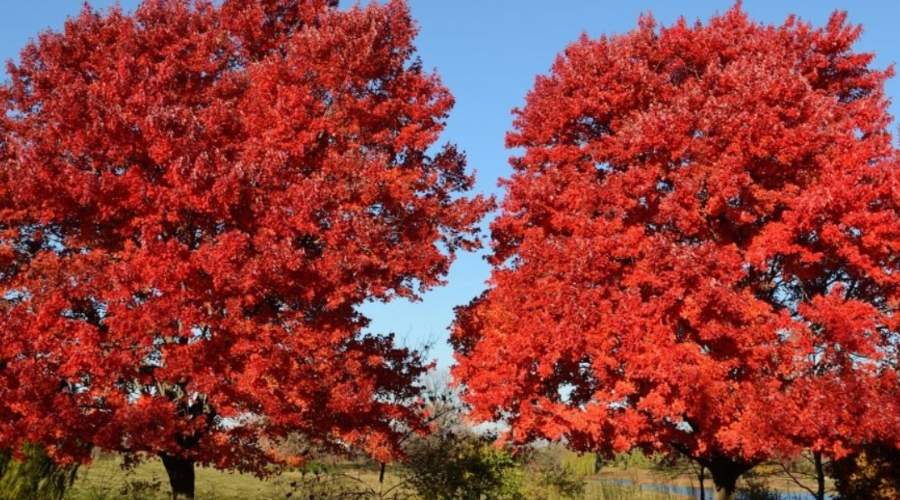
Red maple (Acer rubrum) is one of our best candidates for traditional fall color. This Florida native can develop beautiful red and yellow foliage, particularly in cooler years. Sweetgum (Liquidambar styraciflua) is another native worth admiring, with its distinctive star-shaped leaves sometimes turning shades of yellow, orange, red, and purple.
Bald cypress (Taxodium distichum) offers a different sort of autumn beauty. Unlike most conifers, this Florida native is deciduous, and its feathery green needles turn a warm coppery brown before falling. Even Virginia creeper (Parthenocissus quinquefolia), a native climbing vine, can develop brilliant red foliage as the season progresses.
Of course, Florida’s fall colors are notoriously unpredictable. Temperature, moisture, and even individual trees influence how much color develops. Some years offer a lovely display, while others are decidedly more subtle. Think of it as a pleasant surprise rather than a guarantee!
Colorful Foliage That Doesn’t Wait for Fall
If you don’t want to depend on cooler temperatures to bring color into your garden, why not choose plants that are already dressed for the occasion?
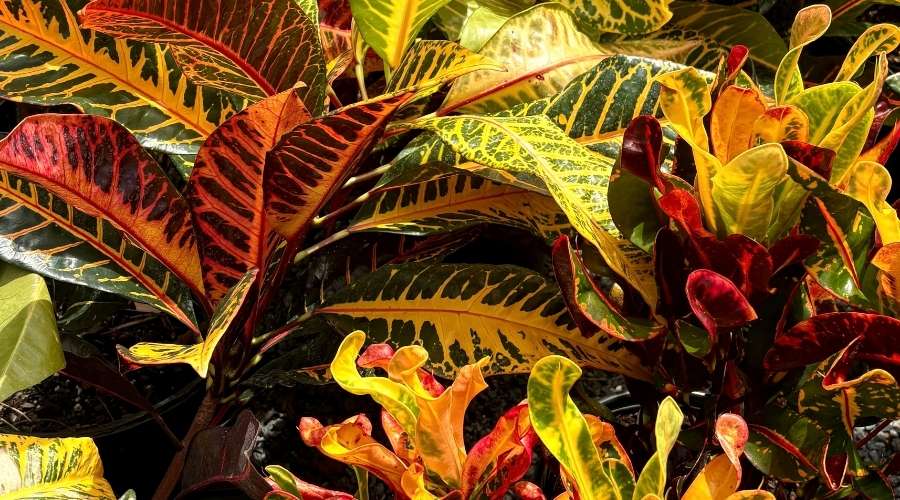
Crotons are practically autumn in plant form. Their broad, glossy leaves feature combinations of orange, yellow, red, burgundy, and green that rival any northern maple. They’re particularly striking in containers near entrances, along patios, or tucked into tropical garden beds. Give them plenty of bright light to encourage their most vibrant coloration.
Copperleaf (Acalypha wilkesiana) is another excellent choice for adding warm tones to the landscape. Depending on the variety, its foliage can feature rich copper, bronze, burgundy, pink, and red. These colorful shrubs make wonderful accents or informal hedges, especially in sunny locations.
For something a little smaller, coleus offers an astonishing range of leaf colors and patterns. From deep burgundy and rusty orange to golden yellow and lime green, there are varieties to complement nearly any fall planting combination.
And do not overlook ornamental sweet potato vine. Varieties with deep purple or bronze foliage can spill beautifully over the edges of containers, providing a dramatic contrast to orange and yellow blooms.
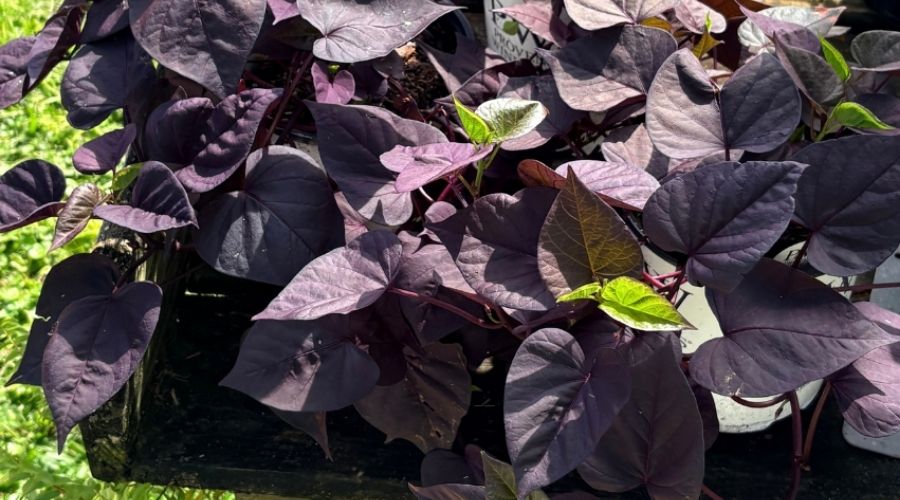
Unlike traditional fall foliage, these plants don’t need chilly nights to look their best. They bring autumn-inspired colors to Florida gardens even when the afternoon temperatures still feel suspiciously like summer.
Fall Flowers That Steal the Show
Sometimes the easiest way to create autumn color is to let flowers do the work.
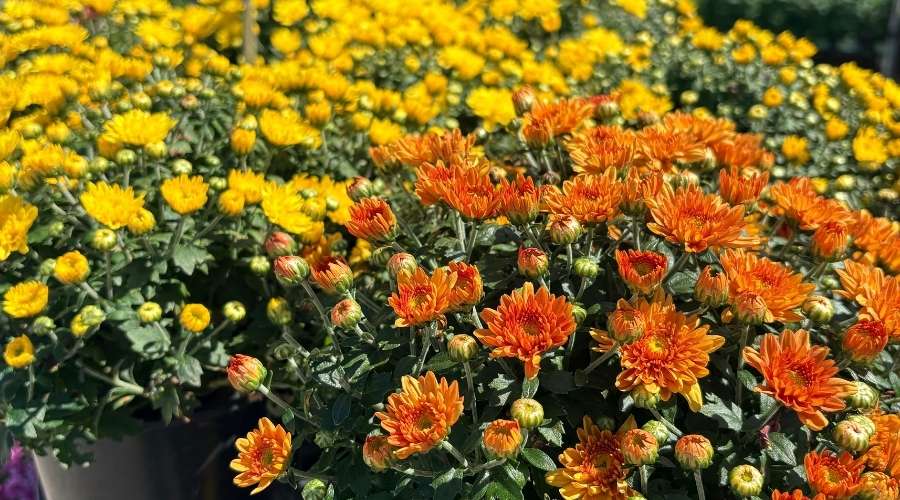
Chrysanthemums, or mums, are practically synonymous with fall. Their cheerful blooms come in shades of bronze, burgundy, orange, yellow, and cream, making them perfect for seasonal containers and porch displays. Marigolds offer another burst of traditional autumn colors, with golden yellow and fiery orange flowers that pair beautifully with dark-leaved crotons and ornamental grasses.
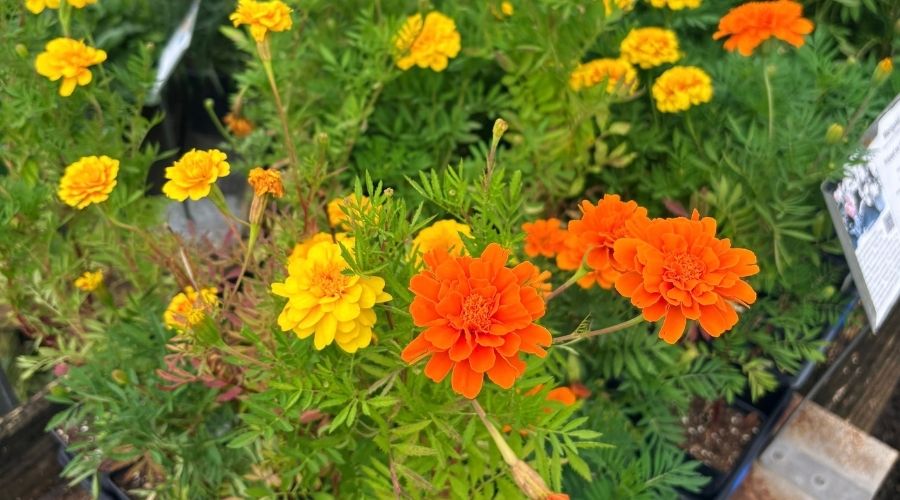
For a more Florida-friendly approach, consider blanket flower (Gaillardia). Its daisy-like blooms often feature combinations of red, orange, and yellow, resembling tiny sunsets scattered throughout the garden. Firebush (Hamelia patens) is another favorite, producing clusters of orange-red tubular flowers that attract hummingbirds and butterflies well into fall.
The secret is to combine flowers with colorful foliage rather than relying on blooms alone. A container featuring burgundy coleus, golden marigolds, and trailing sweet potato vine can capture the feeling of autumn without a single changing leaf.
Grasses and Autumn Texture
Fall isn’t just about color. Much of the season’s charm comes from texture, movement, and the softer tones of plants preparing for winter.
Muhly grass (Muhlenbergia capillaris) is one of Florida’s most spectacular fall performers. During autumn, this native grass produces airy clouds of pink to purple flower plumes that seem to glow when backlit by the afternoon sun. Planted in groups, muhly grass can create a display every bit as memorable as traditional fall foliage.
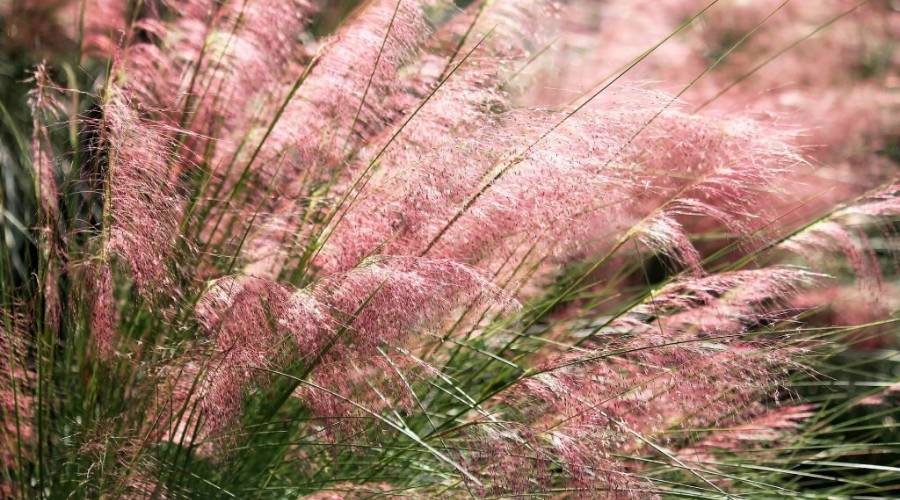
For a different texture, Fakahatchee grass (Tripsacum dactyloides) offers long, arching leaves that bring movement and structure to the landscape. Together with colorful foliage and seasonal flowers, ornamental grasses help create a garden that feels distinctly autumnal, even without a carpet of fallen leaves.
Perhaps the nicest thing about gardening in Florida is that we don’t have to say goodbye to color when summer ends. While northern gardens are preparing for dormancy, ours are often entering one of their most enjoyable growing seasons.
Our version of autumn might include pink muhly grass instead of golden aspens, crotons instead of scarlet maples, and hummingbirds visiting firebush instead of leaves drifting across the lawn. It’s a different kind of seasonal beauty, but certainly no less colorful.
So go ahead and embrace the oranges, reds, golds, and burgundies of fall. Whether you’re refreshing your front porch, planting a new garden bed, or creating a seasonal container, the team at Rockledge Gardens can help you find plants that bring a little autumn magic to your Florida home.
After all, who says you need falling leaves to fall in love with the season?