What to Cut, What to Leave, and What May Not Come Back
By Amanda Rose Newton
January’s hard freeze left many Central Florida landscapes looking brown, droopy, and lifeless. If your yard suddenly resembles late fall in the Midwest, you’re not alone.
Before you start cutting everything to the ground, take a breath. Freeze recovery is more about patience than pruning.
Let’s walk through how to assess damage and what to do next.
What Cold Damage Looks Like
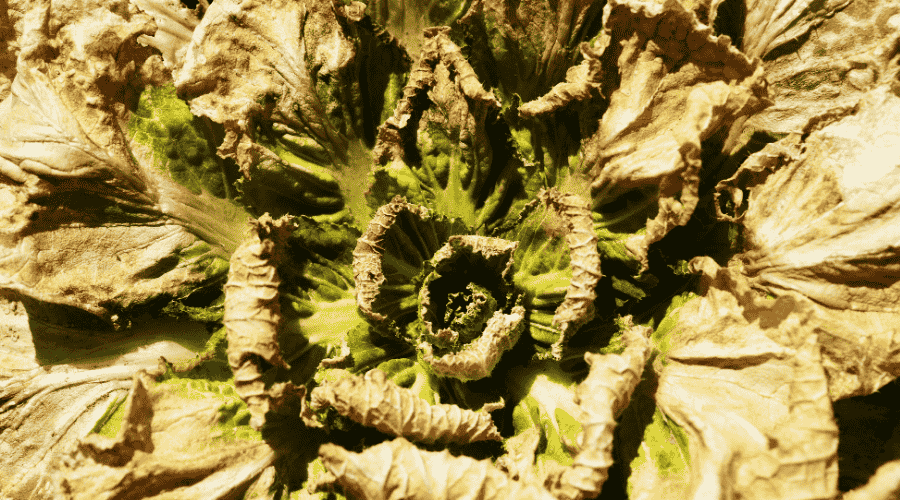
Freeze injury often shows up as:
- Blackened or translucent leaves
- Mushy stems
- Wilted growth that never rebounds
- Brown, dry foliage
- Sudden leaf drop
Some plants collapse immediately. Others decline slowly over 1–2 weeks.
Is It Dead? How to Tell
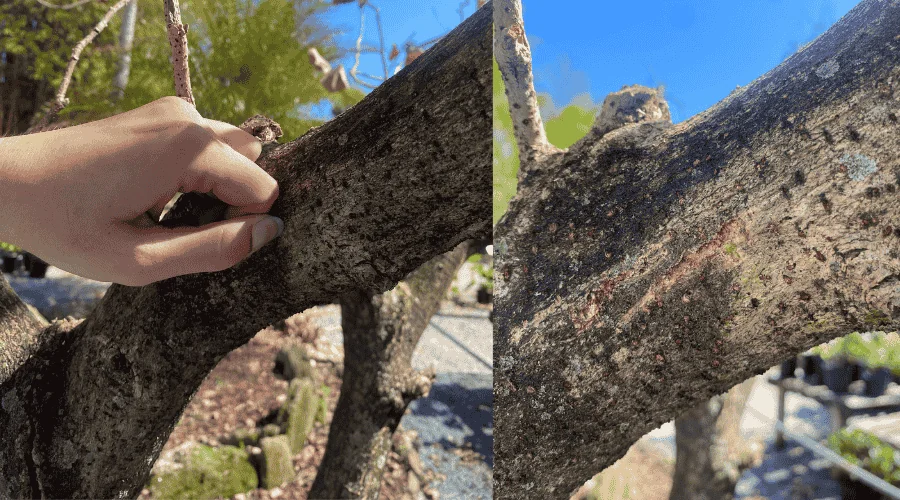
Scratch Test 101 (For Woody Plants)
For most shrubs and trees:
- Use your fingernail or a small knife.
- Lightly scratch the outer bark.
- If you see green tissue underneath, that stem is alive.
- If it’s brown and dry, that portion is dead.
Work down the stem until you find green tissue. That’s where you prune back to.
Important: The Scratch Test Does NOT Work on Palms!
Palms are monocots and do not have layered bark like woody trees. Scratching a palm trunk does not tell you whether it’s alive.
Instead:
- Check the center spear leaf.
- Gently tug it.
- If it pulls out easily and smells rotten, the growing point may be dead.
- If it stays firm, the palm may recover.
Palms can look completely brown and still survive if the central bud remains intact.
When to Cut Back Freeze Damage
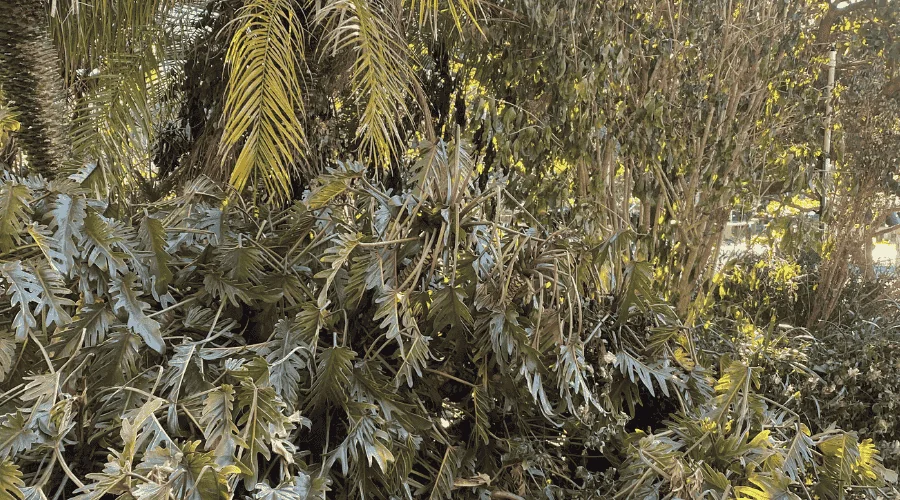
Do not prune immediately after a freeze.
Dead foliage can provide insulation if another cold event occurs.
Wait until:
- Frost danger has passed.
- You see new growth beginning.
Then:
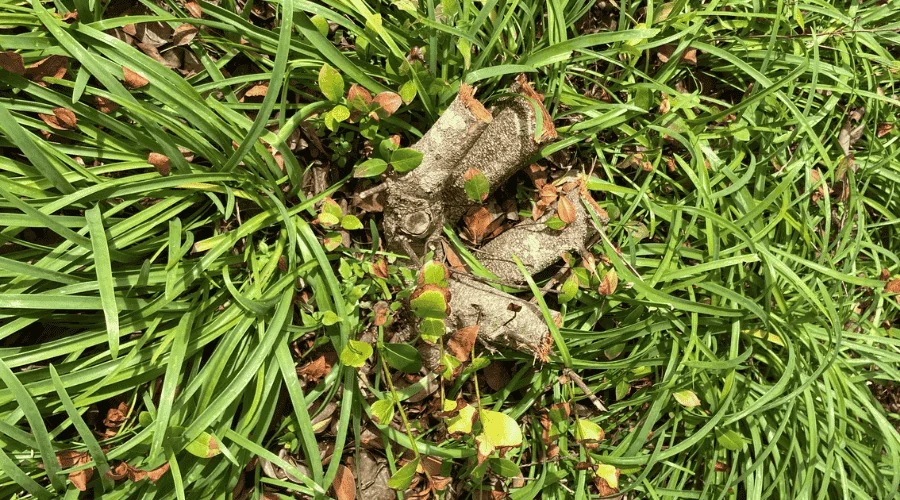
- Remove fully dead stems back to green tissue.
- Cut mushy growth cleanly.
- Leave anything showing life.
Perennials like firebush and porterweed often resprout from the base. So, cut them back once new growth appears.
Very Cold-Sensitive Plants That May Not Pull Through
Unfortunately, some tropical species struggle in Central Florida after hard freezes.
Tropical Fruit Trees at High Risk
- Soursop (Annona muricata)
- Breadfruit
- Young mango
- Starfruit (especially young trees)
- Papaya
- Banana (top growth usually dies, but the roots may resprout)
Soursop is extremely sensitive and often does not survive temperatures in the low 30s.
Ornamental Tropicals That Often Decline
- Crotons
- Tropical hibiscus
- Ti plant (Cordyline)
- Areca palms
- Majesty palms
- Traveler’s palm
- Heliconia
- Bougainvillea (may resprout from base)
Even Sea Grape Turned Brown!
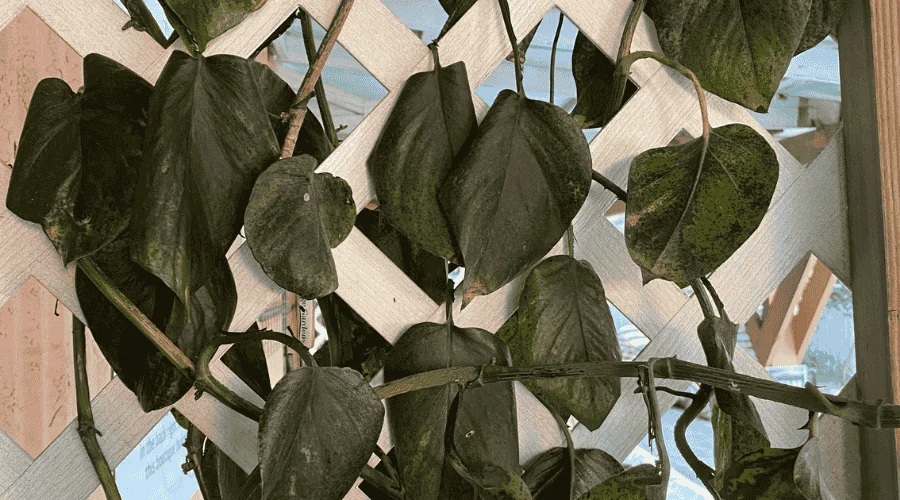
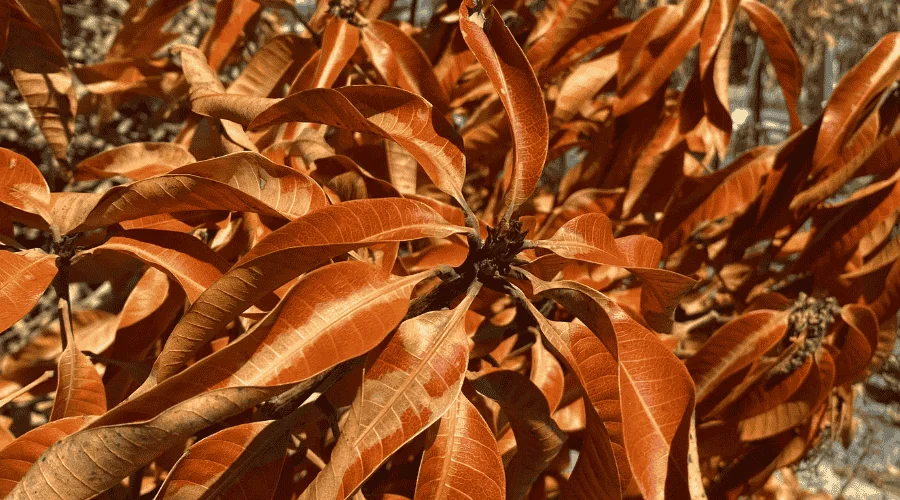
Many established sea grapes and red-tipped cocoplums are bronze or brown right now. Mature plants usually recover and push fresh leaves in spring. Young plants are more vulnerable.
Signs of Recovery
Look for:
- Swelling buds
- New shoots from the base
- Firm palm spear
- Small green leaf tips emerging
Established plants often recover from roots even if top growth dies back.
Freeze Protection Checklist for Next Time
Use this checklist before the next cold snap:
Monitor the Forecast
- Watch for temps below 32°F.
- Pay attention to clear skies and calm winds.
- Identify frost pockets in your yard.
Prioritize What to Protect
Cover:
- Newly planted trees and shrubs
- Tropical fruit (soursop, mango, papaya)
- Crotons, hibiscus, ti plants
- Young palms
- Container plants
- Vegetable gardens
Use the Right Materials
Best options:
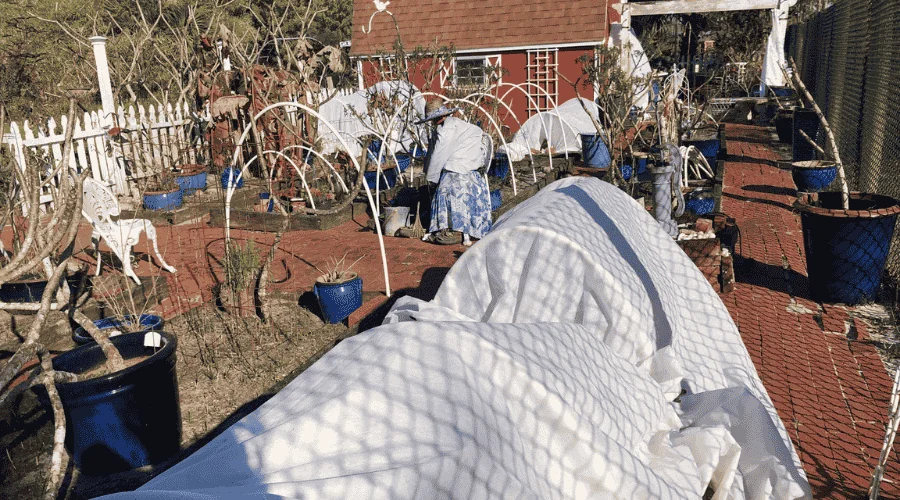
- Frost cloth
- Old sheets
- Blankets
- Burlap
Avoid:
- Plastic touching foliage
- Thin tarps directly on plants
Cover Properly
- Cover before sunset.
- Extend material all the way to the ground.
- Secure edges with bricks or pins.
- Use stakes if possible to prevent fabric from resting on tender leaves.
The goal is to trap ground heat.
Add Gentle Heat for Ultra-Tropicals
For very sensitive plants:
- Use old-style incandescent Christmas lights (NOT LED).
- Place them under the covering.
- Do not let bulbs touch foliage.
A few degrees can make the difference.
Water Smartly
- Moist soil holds heat better than dry soil.
- Water earlier in the day before a freeze.
- Do not soak foliage at night.
Protect Containers
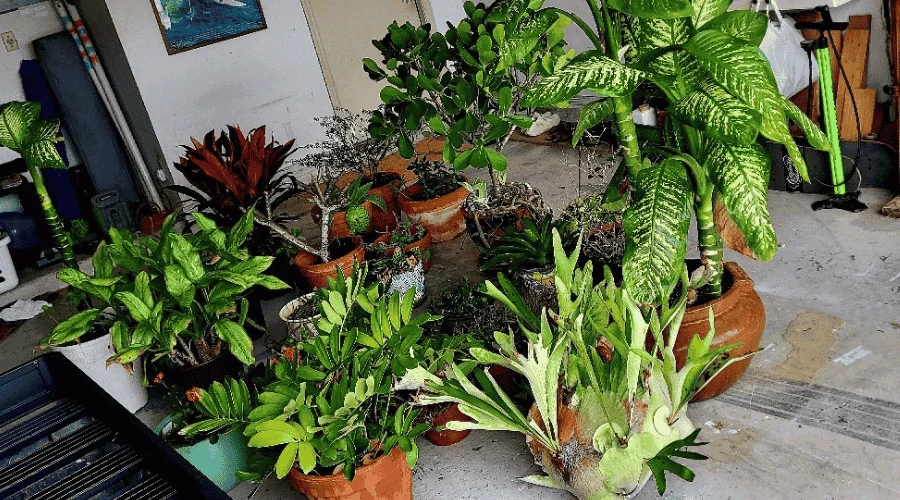
- Move pots indoors, into a garage, or against a wall.
- Container roots freeze faster than in-ground plants.
Cold-Hardy Alternatives for Central Florida
If you’re reconsidering ultra-tropicals, here are resilient options that tolerate occasional freezes better:
Instead of Soursop:
- Sugar apple
- Loquat
- Cold-hardy avocado varieties
Instead of Tropical Hibiscus:
- Rose of Sharon
- Firebush (hardy varieties resprout well)
Instead of Crotons:
- Variegated pittosporum
- Certain coleus varieties (seasonal)
Instead of Areca Palms:
- Pindo palm
- Sabal palm (native)
- European fan palm
Instead of Ti Plant:
- Dwarf palmetto
- Cordyline cultivars rated for Zone 9
Choosing plants adapted to Zone 9b conditions increases long-term success.
Freeze events are frustrating, but they also reveal what truly thrives in Central Florida.
They offer a chance to:
- Reevaluate plant choices
- Strengthen landscapes
- Add more native and resilient species
- Design with microclimates in mind
Patience now will prevent regretful pruning later.
Give your landscape time. Spring growth may surprise you.