All About Grasshopper Control in Central Florida Gardens
By Amanda Rose Newton
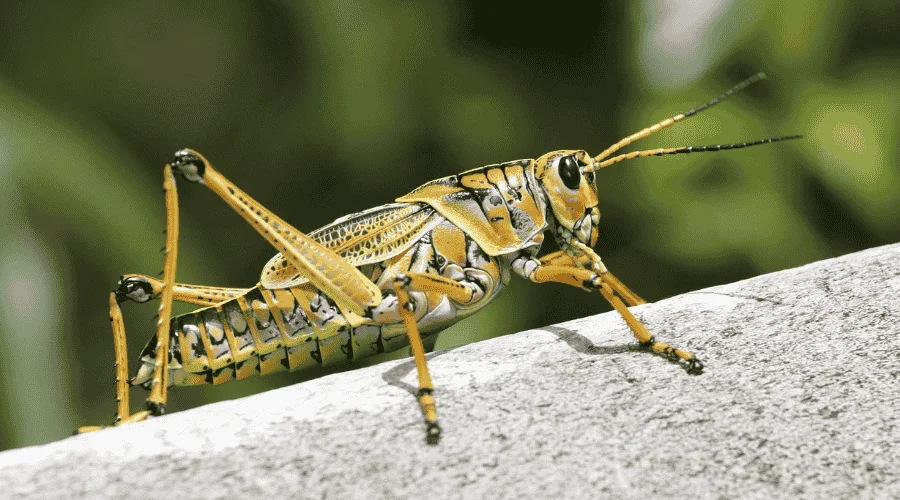
If you garden in Central Florida long enough, you will meet one very bold, very slow-moving, and very hungry visitor: the Eastern Lubber Grasshopper.
They’re large. They’re colorful. They’re impossible to miss.
But are they villains of the landscape or just part of Florida’s natural rhythm?
Let’s break down what they’re doing in your garden, why they show up, and what (if anything) you should do about them.
First: Friend and Foe
Grasshoppers aren’t automatically “bad.” In fact:
The Good
- They serve as food for birds, lizards, and small mammals.
- They help cycle nutrients by breaking down plant material.
- They are part of Florida’s native ecosystem.
The Problem
The Eastern Lubber is:
- Large
- Slow
- Extremely hungry
- Fond of ornamentals and vegetables
When populations are high, they can defoliate plants quickly, especially tender new growth.
Why Are They Showing Up?
Lubbers thrive in:
- Warm, humid climates (hello, Florida)
- Weedy areas and unmanaged spaces
- Gardens with lush, tender foliage
- Years following mild winters
They don’t typically “invade”. They develop locally. If you see several in spring, they likely hatched nearby.
Where Do Eastern Lubbers Lay Eggs?
The female Eastern Lubber Grasshopper lays egg pods:
- In bare or lightly mulched soil
- In fall
- A few inches below the soil surface
- Often near weedy areas, field edges, or garden beds
Each pod can contain 30–80 eggs.
The eggs overwinter in the soil and hatch in early spring (March–April in Central Florida).
Which Phase Is Most Damaging?
Grasshoppers undergo incomplete metamorphosis:
Egg → Nymph → Adult
Nymph Stage (Most Manageable)
Newly hatched nymphs:
- Are black with yellow or orange markings
- Move in groups
- Cannot yet fly
This is the best time for control because:
- They are concentrated.
- They are easier to remove.
- They haven’t dispersed widely.
Adult Stage (Most Visually Alarming)
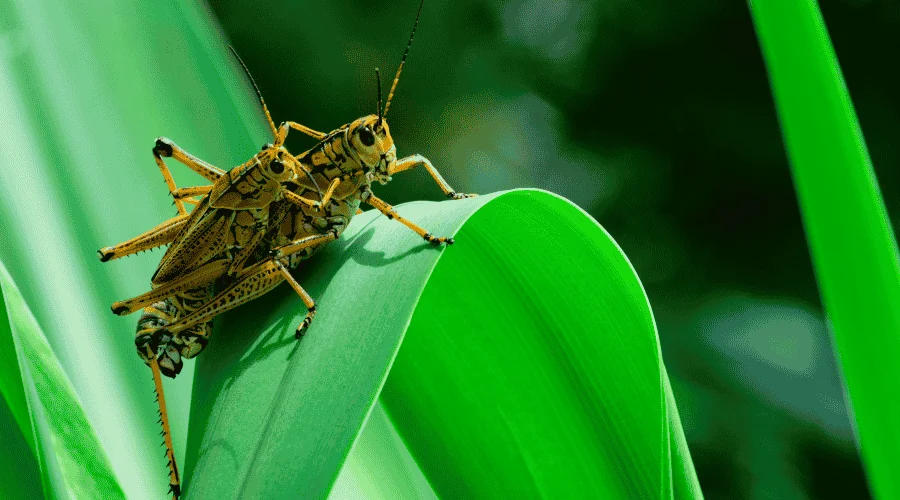
Adults:
- Grow up to 3 inches long
- Develop bright yellow and black markings with red wings
- Cannot truly fly far — but they can glide
Adults consume more foliage simply because they are larger. However, by the time you see adults, much of the feeding has already occurred.
Garden Bug Pro-Tip: Early intervention during the nymph stage is the most effective approach.
What Are They Eating?
Lubbers are generalist feeders. In Florida landscapes, they commonly feed on:
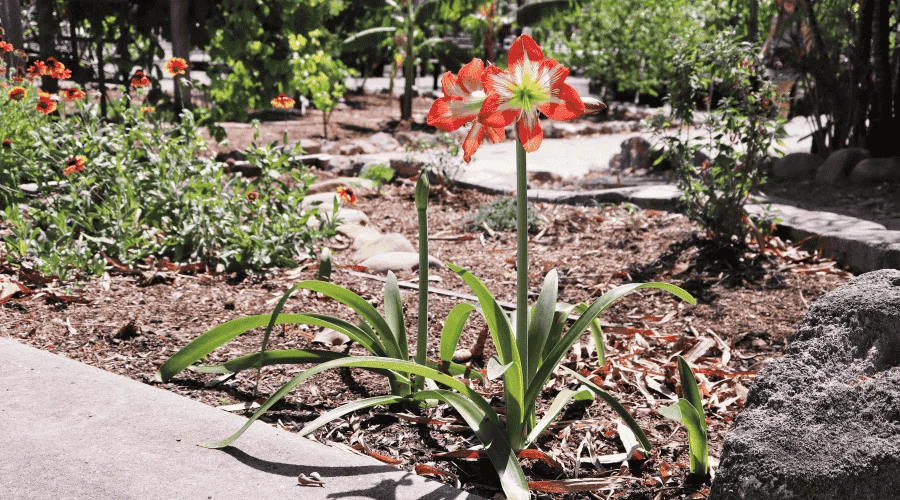
- Amaryllis
- Crinum lilies
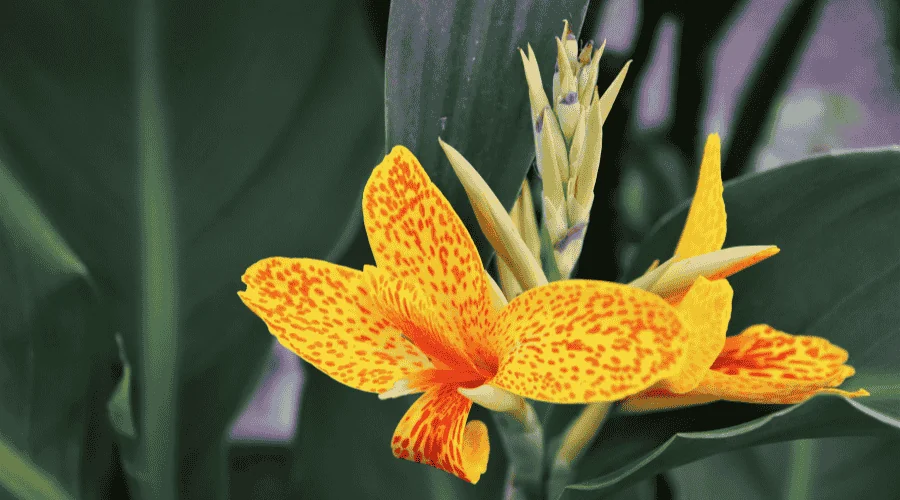
- Cannas
- Vegetables (especially leafy greens)
- Shrubs
- Tender perennials
- Even certain weeds
They often prefer soft, succulent growth.
Plants Lubbers (and other grasshoppers) Love
If you grow these, keep an eye out in spring:
- Amaryllis
- Crinum lily
- Canna lily
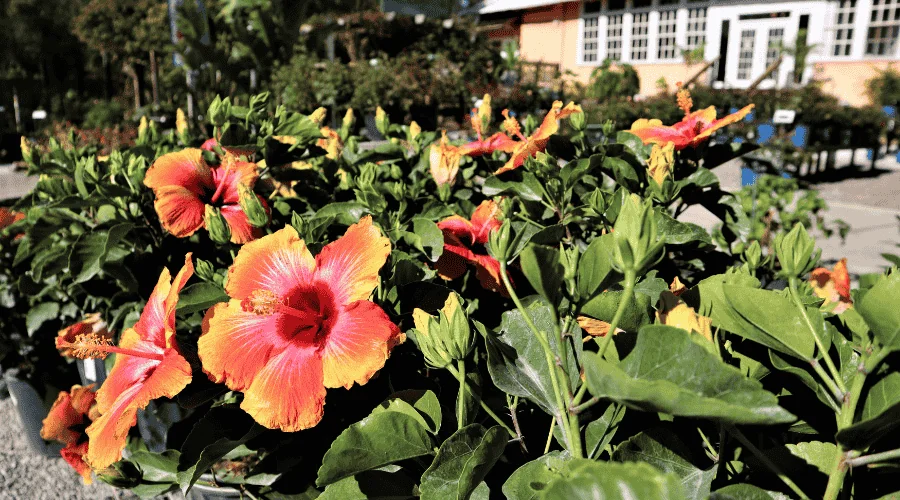
- Hibiscus
- Angelonia
- Vegetables like lettuce, beans, and peppers
- Tender annuals
Plants They Usually Avoid
No plant is completely “safe,” but lubbers tend to leave these alone more often:
- Woody shrubs with tough leaves
- Mature citrus
- Rosemary
- Thyme
- Ornamental grasses
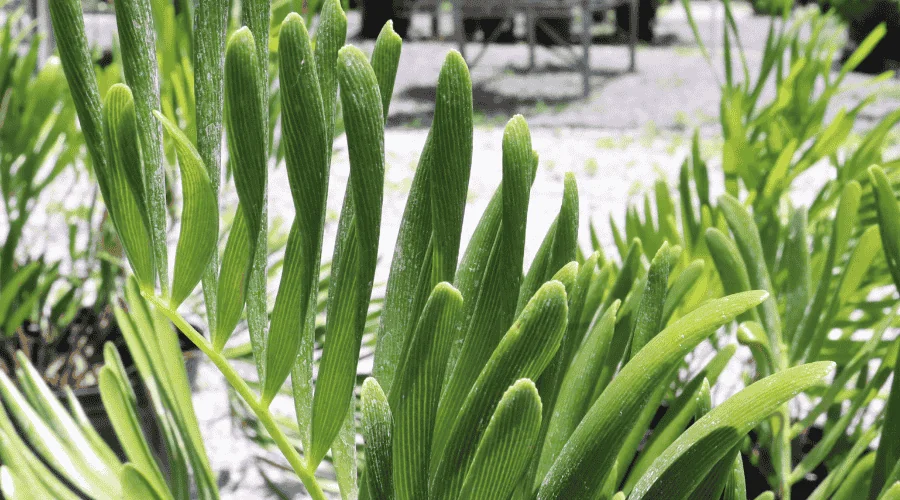
- Coontie (Zamia)
- Crotons (often avoided due to tougher foliage)
Herbs with strong aromatic oils are less attractive to them, though not guaranteed deterrents.
Why This Year?
You may notice more lubbers if:
- Winter was mild (higher egg survival)
- You have open soil areas
- Nearby lots are unmanaged
- Spring growth was especially lush
Populations are cyclical. Some years are noticeably worse than others.
Grasshopper Control in Central Florida
Hand Removal (Most Effective for Home Gardens)
Because lubbers are slow:
- Wear gloves.
- Drop them into a bucket of soapy water.
- Early mornings are easiest when they are sluggish.
This method works especially well during the nymph stage.
Reduce Egg-Laying Habitat
In fall and winter:
- Minimize bare soil areas.
- Reduce unmanaged weedy zones.
- Lightly cultivate soil where infestations were heavy to disrupt egg pods.
Encourage Predators
Birds, shrikes, and certain reptiles will feed on smaller individuals. However, lubbers produce defensive chemicals that make them distasteful to many predators. Which explains their bold behavior and bright coloration.
Fun Fact: Most of the toxin is in their head region, so many birds have learned to decapitate the grasshoppers on objects like car hood ornaments and eat the rest of the body.
Insecticides?
In most Florida home gardens:
- Chemical control is rarely necessary.
- Large adults are difficult to control with sprays.
- Broad-spectrum insecticides may harm beneficial insects.
If treatment is considered, it must target small nymphs, not adults.
Following Integrated Pest Management (IPM) principles is key: monitor first, act only if damage exceeds your tolerance level.
A Florida Perspective
The Eastern Lubber Grasshopper is native to the Southeast. It belongs here. It isn’t an invasive crisis. It’s a seasonal participant in our ecosystem.
In most landscapes:
- Damage is cosmetic.
- Outbreak years are temporary.
- Eradication is neither realistic nor necessary.
So… Friend or Foe?
In small numbers?
A friend of the ecosystem.
In high numbers on your amaryllis?
A temporary foe.
The key is early observation. If you see tiny black-and-yellow nymphs marching across your yard in spring, that’s your window for simple, effective control.
As with many garden challenges in Florida, it’s less about elimination and more about balance.