What’s Holding Your Houseplants Back This Winter?
By Amanda Rose Newton
Even in Florida, where “winter” is more suggestion than season, many houseplants slow down once days get shorter and the air becomes cooler and drier. If your indoor jungle looks stuck, droopy, or just… meh, it may not be neglect; it is probably the plant’s biology.
Here’s what’s really holding your houseplants back this time of year, and how to help them thrive without overdoing it.
Your Plants Are Slowing Down (Yes, Even Indoors)
Most houseplants follow natural growth rhythms tied to day length and light intensity. As winter approaches:
- Growth slows or pauses (a form of mild dormancy)
- Water use decreases
- Nutrient needs drop significantly
This is normal, even in sunny Central Florida.
When Will Growth Resume?
For most houseplants, new growth picks up again:
- Late February to March, when days lengthen
- More noticeably by April, when light intensity increases
If your plant isn’t producing new leaves in January, it’s not failing, it’s resting!
What to do now: Maintain, don’t push. Avoid heavy feeding or frequent repotting until active growth returns.
Root Bound = Growth Bound
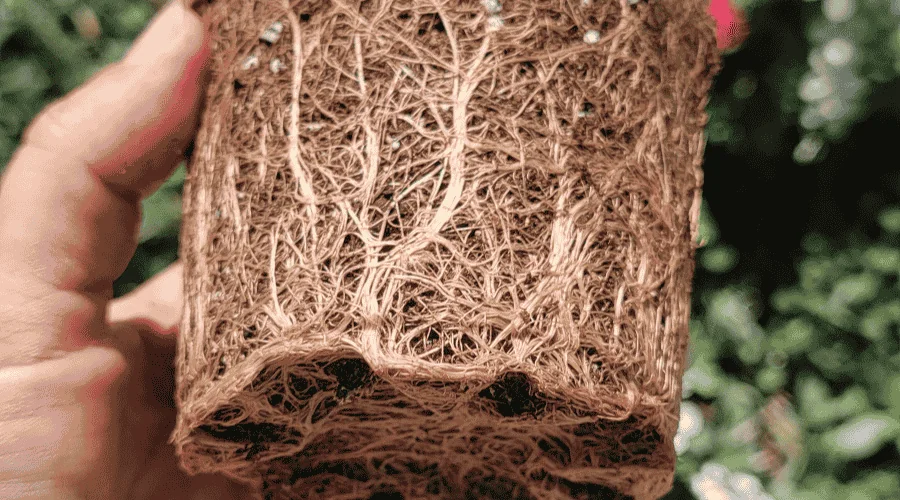
If a plant has been in the same pot for a year or more, it may be root-bound, meaning the roots have filled the container and have nowhere left to go.
Signs Your Plant Is Root Bound:
- Water runs straight through the pot
- Roots circle the bottom or emerge from drainage holes
- Stunted growth during the growing season
- Wilting shortly after watering
Winter Tip:
If the plant is severely root-bound, you can gently step it up one pot size now. Otherwise, wait until early spring for full repotting when the plant can recover more easily.
Overwatering in Winter Is the #1 Killer
Shorter days + cooler temperatures = slower water use. Many houseplants that thrive on weekly watering in summer may only need water every 10–14 days in winter.
How Waterlogging Happens:
- Soil stays wet too long
- Roots suffocate
- Root rot sets in
The Humidity Reality:
Our outdoor humidity doesn’t always translate indoors, especially if you are running heat or if cold fronts bring dry air.
Winter Watering Rule:
Stick your finger 2 inches into the soil. If it’s still damp, wait.
Pro Tip:
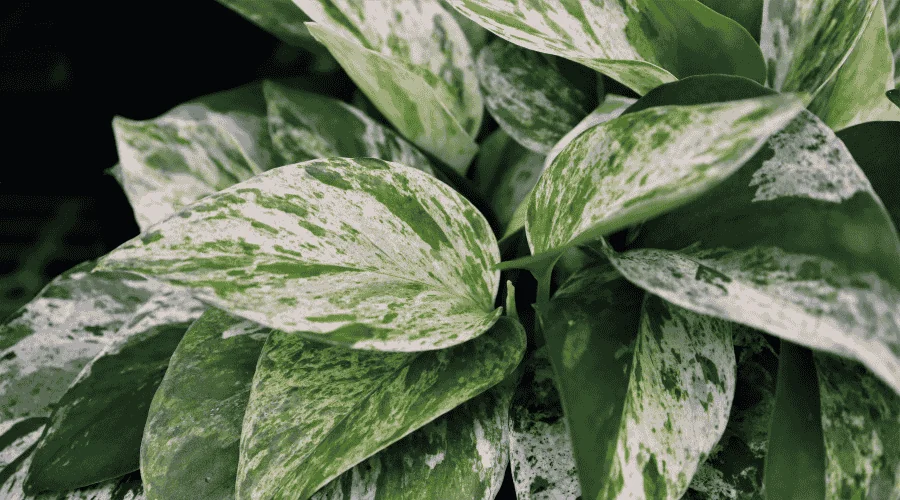
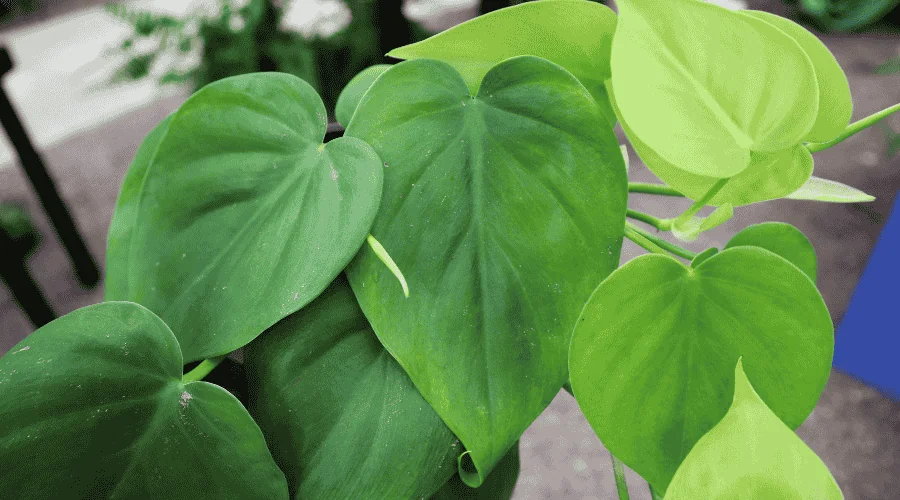
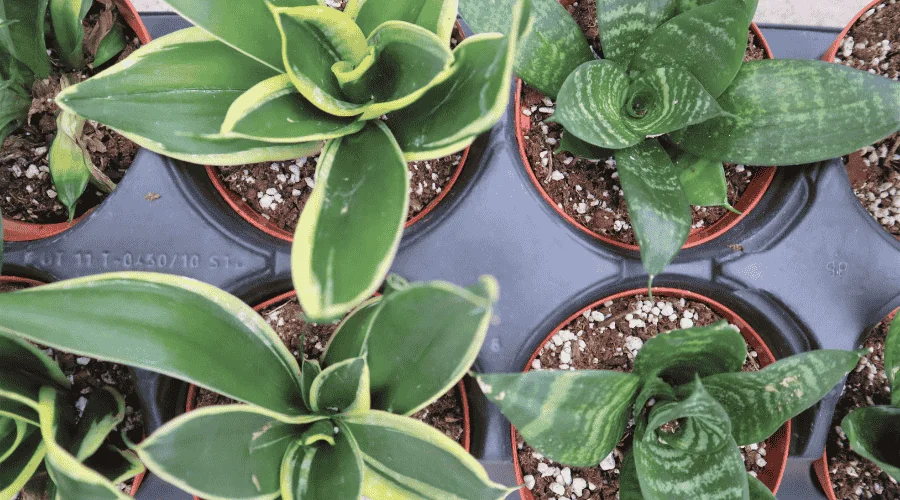
Plants like pothos, snake plant, ZZ plant, philodendron, and hoya prefer drying out slightly between waterings this time of year.
Light Is the Hidden Limiting Factor
Even near bright windows, winter light is weaker and more angled.
Signs of Low Light:
- Long, stretched stems
- Smaller or pale leaves
- Slow or no new growth
What Helps:
- Move plants closer to windows (south or east-facing is best in winter)
- Rotate plants every few weeks
- Consider a small grow light for light-hungry plants like fiddle leaf figs, monsteras, citrus, or herbs
Dry Air & Bug Problems Go Hand in Hand
Cooler weather plus indoor heating (yes, even in Florida during cold snaps) can dry the air which creates perfect conditions for pests.
Common Winter Pests:
- Spider mites
- Mealybugs
- Scale
These thrive when plants are stressed and humidity is low.
Prevention Tips:
- Wipe leaves regularly with a damp cloth
- Check undersides of leaves weekly
- Isolate new plants before adding them to your collection
- Use insecticidal soap or neem oil early if pests appear
Don’t Over-Fertilize Dormant Plants
Feeding a plant that isn’t actively growing can:
- Burn roots
- Cause weak, leggy growth
- Increase salt buildup in soil
Winter Fertilizer Rule:
Pause feeding from November–February. Resume light fertilizing when you see new growth in spring.
Know When to Repot (And When to Wait)
Winter is not the prime repotting season, but it’s okay to intervene if a plant is struggling.
Repot Now If:
- Roots are tightly circling the pot
- Water runs straight through
- The plant repeatedly wilts despite proper care
Wait Until Spring If:
- The plant looks healthy but just isn’t growing
- It’s newly purchased or recently repotted
Spring repotting allows faster root recovery and stronger growth.
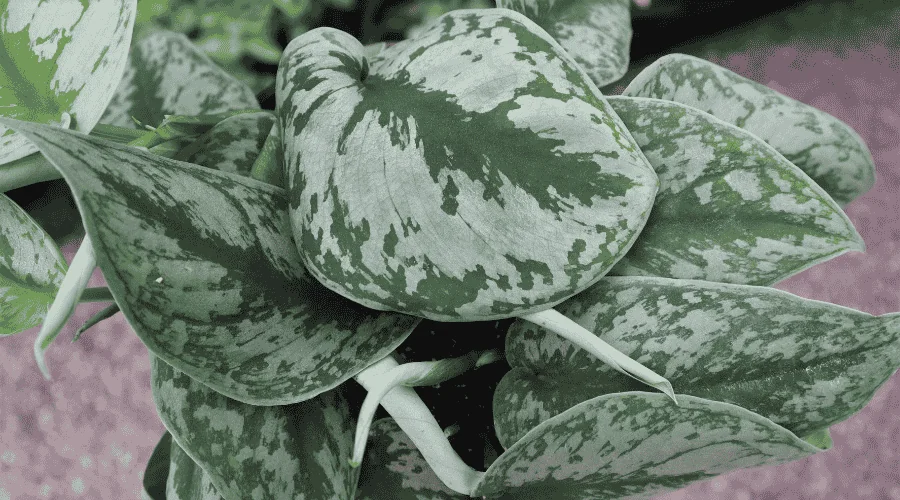
Classic Houseplants for an Easy Winter Jungle
If you want houseplants that don’t mind winter slowdowns, try:
- Pothos – tough, forgiving, low light tolerant
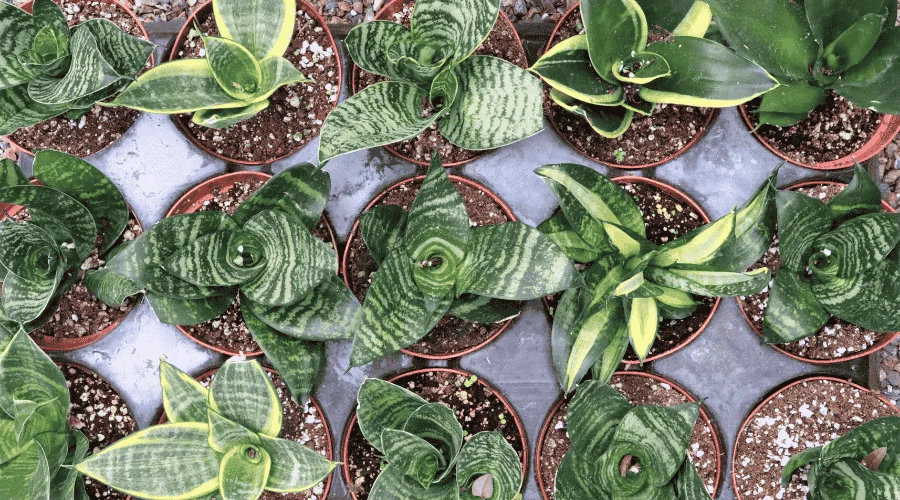
- Snake Plant (Sansevieria) – thrives on neglect
- ZZ Plant – excellent for dry air
- Philodendron – adapts well indoors
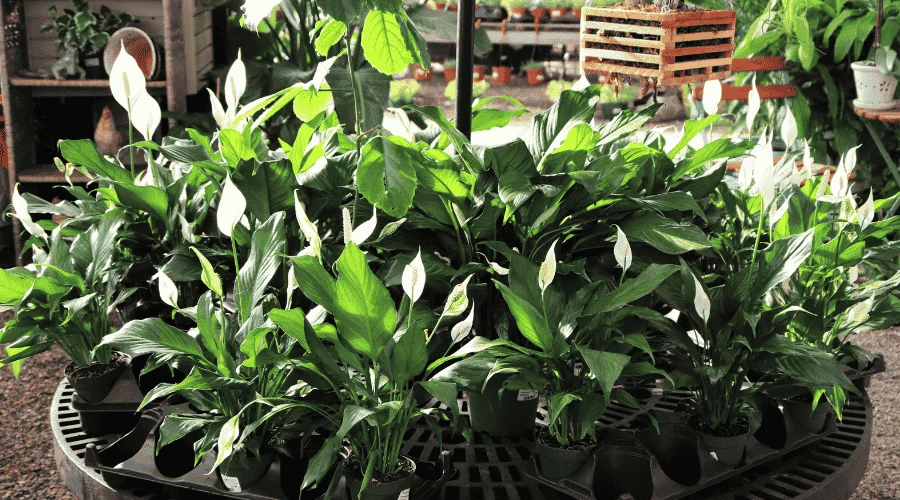
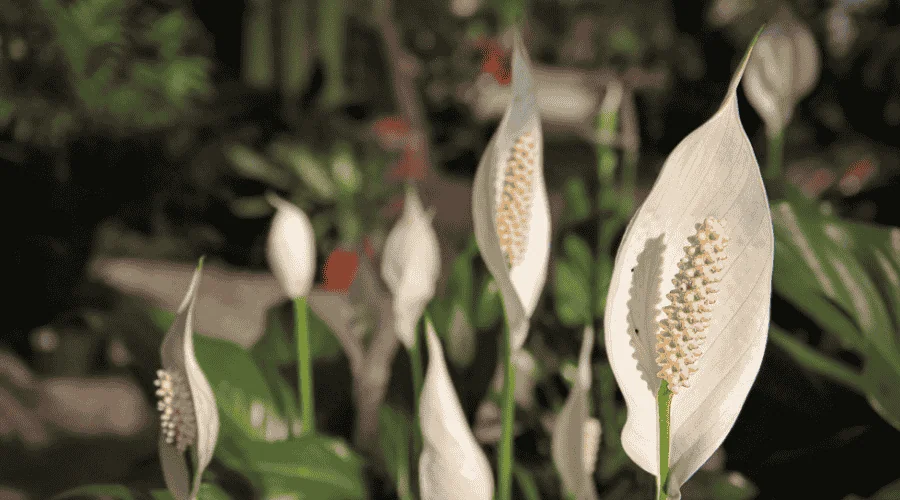
- Peace Lily – signals when it needs water
- Hoya – prefers drier soil in winter
These maintain good structure even when growth pauses.
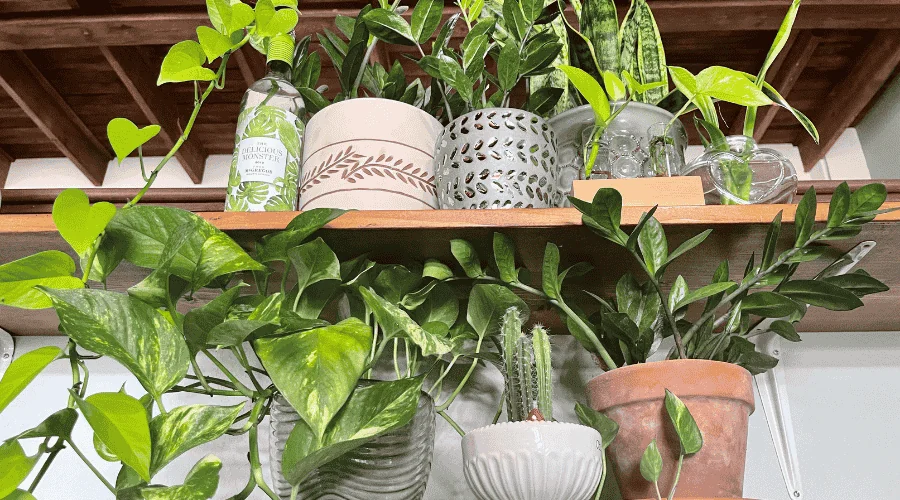
Your indoor jungle doesn’t need to explode with new leaves year-round. In winter, your role is to:
- Prevent root binding
- Avoid overwatering
- Watch for pests
- Maintain light and humidity
Then, when Brevard County’s longer days return in late winter and early spring, your plants will reward you with fresh growth, stronger roots, and that lush look we all love.
If your houseplants seem “stuck,” don’t worry, they are just waiting for their season.