Smart spring feeding with cold damage, dormancy, and the weather in mind
By Amanda Rose Newton
March is when many Florida gardeners get the urge to feed everything in sight. The lawn is starting to color up, shrubs are pushing new leaves, and the vegetable garden is calling. Normally that makes sense. This year, though, many landscapes are still showing the effects of a very unusual freeze. Some plants have bounced back quickly. Others are still figuring out what survived.
That is why spring fertilizing is less about grabbing one bag and treating the whole yard the same way and more about paying attention to what is actually growing. Some things are ready now. Some things need a little more time. And some, like a new vegetable garden, are on their own schedule entirely.
First, take inventory
Before fertilizing, it helps to divide the yard into categories.
The lawn is one category. Ornamental shrubs and landscape beds are another. Palms deserve their own consideration. Vegetables and herbs are definitely their own group.
They are not all hungry for the same thing, and they are not all ready at the same moment.
The lawn is not the whole landscape
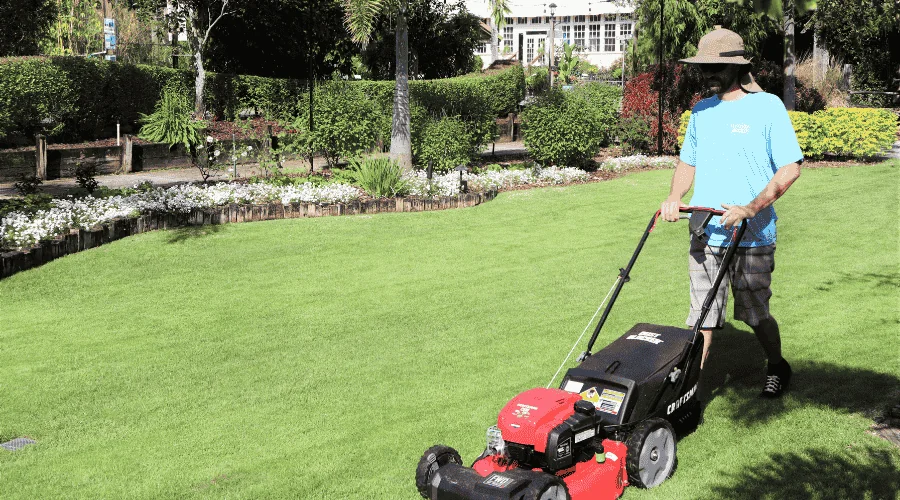
If your turf has genuinely greened up and is actively growing, spring feeding can make sense. If it still looks patchy, pale, or half asleep, give it a little more time. Fertilizer works best when grass is growing strongly enough to use it.
For turf, this is usually the time for a slow release lawn fertilizer applied according to label directions.
- Resist the urge to overdo it.
- More fertilizer does not equal a better lawn.
- It usually just means more mowing and more opportunity for nutrients to move where they should not.
And since we live where we do, this is also the time to remember that the local fertilizer ban starts June 1 and runs through September 30 to help protect the Indian River Lagoon. Spring is your main feeding window. Use it wisely.
Ornamentals need a different strategy
Shrubs, perennials, and flowering plants are where people often get too generous. If a plant is still carrying obvious freeze damage and is not yet pushing healthy new growth, fertilizer is probably not the first thing it needs. Patience is.
But if an ornamental is actively flushing, this is a good time for a light feeding.
- For most landscape plants, a balanced, slow release fertilizer works well.
- You are not trying to force explosive growth.
- You are trying to support steady recovery and healthy spring development.
Flowering annuals are a little different. They are heavy performers and usually appreciate more regular feeding, especially if they are blooming hard. Containers also need more attention because nutrients leach quickly and watering is more frequent.
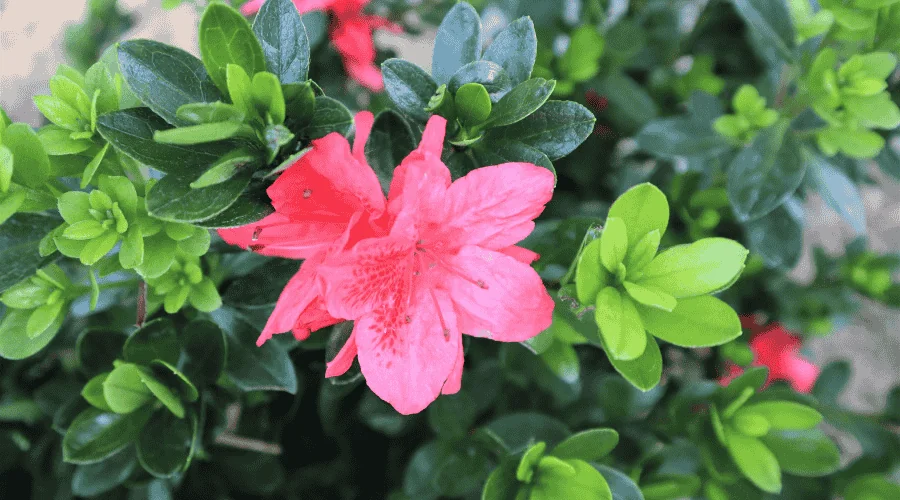
As always, match the fertilizer to the plant when possible. Camellias and azaleas prefer fertilizers for acid loving plants. Palms need a palm fertilizer, not a general landscape blend. Citrus does best with citrus fertilizer. A one-size-fits-all approach is rarely the best one.
Palms deserve special treatment
Palms are famous for showing nutrient deficiencies in Florida landscapes, and spring is a good time to correct that. A proper palm fertilizer should include micronutrients, especially magnesium and manganese, not just nitrogen.
What about plants damaged by the freeze?
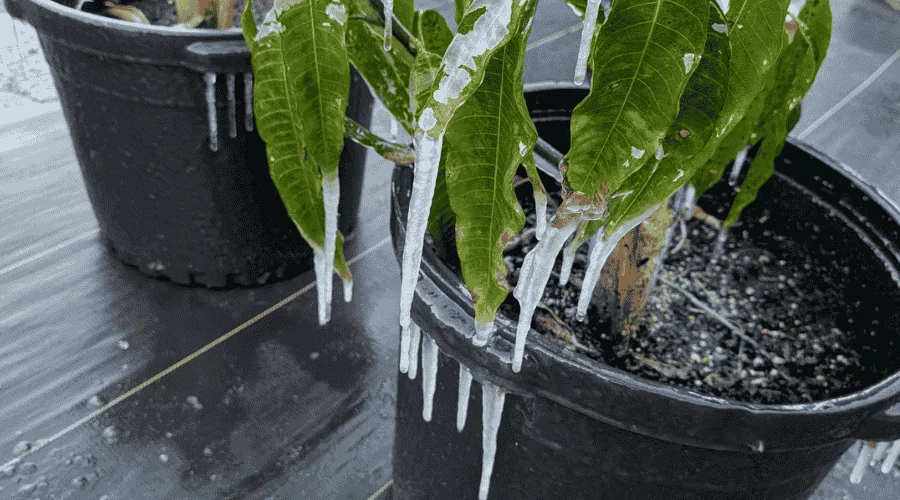
This is where people get impatient, understandably so. A damaged plant looks sad and fertilizer feels like action. But fertilizer is not a rescue potion.
If a shrub or tropical still looks stalled, just wait. If it has started producing healthy new growth, then a light feeding can help support recovery. Think of fertilizer as backup for a plant already on the mend, not a jump start for one still in shock.
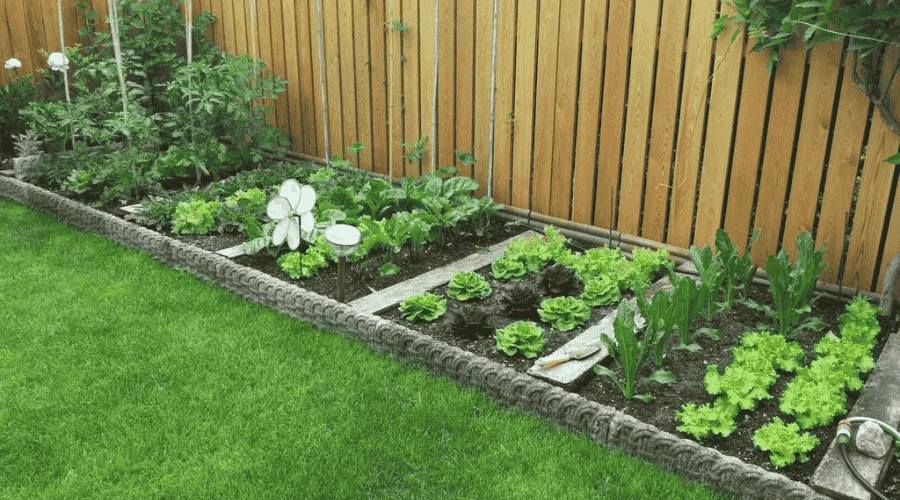
Your vegetable garden is a different conversation
Vegetables are less about cold recovery and more about weather timing.
In Florida, spring vegetable gardening is often a race against heat, humidity, and pest pressure.
If you are planting tomatoes, peppers, squash, cucumbers, beans, basil, or other warm season crops now, fertilizer can absolutely be part of the plan, but it should be tied to the growth stage rather than panic about winter.
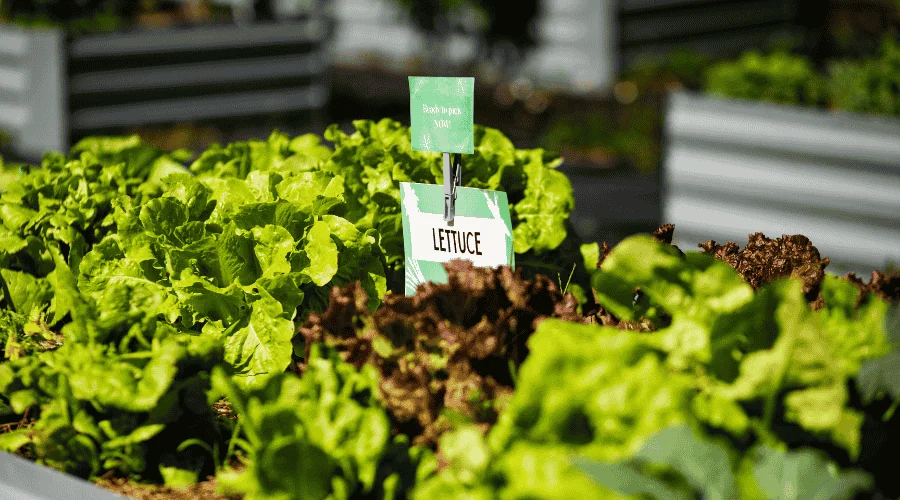
For a new vegetable bed, start with the soil. Mix in compost first. Then, depending on the crop, use a starter fertilizer or balanced vegetable fertilizer at planting. Once transplants are settled in and growing, you can side dress as needed.
Leafy greens may still be fine for a bit depending on the weather, but many spring vegetables are about getting established now before late spring and early summer become more stressful. That is the real clock, not the freeze. Vegetables care much more about rising temperatures, day length, and the fact that Florida can go from pleasant to punishing pretty quickly.
Tomatoes are a good example. Too much nitrogen early gives you a big leafy plant with fewer flowers. Squash and cucumbers will grow fast if fed well, but they also move fast into pest territory, so healthy growth needs to be balanced with scouting. Herbs are often happier with lighter feeding than people expect.
In other words, feed the vegetable garden to support production, not just foliage.
Timing matters as much as product
Whatever you are feeding, do not do it right before heavy rain. Florida soils are sandy, spring storms are unpredictable, and nutrients move fast. If a soaking rain is coming, wait.
Feed when the soil has some moisture, plants are actively growing, and you have a reasonable stretch of calm weather ahead. Water in if the label recommends it, but do not flood the area.
Spring is the season for smart feeding, not automatic feeding
This is really the heart of it. Spring fertilizing is not about doing the whole yard in one weekend because the calendar flipped. It is about noticing what is ready.
Feed the lawn if it is actively growing. Feed ornamentals that are clearly flushing. Feed palms with the products they actually need. Feed vegetables based on growth and production timing, not because everything else is getting fed too.
And do it all with one eye on the weather and one eye on the calendar, because once June 1 arrives, the fertilizer ban begins and runs through September 30 to protect the Indian River Lagoon.
This spring feels a little different because of the freeze. Some parts of the landscape are back on track. Others are still recovering. That makes this a good year to slow down and fertilize with intention.
Not everything needs the same thing. Not everything needs it right now. And some of the smartest gardening choices you can make in spring will reflect in your landscape the rest of the year.