Turning Dead Garden Spots (and Tired Pots) into Fresh Starts
By Amanda Rose Newton
Spring planting doesn’t really begin with plants. Soil is really where the action is. Whether you’re reviving bare patches in the garden or refreshing containers that struggled last season, a little soil prep now sets the stage for healthier roots, stronger growth, and fewer problems later.
If your garden has “dead spots,” compacted areas, or pots that just never seemed to thrive, this is your moment to reset.
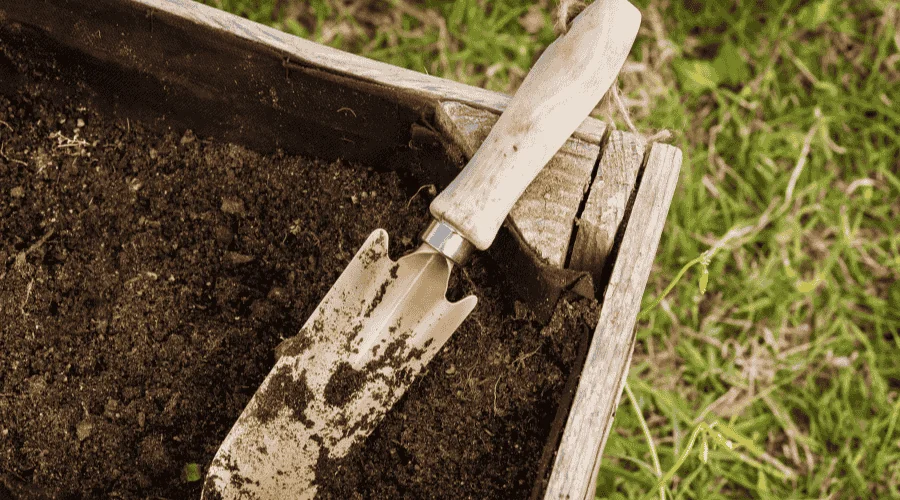
Reclaiming Dead Spots in the Garden
Bare or struggling areas usually tell a story. Before adding new plants, take a moment to diagnose and determine the narrative of what is happening underneath the ground. Generally, dead spots are caused by foot traffic, poor drainage/standing water, nutrient depletion, or too much sun or shade. If your home is older, it is possible that old roots were left behind after prior tree or shrub removal, which also makes it difficult for new plants to thrive.
Whatever the diagnosis turns out to be, here is a step-by-step way to take control of the dead spots in your landscape:
- Clear it out
Remove old roots, weeds, rocks, and any compacted debris. - Loosen the soil deeply
Use a garden fork or broadfork to loosen soil 8–12 inches deep. Avoid pulverizing as roots like structure. - Add organic matter
Mix in compost, leaf mold, or well-aged manure. This improves:- Water retention
- Drainage
- Microbial life
- Nutrient availability
- Level and rest
Let the area sit for a few days, if possible, before planting. Soil biology benefits from a short “breathing period.”
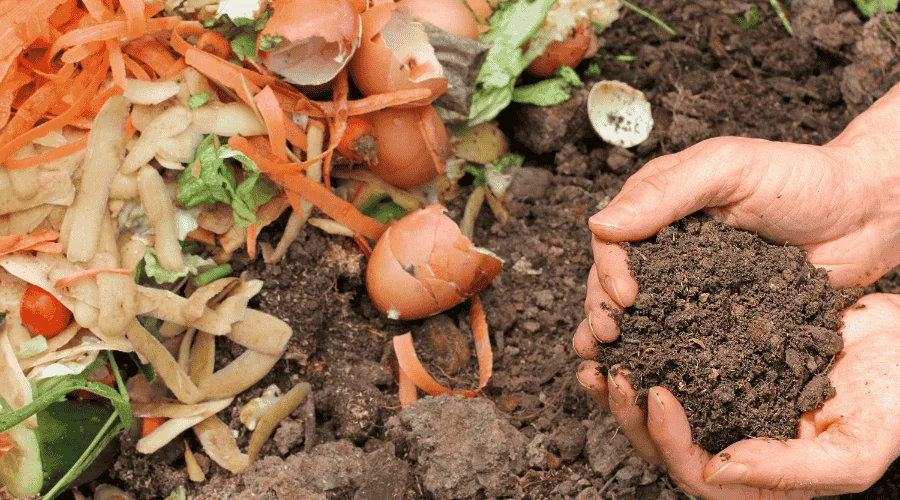
Why Garden Soil and Potting Soil Are Not the Same Thing
While it would be so much more economical and efficient if you could use potting mix as garden soil and vice-versa, their structure implies their function.
In-Ground Soil
- Anchors plants
- Relies on earthworms and microbes (bacteria, fungi, etc.)
- Holds nutrients long-term
- Drains more slowly
Potting Mix
- Must drain quickly (no earthworms here!)
- Needs air pockets for container roots
- Breaks down faster
- Is usually soil-less by design
Never use garden soil in containers!
It compacts, suffocates roots, and often leads to root rot.
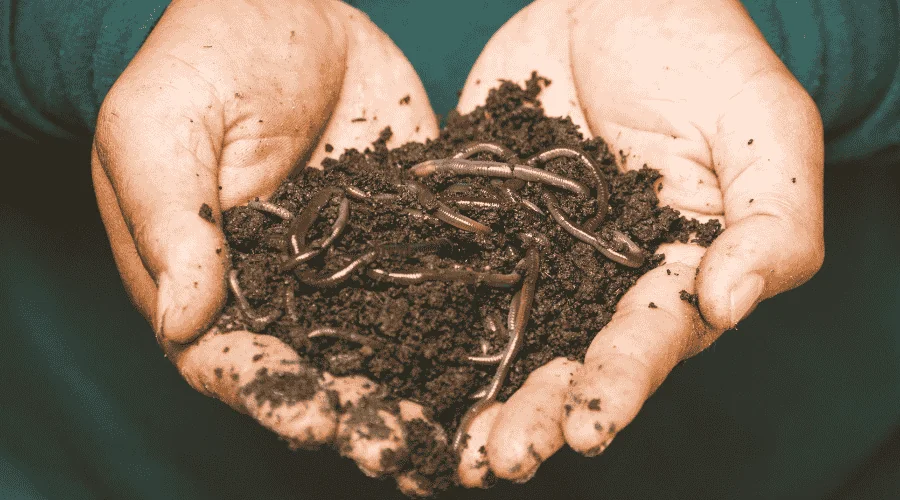
Spring Reset for Potted Plants
Spring is the perfect time to start plants in pots or to repot plants you have had for years. Plants are actively growing and less likely to be shocked by the changes. This goes for both houseplants and your outdoor perennials.
For Repotting:
- Remove the plant gently! loosen roots
- Shake off old, broken-down mix
- Trim dead roots if needed
- Replant with fresh potting mix
For New Pots:
- Scrub with water (and vinegar if needed), especially if it is being reused
- Check the drainage holes; if it doesn’t have any, make some with a drill!
- Start fresh with the soil! Reusing isn’t typically a great idea unless refreshed
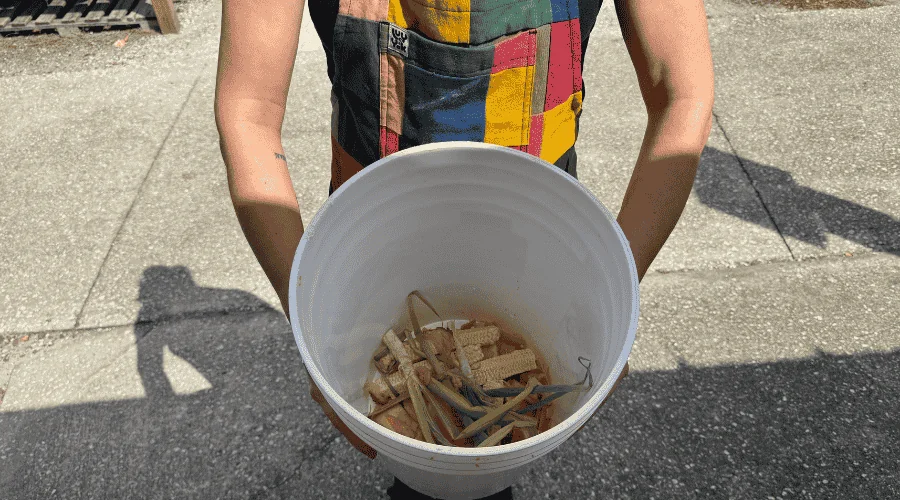
DIY Potting Mix: Renewable, Custom, and Surprisingly Easy
Making your own potting mix lets you:
- Control ingredients
- Avoid peat-heavy commercial mixes
- Customize for different plants
- Save money over time
DIY Potting Mix Recipe
Base Recipe (General Purpose):
- 2 parts compost (or composted pine bark nuggets)
- 1 part coconut coir (renewable alternative to peat)
- 1 part perlite or vermiculite
Optional Add-Ins:
- A handful of worm castings for nutrients
- Crushed eggshells (calcium boost)
- A small amount of sand for succulents or herbs
The Base Players:
- Compost = nutrients + microbes
- Coconut coir = moisture retention without compaction
- Perlite = drainage and air space
- Vermiculite = moisture and nutrient holding (better for thirsty plants)
Garden Bug Pro Tip: Use more perlite for plants that hate wet feet; more vermiculite for moisture-loving plants!
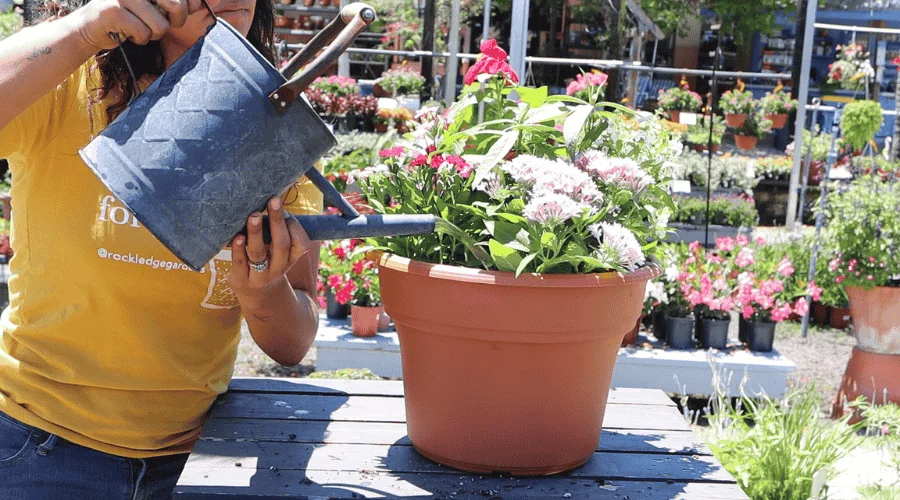
Why Make Your Own Soil Mix?
Commercial potting mixes are convenient, but they’re often:
- Heavy on the peat, which is non-renewable
- Inconsistent between bags
- Quickly depleted of nutrients
Homemade mixes:
- Support sustainability
- Can be tuned for vegetables, flowers, shrubs, trees, or houseplants
- Improve root health long-term
- Encourage better water management
Once you make your own mix a few times, you will start seeing how roots respond and will choose it over everything else.
Plants can only be as healthy as the soil they grow in. Taking time now, before spring planting is in full swing, means you will have fewer problems later, stronger plants, and better results all season long.