By Amanda Rose Newton
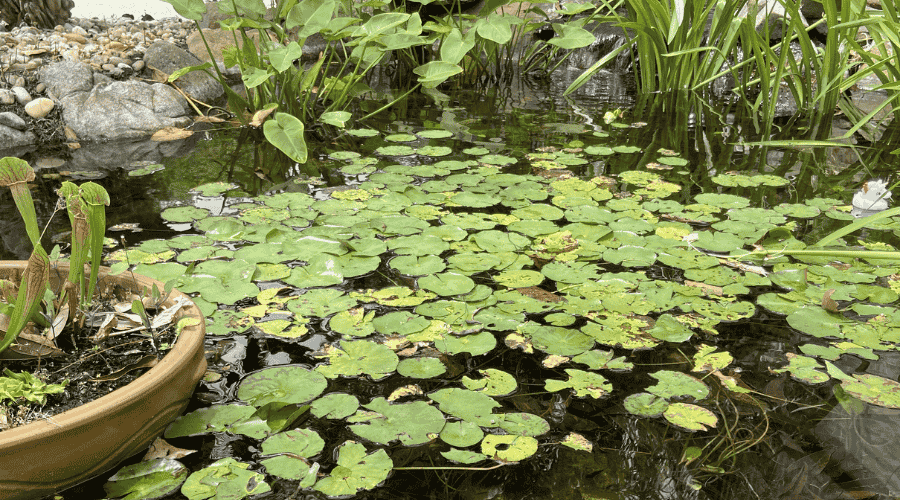
Water gardens look complicated, but they are surprisingly approachable, even in Florida’s intense summer heat. Whether you have space for a small patio container or a full backyard pond, a water garden can be one of the most forgiving (and rewarding) features you add. Water gardens offer fewer weeds, fewer irrigation worries, and visits from a diverse range of wildlife.
Water Gardens Are Easier Than You Think
A few reasons they work especially well in Central Florida:
- Water helps buffer temperature swings (your plants don’t dry out as fast)
- Fewer traditional weeds, since there are no lawn grass creeping in
- Many aquatic plants are vigorous growers in our climate
- You can scale up or down. You can start from a ceramic pot and move to a lined pond
If you can grow a container garden, you can grow a water garden.
Start Small: You Do Not Need a Full In-Ground Pond!
You have three easy entry points to the world of ponds:
1. Container Water Garden
- Large ceramic pot, whiskey barrel, or stock tank
- 12–24 inches deep is ideal
- Great for patios and renters
2. Preformed or Lined Pond
- Flexible liner or rigid insert
- Allows for shelves (important for plant placement)
3. Naturalistic Pond
- Larger space, often with fish and filtration
- More of a long-term project
Garden Bug Pro-Tip: Start with a container. You can always go bigger later.
The Must-Know Basics for Success
Soil + Fertilizer
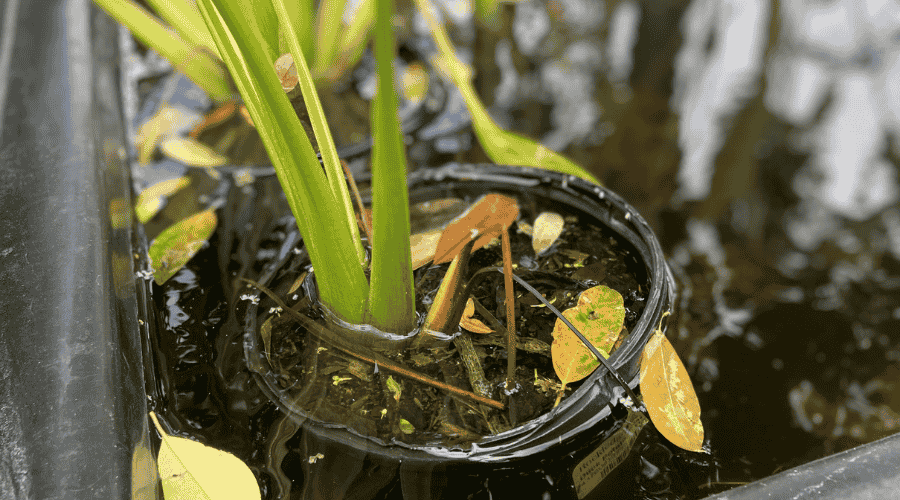
- Use heavy garden soil or aquatic soil (potting mix will float!)
- Add pond fertilizer tabs every 3–4 weeks during the growing season
- Push tabs into the soil near plant roots for best results
Sunlight
- Most flowering aquatics need 6+ hours of sun
- Some foliage plants tolerate partial shade
Water Depth Matters
- Different plants prefer different depths (more below)
- Use bricks or upside-down pots to raise/lower containers as needed
Top Water Garden Plants for Central Florida
Show Stopping Flowers
- Lotus (Nelumbo spp.)
- Iconic, dramatic leaves and blooms
- Best in larger containers
- Goes dormant in winter, returns in spring
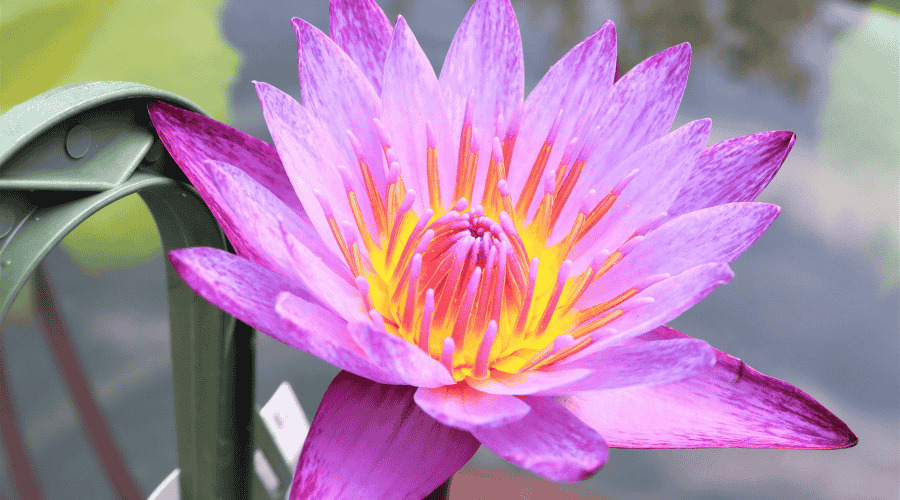
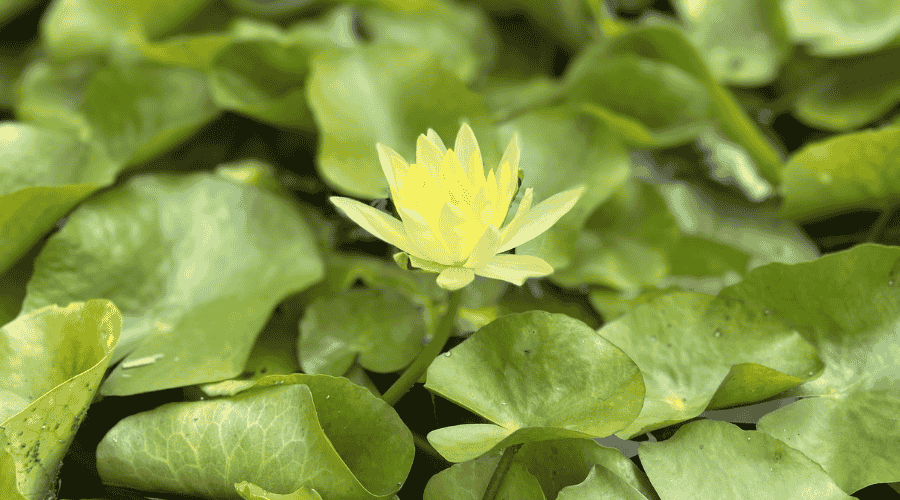
- Water Lilies (Nymphaea spp.)
- Floating leaves, continuous blooms
- Hardy and tropical types available
- Helps shade water which reduces algae
Classic Tropical Vibes
- Papyrus (Cyperus spp.)
- Tall, airy, dramatic
- Thrives in shallow water or wet soil
- Thalia (Thalia dealbata)
- Silvery-blue foliage, purple flowers
- Native-adjacent feel, very Florida-friendly
- Ornamental Bananas (Musa spp.)
- Not truly aquatic, but LOVE wet conditions
- Perfect for in-ground pond edges
- Adds a lush, unexpected look
Underused & Fun Additions
- Pickerelweed (Pontederia cordata)
- Native, pollinator-friendly
- Purple flower spikes
- Arrowhead / Duck Potato (Sagittaria spp.)
- Native, edible tubers historically
- Great for naturalistic designs
- Floating plants (use caution)
- Water lettuce, frogbit
- Provide shade and texture but can overtake quickly!
Frogs, Wildlife, and Other Pond Visitors
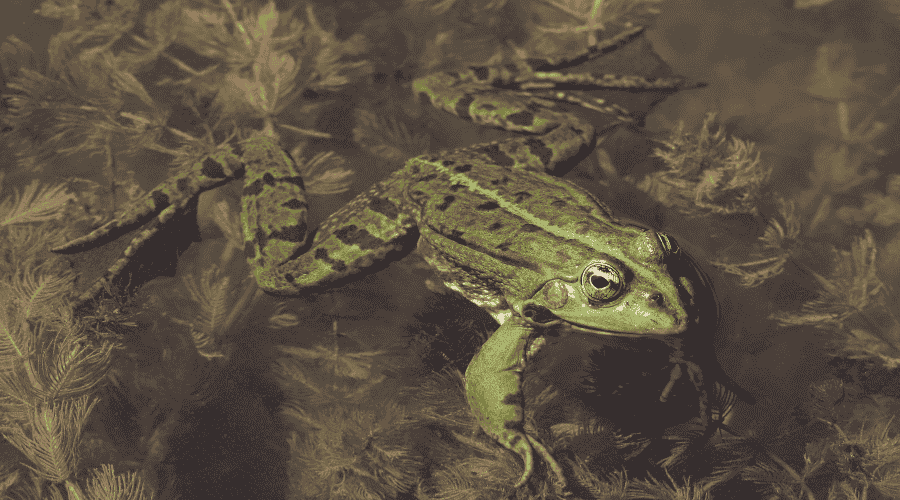
Short answer: yes, you will get visitors, and that is a good thing!
- Frogs help control insects (including mosquitoes)
- Dragonflies will likely appear too and are even better mosquito control!
- Birds may visit for drinking/bathing and viewing
If you don’t want frogs:
- Avoid dense plant cover
- Use a small fountain to keep water moving. This reduces the desire to lay eggs.
But most people end up loving the wildlife, despite the noise.
Managing Invasive Plants
Some aquatic plants are illegal or highly invasive in Florida waters.
Avoid:
- Water hyacinth (Eichhornia crassipes)
- Hydrilla (Hydrilla verticillata)
Even common floating plants like water lettuce can spread if dumped improperly.
Best practices:
- Never dump pond contents into natural waterways
- Compost or bag plant waste
- Buy from reputable local nurseries or garden centers familiar with Florida regulations, like Rockledge Gardens.
Simple Maintenance Routine
Water gardens are lower maintenance than you might expect! Here are some general tips broken out by week, month, and season:
Weekly (5–10 minutes):
- Top off water if needed
- Remove dead leaves
Monthly:
- Add pond fertilizer tabs
- Thin out fast-growing plants
Seasonally:
- Divide overcrowded plants
- Refresh soil every 1–2 years
Algae tips:
- Add more shade! Plants like water lilies help a lot here.
- Avoid over-fertilizing, as this influences algae just as much as plants
- A small fountain can improve water quality and reduce algal blooms
Water gardening does not have to be complicated or expensive. A single container, a few well-chosen plants, and basic care are enough to get started.
In Central Florida, the conditions do most of the work for you. Plants grow quickly, fill in fast, and create that lush look with very little effort.
Start small, keep it simple, and let it grow from there.