By Amanda Rose Newton
Not all herbs are delicate, leafy plants destined for a single growing season. Some are the steadfast residents of the garden, developing sturdy stems, fragrant foliage, and personalities that only improve with age. Rosemary, thyme, sage, and lavender are familiar examples of woody or semi-woody herbs, plants that offer far more than a handful of fresh seasoning.
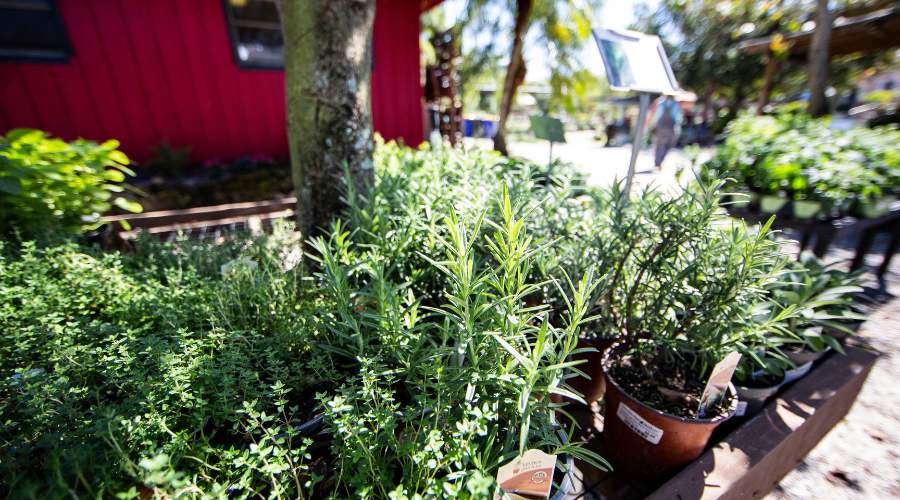
Unlike their soft-stemmed relatives, woody herbs develop lasting structures that influence everything from their root systems to how they should be pruned and harvested. Understanding these differences is the secret to keeping these fragrant garden companions happy, healthy, and productive for seasons to come.
What Makes an Herb Woody?
The primary difference between woody and herbaceous herbs is the structure of their stems and how they grow over time.
Woody herbs develop stems containing lignin, a compound that provides rigidity and structural support. As these plants mature, their older stems become firmer and more bark-like, allowing them to maintain a persistent framework of branches rather than dying back completely at the end of a growing season.
Rosemary is an excellent example. Young rosemary shoots are green and flexible, but older branches gradually become thick and woody. Over time, the plant develops into a compact or spreading shrub, depending on the variety.
Thyme follows a similar pattern on a smaller scale. Although its delicate leaves and low-growing habit may make it appear herbaceous, older thyme stems become woody near the base.
In contrast, herbs such as basil, cilantro, and parsley have predominantly soft, nonwoody stems. These plants generally have shorter productive lifespans, although their growth habits vary. Basil is commonly grown as an annual, cilantro is a cool-season annual, and parsley is botanically a biennial.
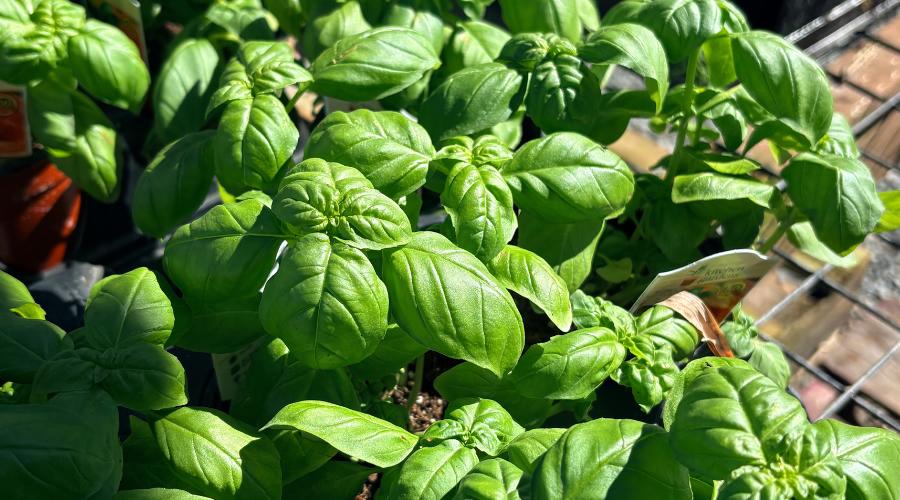
Woody herbs are often perennial, allowing gardeners to harvest from established plants over multiple growing seasons when conditions are favorable.
Root Systems and Growing Conditions
One of the most useful distinctions between woody and herbaceous herbs involves how their root systems develop and respond to growing conditions.
Many woody Mediterranean herbs, including rosemary, thyme, and lavender, are adapted to environments with relatively dry summers and soils that drain quickly. Established plants may develop extensive, branching root systems that help them access moisture and remain productive through periods of limited rainfall.
However, woody stems do not automatically mean that a plant has deeper roots than a herbaceous species. Root depth and structure depend on the individual plant, soil conditions, available moisture, and whether the herb is growing in the ground or a container.
The more important consideration for gardeners is how these roots respond to water and oxygen in the soil.
- Woody Mediterranean herbs: Rosemary, thyme, and lavender generally prefer well-drained soil and are sensitive to prolonged saturation. Once established, many tolerate periods of dryness relatively well.
- Tender, leafy herbs: Basil and parsley often grow more vigorously with consistent moisture and relatively fertile soil. Their abundant foliage can lose water quickly, making regular irrigation especially important during warm weather.
- Container-grown herbs: Both groups need adequate drainage, but Mediterranean herbs are particularly vulnerable when water accumulates around their roots.
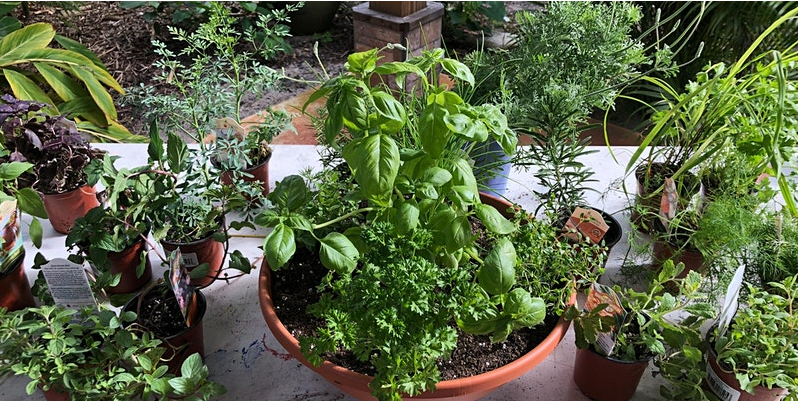
For Florida gardeners, these differences matter. Sandy soils often provide good drainage, but frequent summer rainfall, high humidity, and irrigation practices can create challenges for Mediterranean herbs. Planting in raised beds, using containers with drainage holes, and avoiding excessive watering can help maintain healthy roots.
Popular Woody Herbs for the Garden
Several woody and semi-woody herbs offer both culinary and ornamental value. While they share some structural characteristics, each has its own growth habits and preferred conditions.
Rosemary
Rosemary is an evergreen shrub with narrow, aromatic leaves and a distinctive pine-like fragrance. Its woody branches provide structure in herb gardens, borders, and containers. It’s also one of those wonderful plants that rewards a gentle brush of the hand with an unmistakable burst of fragrance.
- In the kitchen: Roasted vegetables, potatoes, breads, and savory dishes. Sturdy stems can even serve as aromatic grilling skewers.
- In the garden: Full sun, sharply drained soil, and good air circulation. Careful watering is especially important during Florida’s humid weather.
Thyme
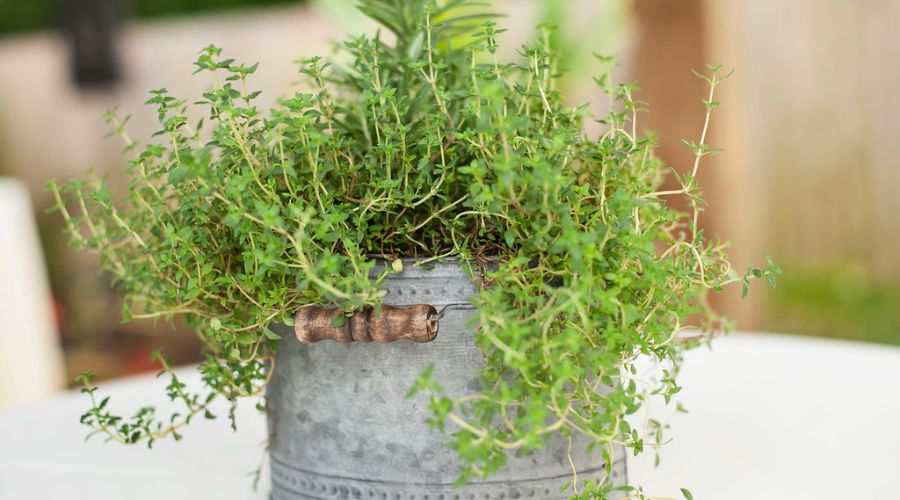
Thyme is a low-growing perennial herb that gradually develops woody stems near its base. Depending on the variety, it may form compact mounds or spread along the ground making it a nice alternative to turf. Small in stature but generous in fragrance, thyme proves that a plant doesn’t need to be tall to make an impression.
- In the kitchen: Soups, sauces, roasted vegetables, and herb blends.
- In the garden: Sunny locations and excellent drainage. Containers and raised beds can help protect its roots from prolonged wet conditions.
Sage
Common culinary sage develops a woody or semi-woody base as it matures, supporting its soft, textured, aromatic leaves. Its silvery-green foliage adds a lovely contrast to brighter green herbs and ornamental plants.
- In the kitchen: Stuffing, roasted vegetables, sauces, and savory dishes.
- In the garden: Well-drained soil and plenty of sunlight. Sage often performs better during Florida’s cooler months, as extended heat and humidity can be challenging.
Lavender
Lavender is valued for its fragrant flowers, silvery foliage, and shrubby growth habit. Its branching stems become increasingly woody with age, creating a compact plant that brings a touch of Mediterranean charm to the garden.
- In the home and kitchen: Dried arrangements, sachets, and, with appropriate culinary varieties, small amounts in baked goods, syrups, and beverages.
- In the garden: Excellent drainage and good air circulation are essential. Florida’s humidity and summer rainfall can make lavender challenging, so variety selection and careful placement are especially important.
Pruning and Harvesting Woody Herbs
Woody herbs benefit from a different approach to pruning than many soft-stemmed herbs.
With basil, gardeners can frequently pinch back tender stems to encourage branching and produce a fuller plant. Woody herbs also respond to selective pruning, but their older stems may not readily produce new growth once the leafy portions have been removed.
A few simple practices can help keep these plants looking their best:
- Trim the green growth. Focus on young, leafy stems rather than cutting deeply into old, bare wood.
- Harvest regularly but lightly. Snipping tender rosemary tips or thyme stems provides fresh herbs while encouraging branching.
- Avoid excessive pruning. Removing too much foliage at once can stress the plant, particularly during periods of extreme heat or other environmental challenges.
- Keep plants compact. Light, regular trimming can help prevent woody herbs from becoming overly leggy.
- Know when to start fresh. Older plants with sparse foliage may be better replaced than subjected to severe pruning.
Think of pruning woody herbs as a little regular grooming rather than an occasional dramatic haircut. A gentle approach generally produces happier plants.
Culinary, Ornamental, and Practical Uses
One of the greatest advantages of woody herbs is their versatility. Their aromatic foliage, persistent stems, and often compact growth habits allow them to serve several purposes in the garden and home.
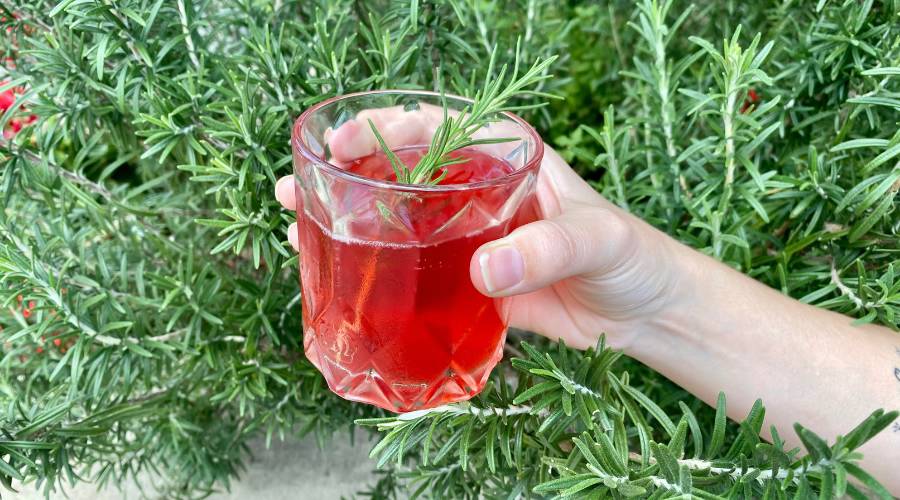
Here are a few ways to make the most of these fragrant plants:
- Fresh culinary herbs: Harvest rosemary, thyme, and sage to season vegetables, breads, sauces, and other favorite dishes.
- Dried seasonings: Many woody herbs retain their fragrance and flavor when dried, making them useful additions to homemade herb blends.
- Landscape accents: Rosemary can provide evergreen structure, while thyme works beautifully in low-growing plantings where conditions are suitable.
- Pollinator gardens: Flowering rosemary, thyme, lavender, and other herbs can provide nectar and pollen for bees and beneficial insects.
- Fragrant decorations: Rosemary and lavender can be incorporated into wreaths, sachets, and dried arrangements.
- Container gardens: Compact varieties are excellent candidates for patios, balconies, and sunny outdoor growing spaces.
Allowing a few herbs to flower can also add seasonal interest and provide resources for visiting pollinators. All of these produce surprisingly beautiful blooms. It’s a lovely reminder that an herb garden can nourish more than just the cook.
Growing Woody Herbs Successfully in Central Florida
Woody herbs can be rewarding additions to Florida gardens, but choosing the right location and understanding their growing preferences are essential.
For rosemary, thyme, and other Mediterranean herbs, the goal is to provide conditions that resemble their naturally sunny, well-drained habitats as closely as possible.
A few important practices include:
- Provide plenty of sunlight. Most Mediterranean woody herbs prefer full sun, although some may benefit from protection during periods of extreme heat.
- Prioritize drainage. Use well-draining potting mixes and containers with drainage holes. Raised beds can also be helpful.
- Water thoughtfully. Water thoroughly when needed, allowing the upper portion of the growing medium to dry between waterings for herbs that prefer drier conditions.
- Avoid excessive fertilizer. Many Mediterranean herbs grow naturally in relatively lean soils. Too much fertilizer can encourage soft growth that is more vulnerable to stress.
- Encourage air circulation. Proper spacing helps foliage dry more quickly after rain and reduces conditions favorable to certain diseases.
- Consider the season. While rosemary may persist for years in a suitable location, thyme, sage, and lavender can struggle during extended periods of heat and humidity. Some gardeners may have greater success growing them during cooler months.
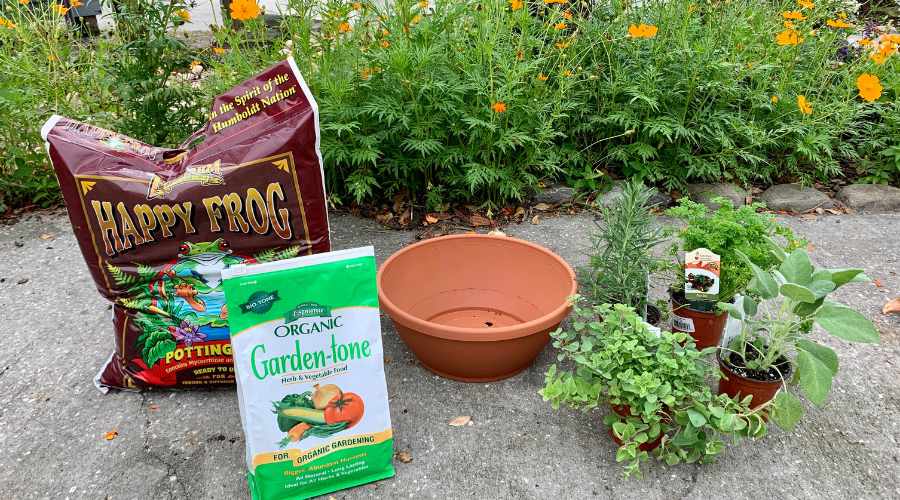
Containers can be especially useful in Florida, allowing gardeners to manage soil conditions and move plants when necessary.
A Lasting Addition to the Herb Garden
Woody herbs bring more than flavor to the garden. Their persistent stems, aromatic foliage, and distinctive growth habits provide structure, fragrance, and opportunities for year-round enjoyment.
Understanding how these plants differ from tender, herbaceous herbs is the first step toward growing them successfully. With attention to drainage, root health, and appropriate pruning, rosemary, thyme, and other woody herbs can become valuable additions to both culinary and ornamental gardens.
Whether you’re planting a fragrant container by the kitchen door or adding a few aromatic shrubs to your landscape, woody herbs offer a wonderful combination of beauty and usefulness. Visit Rockledge Gardens to explore herbs suited to your growing space and discover how these hardworking plants can bring a little more fragrance, flavor, and character to your garden.