By Amanda Rose Newton
If you’ve browsed seed catalogs or visited a local garden center, you’ve likely seen the term “heirloom” attached to vegetables, flowers, and even fruit trees. Heirloom varieties have become increasingly popular among gardeners who value flavor, history, biodiversity, and the ability to save their own seeds. But what exactly makes a plant an heirloom, and how is it different from a cultivar or variety?
Let’s dig into the fascinating world of heirloom plants and learn why seed saving remains an important gardening tradition.
What Is a Heirloom Plant?
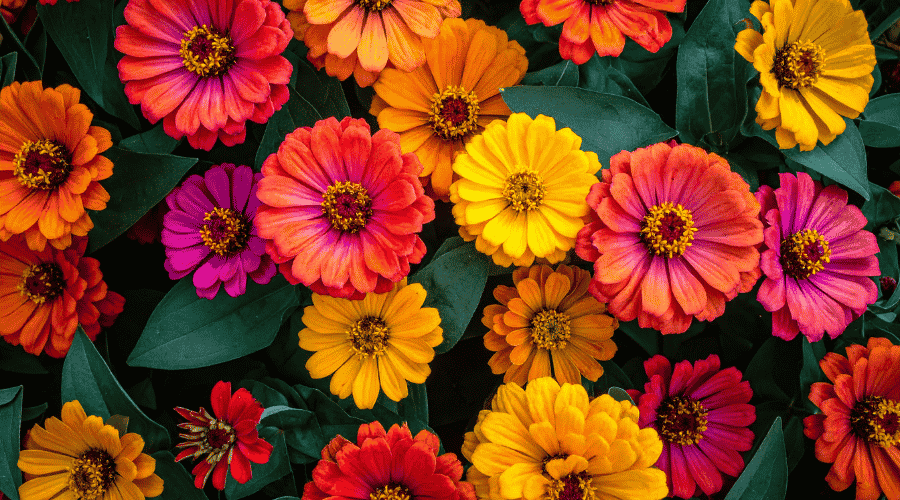
An heirloom plant is a variety that has been passed down through generations and remains genetically stable through seed. While there is no universal definition, most gardeners consider a plant heirloom if it has been grown and maintained for at least 50 years.
Unlike many modern hybrids, heirloom plants are open-pollinated. This means that when plants are pollinated naturally by insects, birds, wind, or self-pollination, their seeds will produce offspring that closely resemble the parent plant.
Many heirloom varieties were developed by farmers and gardeners long before modern plant breeding programs existed. As a result, heirlooms often carry unique stories, regional significance, and characteristics that have been preserved for decades or even centuries.
Heirloom, Variety, Cultivar, and Hybrid: What’s the Difference?
These terms are often used interchangeably, but they have distinct meanings.
Variety
A variety is a naturally occurring variation within a plant species. Varieties develop in nature without direct human intervention and possess characteristics that distinguish them from other members of the species. Natural varieties are botanically abbreviated as “var.” Magnolias, for example, have several naturally occurring varieties.
Cultivar
The word cultivar comes from “cultivated variety.” Cultivars are plants selected and maintained by humans because of desirable traits such as flower color, fruit quality, disease resistance, or growth habit.
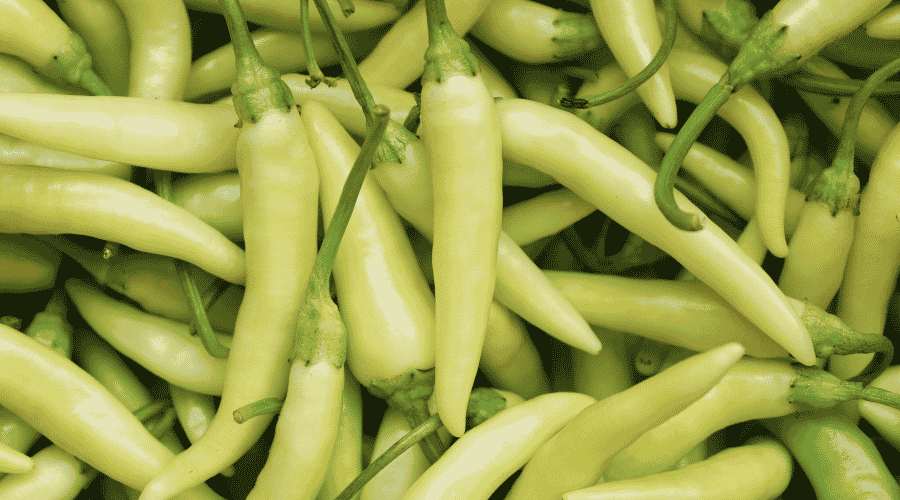
Many ornamental plants sold in garden centers are cultivars. Examples include specially selected crape myrtles, roses, and hydrangeas. Cultivars often have their names in quotations. For a Natchez crape myrtle, its species name would be Lagerstroemia ‘Natchez’.
Hybrid
Hybrid plants result from intentionally crossing two different parent plants. Plant breeders create hybrids to combine desirable traits such as disease resistance, productivity, uniformity, or heat tolerance. Species names for hybrids are easy to spot, as they will have an “x” (like a multiplication symbol) in between them.
Seeds collected from hybrids usually do not grow “true-to-type.” The next generation may display a mix of characteristics from both parents.
Heirloom
Heirlooms are open-pollinated varieties that have been preserved and shared over many generations. Because they grow true from seed, gardeners can save and replant seeds year after year.
What Makes Heirloom Plants Special?
Many gardeners choose heirloom varieties because of their unique qualities.
Exceptional Flavor
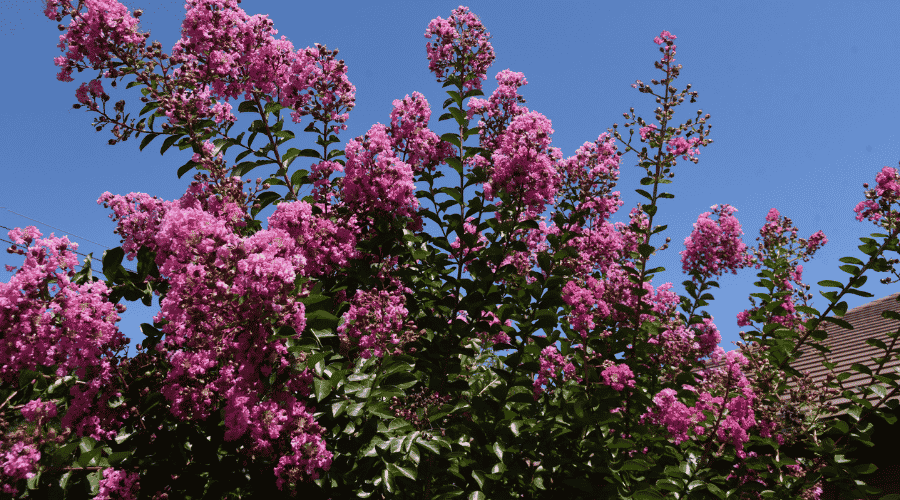
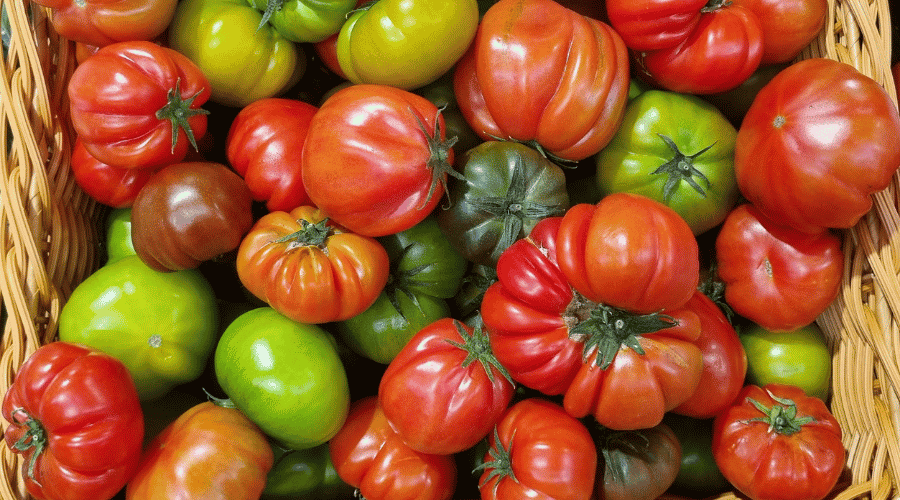
Many heirloom vegetables were selected for taste rather than shipping durability. Heirloom tomatoes, melons, and peppers are often prized for their rich flavors.
Genetic Diversity
Heirloom varieties help preserve plant diversity. Maintaining many different varieties provides valuable genetic resources that may become important for future breeding efforts.
Historical Significance
Some heirloom varieties have been cultivated for generations within specific families, regions, or cultures. Growing heirlooms allows gardeners to participate in preserving agricultural history.
Seed Saving Opportunities
Because heirloom plants grow true from seed, gardeners can harvest and save seeds to use in future seasons.
Can You Create Your Own Heirloom?
Technically, you can! It is not a fast process, though.
Every heirloom variety began as a plant with desirable traits that someone decided to preserve. If you consistently save seeds from plants that perform exceptionally well in your garden, you are participating in the same process.
Over many generations, a gardener may select for characteristics such as:
- Heat tolerance
- Drought resistance
- Disease resistance
- Fruit quality
- Productivity
Eventually, those selections can become a locally adapted strain or even a new heirloom variety.
While it takes many years to establish a truly stable line, gardeners can absolutely contribute to the development of future heirlooms.
Why Seed Saving Matters
For thousands of years, gardeners and farmers saved seeds from their best plants. Modern seed companies now provide tremendous convenience, but seed saving remains valuable for several reasons.
Preserving Rare Varieties
Some heirloom varieties are available only because generations of gardeners saved and shared seeds.
Reducing Costs
Saving seeds can significantly reduce gardening expenses over time. Seeds are not cheap!
Developing Locally Adapted Plants
Plants grown and selected under Central Florida conditions may gradually become better adapted to local heat, humidity, rainfall patterns, and pest pressures.
Building Resilience
Maintaining diverse plant genetics helps reduce dependence on a limited number of commercial varieties.
How to Save Heirloom Seeds
Seed saving can be surprisingly simple.
Start with Open-Pollinated Plants
Always verify that the plant is open-pollinated or heirloom. Saving seeds from hybrids often produces unpredictable results. If you have ever tried to re-plant grocery store produce you have likely experienced this.
Select Healthy Plants
Choose vigorous plants with desirable characteristics.
Avoid saving seeds from:
- Diseased plants
- Weak plants
- Poor producers
Allow Seeds to Mature Fully
Seeds should remain on the plant until fully mature whenever possible.
Examples:
- Beans and peas should dry on the plant.
- Lettuce should produce seed heads.
- Tomatoes should fully ripen.
Clean and Dry Seeds
Remove plant debris and allow seeds to dry thoroughly before storage.
Properly dried seeds are less likely to develop mold.
Store Correctly
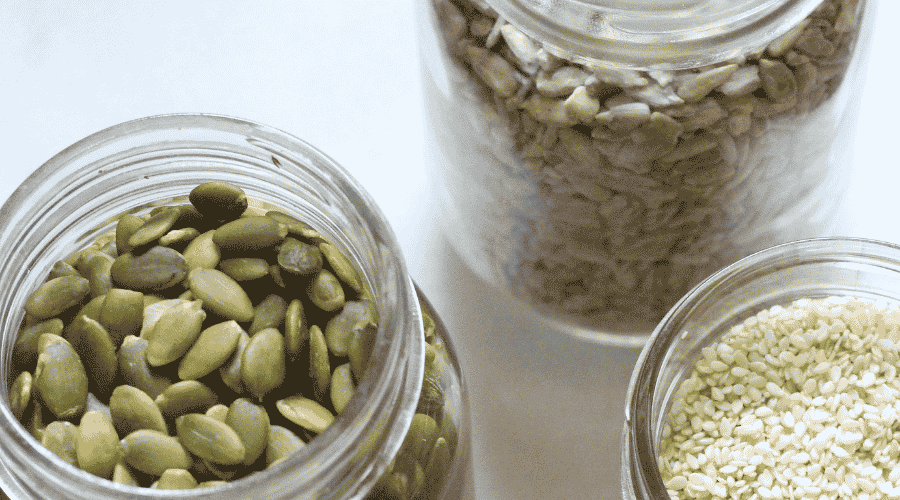
Store seeds in:
- Paper envelopes
- Glass jars
- Airtight containers
Keep them in a cool, dark, dry location.
Many gardeners use refrigerators for long-term storage, but this is not 100% necessary.
Best Heirloom Vegetables for Central Florida
Several heirloom vegetables perform well in our climate:
Seminole Pumpkin
Perhaps Florida’s most famous heirloom, Seminole pumpkin was cultivated by Indigenous peoples and thrives in heat, humidity, and sandy soils.
Everglades Tomato
This small-fruited tomato produces abundantly in Florida’s challenging climate and demonstrates remarkable disease tolerance.
Clemson Spineless Okra
A Southern favorite that thrives during Florida summers.
Georgia Southern Collards
Excellent for fall and winter gardens.
Black Beauty Eggplant
A productive heirloom eggplant suitable for warm-season growing.
Tips for Successful Seed Saving
- Begin with self-pollinating crops such as tomatoes, beans, peas, and lettuce.
- Label saved seeds carefully.
- Record harvest dates and variety names.
- Keep different varieties separated when cross-pollination is possible.
- Save seeds from plants that perform well under local conditions.
- Start small and expand your seed-saving efforts each season.
Preserving the Future by Growing the Past
Heirloom plants connect us to generations of gardeners who carefully selected and preserved their favorite varieties. Whether you’re growing a Seminole pumpkin, an Everglades tomato, or a treasured family bean passed down through generations, you’re helping preserve agricultural diversity for the future.
By learning to save seeds and share heirloom varieties, you can continue a tradition that has sustained communities for centuries, one seed at a time.