By Amanda Rose Newton
If you have noticed a bright orange-headed lizard darting across sidewalks, climbing walls, or basking on rocks in Central Florida, you may have spotted an agama lizard. These colorful reptiles are becoming increasingly common in parts of Florida, especially in urban and suburban landscapes. While some gardeners enjoy seeing lizards around the yard, the agama presents a more complicated situation because it is not native to Florida.
Here is what Brevard County gardeners should know about these unusual reptiles, including their potential benefits, drawbacks, and what to do if a few becomes many in your landscape.
What Is an Agama Lizard?
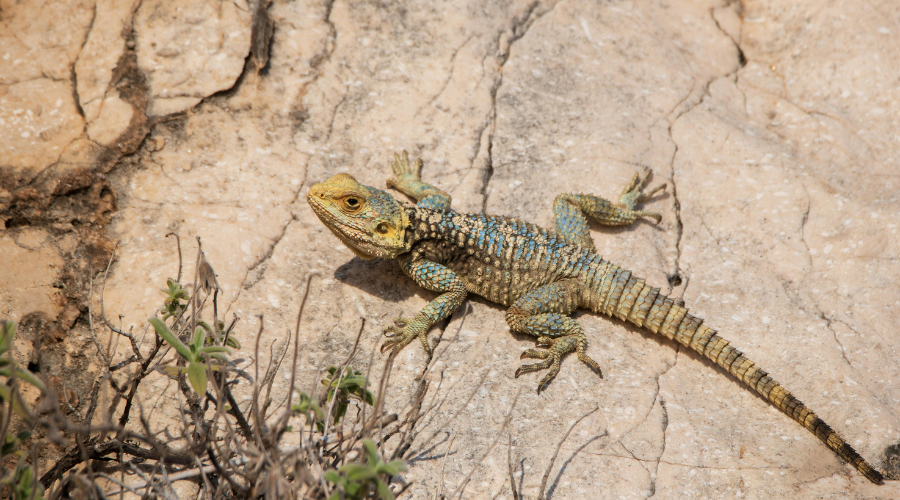
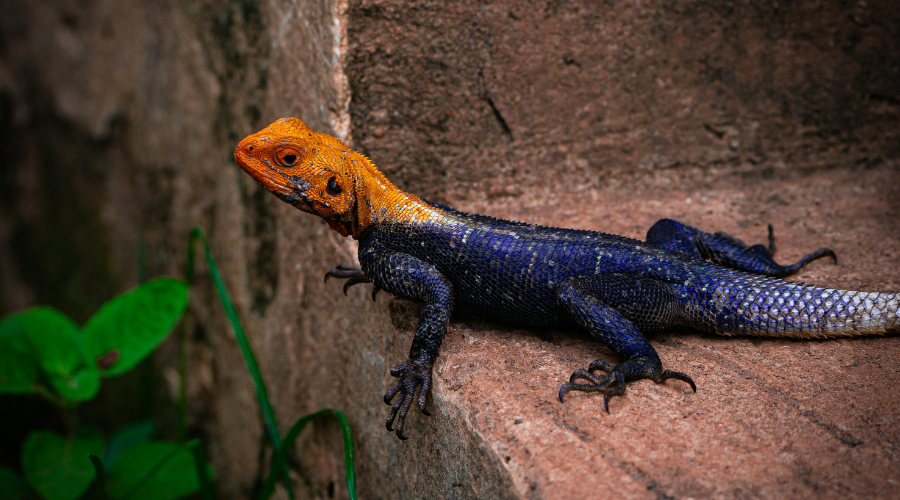
Agama lizards are small to medium-sized reptiles originally native to Africa. The species most commonly seen in Florida is the Peter’s rock agama, sometimes called the African red-headed agama. Males are especially eye-catching during breeding season, with bright orange or red heads and deep blue bodies. Females and juveniles are usually brown or olive in color.
These lizards likely became established in Florida through escaped or released pets. Today, populations can be found throughout parts of Central and South Florida, especially near buildings, rock piles, parking lots, gardens, and roadsides.
Unlike many of Florida’s native green anoles and skinks, agamas tend to prefer warm, open, sunny spaces with plenty of places to hide.
Why Are They Showing Up in Gardens?
Gardens provide almost everything agama lizards need:
- warmth
- shelter
- insects
- water sources
- rocks, wood piles, or walls for basking
Landscapes with decorative stone, retaining walls, mulch beds, palms, and dense shrubs often create ideal habitat. They are especially attracted to areas where insects gather, including around outdoor lights and flowering plants.
Because Central Florida has a mild climate with warm winters, these lizards can remain active much of the year.
Are There Any Benefits?
Like many lizards, agamas are insect eaters. They may help reduce populations of:
- cockroaches
- beetles
- ants
- moths
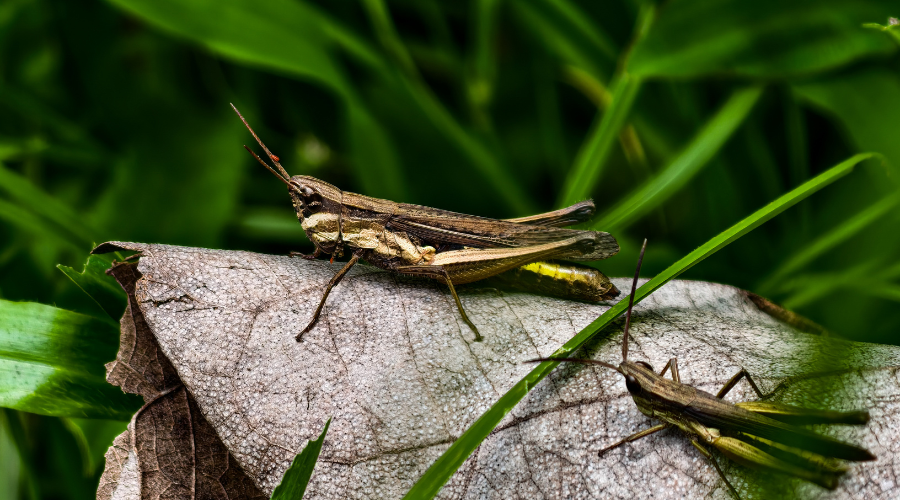
- grasshoppers
- aphids
Gardeners who dislike chemical pest control may appreciate that they consume a variety of insects naturally.
Some people also simply enjoy seeing reptiles in the landscape. Their bright colors and active behavior can make gardens feel lively and extra tropical!
The Downsides of Agama Lizards
Unfortunately, the agama’s status as an invasive species raises concerns.
Competition With Native Lizards
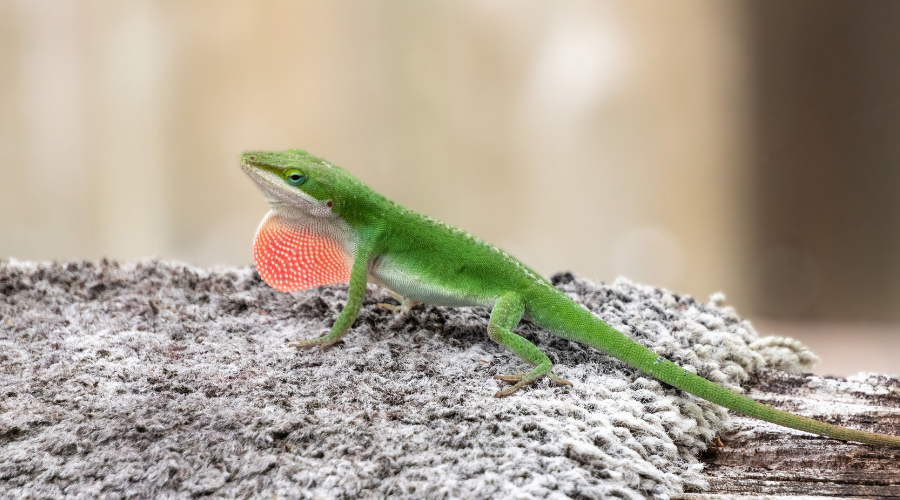
One of the biggest issues is that agamas may compete with native reptiles for food and habitat. Florida’s native green anoles are already under pressure from invasive brown anoles and other nonnative species. Additional competition can further disrupt local ecosystems.
Rapid Population Growth
Agamas reproduce quickly under Florida conditions. A small population can become much larger within a few seasons, especially in neighborhoods where they are protected from predators.
They Can Become Nuisances
Large populations may lead to:
- droppings on patios and walls
- lizards entering garages or screened areas
- startled pets!
- digging around loose mulch or decorative areas
Some homeowners are also uncomfortable with the sheer number of reptiles that may gather in sunny locations. A gathering of lizards is appropriately called a lounge, and that is what a backyard will become with enough members.
Potential Wildlife Impacts
While insect consumption can be beneficial, agamas are opportunistic feeders. They may also consume:
- small native lizards
- eggs
- pollinators
- beneficial insects
This is one reason invasive reptiles can create ecological imbalance over time.
What Should Gardeners Do?
For many gardeners, seeing an occasional agama may not require action. However, if populations begin increasing, management may help prevent long-term establishment.
Agama Management Tips
Remove Hiding Areas
Agamas love crevices and protected spaces. Reducing hiding spots can make landscapes less attractive.
Consider limiting:
- rock piles
- stacked lumber
- dense debris
- clutter near foundations
- gaps beneath sheds
Reduce Outdoor Feeding Opportunities
Outdoor pet food, uncovered trash, and insect-heavy lighting can attract lizards indirectly.
Switching bright white outdoor bulbs to warmer insect-reducing bulbs may help decrease insect activity around patios and walls.
Encourage Native Predators
Florida’s native birds of prey, snakes, and larger wading birds may occasionally prey on young lizards. Diverse landscapes that support native wildlife can help maintain balance naturally.
Avoid Releasing Pet Reptiles
Many invasive reptile problems in Florida began with escaped or intentionally released pets. Never release reptiles into the wild, even if they seem harmless.
Should You Be Concerned?
For most Central Florida gardeners, the agama lizard is currently more of a curiosity than a major threat within the home landscape. However, their spread does reflect Florida’s larger invasive species challenges.
Gardeners can help by:
- learning to identify invasive reptiles
- protecting native wildlife habitat
- avoiding intentional feeding
- monitoring rapidly increasing populations
Florida gardens are already home to an incredible diversity of native lizards, frogs, birds, and pollinators. Supporting those native species remains one of the best ways to maintain a healthy backyard ecosystem.
Native Lizards You May See
Many native or long-established Florida lizards are beneficial additions to the garden, including:
- green anoles
- five-lined skinks
- south eastern fence lizards
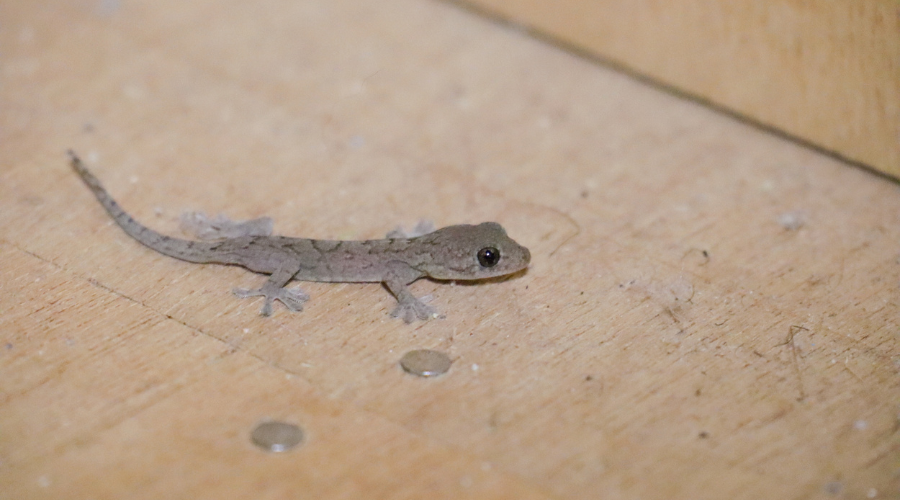
- geckos
These reptiles play important roles in insect control while fitting more naturally into Florida’s ecosystems.
With careful observation and good gardening practices, Central Florida gardeners can enjoy backyard wildlife while helping reduce the spread of invasive species.