By Amanda Rose Newton
Central Florida gardeners are no strangers to hot summers, but this year many of our landscapes entered the season carrying damage from the unusually cold weather we experienced in January and February. Tropical ornamentals browned overnight, fruit trees lost tender branches, and many plants that normally thrive in our climate have spent the last several months slowly trying to recover.
Now, just as they are beginning to bounce back, they are facing another challenge: Florida’s summer heat! High temperatures, intense sunshine, heavy rains, and high humidity can all place additional stress on plants that are already using much of their stored energy to replace damaged leaves and branches.
The good news is that many freeze-damaged plants can recover beautifully. They simply need a little patience and the right care during the hottest part of the year.
Recovery Takes Longer Than Most Gardeners Expect
One of the biggest misconceptions after a freeze is that damaged plants should either recover quickly or be removed.
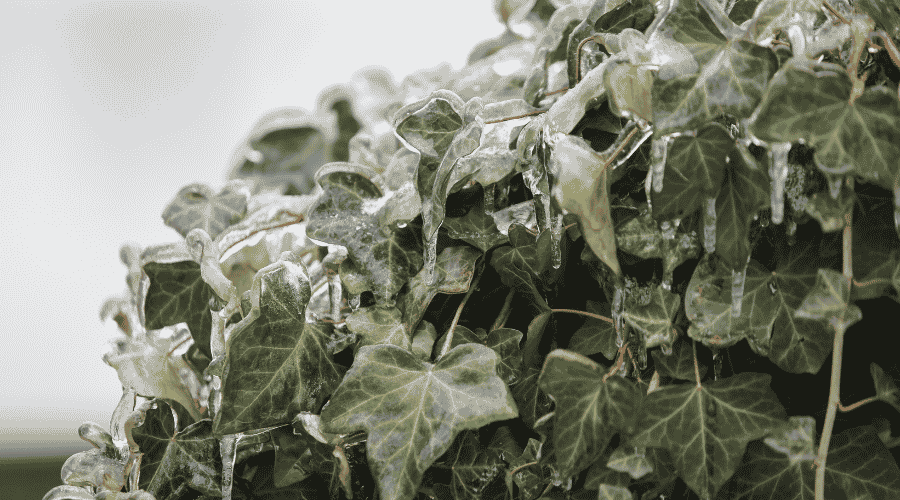
In reality, many woody shrubs and trees don’t reveal the full extent of their freeze damage until weeks, or even months, after the cold weather has passed. A branch that looked healthy in March may slowly die back during April or May, while another branch may suddenly begin producing vigorous new growth in June.
Plants are constantly evaluating which tissues survived and where they should invest their stored energy. This process takes time.
Even now, in late June and early July, it is completely normal to see new shoots emerging from trunks, major limbs, or even from the base of the plant.
Patience is often one of the most valuable gardening tools!
Not Every Plant Recovers at the Same Speed
One reason gardeners become concerned is that neighboring plants often recover at completely different rates. A hibiscus across the street may already be covered in flowers while your croton or mango still looks sparse.
This doesn’t necessarily mean something is wrong.
Some plants naturally replace damaged growth very quickly, while others spend weeks or months rebuilding their root systems before producing significant new foliage.
Some of the faster “recoverers” include:
- Hibiscus
- Firebush
- Pentas
- Lantana
- Confederate jasmine
- Plumbago
Meanwhile, slower-growing plants may still be recovering well into summer, including:
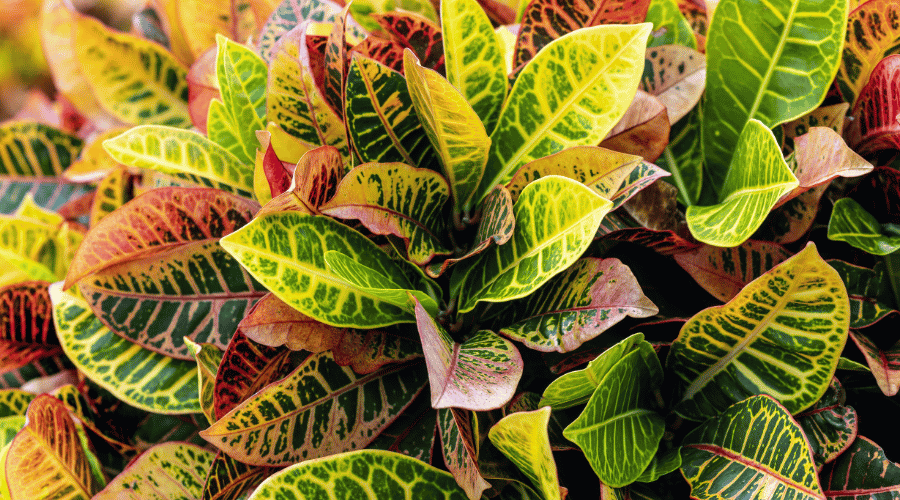
- Crotons
- Schefflera
- Ixora
- Fiddle-leaf fig
- Black olive trees
- Many palms
- Mango trees
- Avocado trees
- Tropical hibiscus standards (tree-form)
- Bougainvillea that experienced severe dieback
Each species has its own growth strategy. Some prioritize replacing leaves immediately, while others first rebuild damaged roots and stored energy reserves before producing new branches.
Try not to compare one plant to another. Recovery timelines vary widely, even between plants growing in the same yard.
Water Wisely During the Summer
Although recovering plants need consistent moisture, they don’t necessarily need excessive watering.
Freeze-damaged plants often have fewer leaves, meaning they lose less water through transpiration. However, Central Florida’s combination of intense heat, sandy soils, and unpredictable rainfall can quickly dry the root zone between afternoon storms.
Aim for deep, infrequent watering rather than light daily irrigation.
A few guidelines include:
- Water deeply during dry periods.
- Check soil moisture before watering after heavy rains.
- Allow the top inch or two of soil to dry slightly before watering again.
- Monitor newly planted trees and shrubs more closely than established landscape plantings.
Healthy roots are the foundation of successful recovery.
Refresh Your Mulch
One of the easiest ways to reduce stress on recovering plants is to maintain a healthy layer of mulch.
A two- to three-inch layer of organic mulch helps:
- Keep soil temperatures cooler.
- Reduce moisture loss.
- Suppress weeds that compete for water and nutrients.
- Improve soil structure as it gradually decomposes.
Keep mulch several inches away from trunks and stems to reduce the risk of rot and discourage insect pests.
Resist the Urge to Over-Fertilize
When plants look stressed, fertilizer often seems like the obvious solution.
Unfortunately, too much fertilizer, especially nitrogen, can actually slow recovery by encouraging rapid, tender growth before the plant has rebuilt a healthy root system.
That new growth is often more attractive to aphids, scale insects, mealybugs, and other common pests.
Instead:
- Put fertilizing on the back burner until after the fertilizer ban ends in October. Remember, in Brevard County the ban starts in June to help protect our local waterways.
- Follow label directions carefully when you do, and choose a moderate nitrogen amount.
- Consider adding compost or organic matter to improve soil health naturally in the meantime.
Recovery is going to take some time.
Continue Pruning Carefully
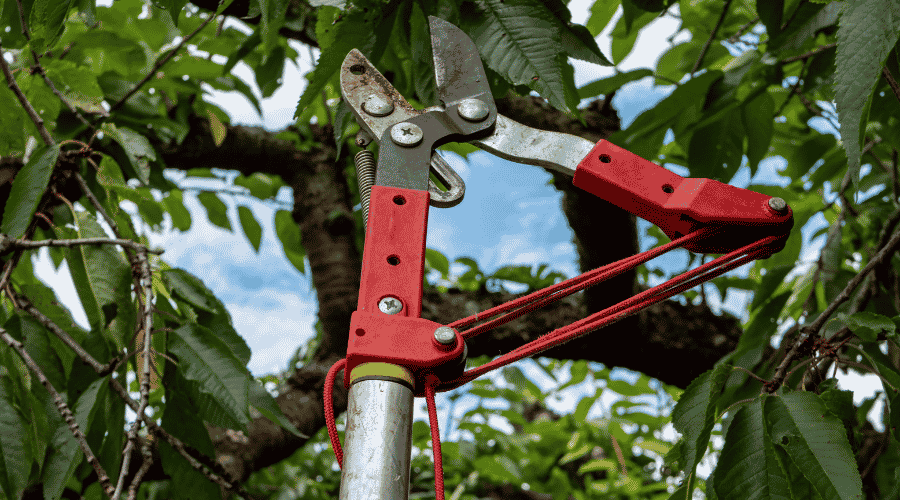
By summer, most obviously dead branches can safely be removed, but avoid aggressively reshaping recovering plants.
If you’re unsure whether a branch is still alive, gently scratch the bark with your fingernail.
- Green tissue underneath indicates living wood.
- Brown, dry tissue usually indicates dead tissue.
Allow new growth to develop before making major structural pruning decisions.
Many plants naturally begin rebuilding in unexpected places, and waiting allows you to see which branches are truly worth keeping.
Why Is My Plant Sending Up So Many Shoots?
After a freeze, many plants respond by producing vigorous new shoots from the trunk, larger branches, or even from the base of the plant. These are often called water sprouts when they emerge from branches or the trunk, while shoots arising from the base are commonly called basal shoots or suckers.
Although these shoots can look messy, they are usually a sign that the plant is recovering.
When freezing temperatures destroy leaves and branches, the plant suddenly loses much of its ability to produce food through photosynthesis. Dormant buds that may have remained inactive for years suddenly begin growing to replace the lost canopy.
These shoots help the plant:
- Restore photosynthesis.
- Replace damaged branches.
- Shade exposed bark.
- Rebuild its canopy more quickly.
Because these shoots often grow much faster than normal branches, they can appear awkward or unbalanced. Resist the temptation to remove all of them immediately.
Instead, allow the plant time to recover. Once it has regained strength, selective pruning can help restore its natural shape.
One important exception involves grafted plants. If new shoots emerge from below the graftunion, they should generally be removed because they belong to the rootstock rather than the desired variety. This is particularly important for many citrus trees, mangoes, avocados, roses, and certain ornamental trees like gardenias.
Protect Exposed Bark from the Summer Sun
Many tropical trees and shrubs lost significant portions of their canopy during the freeze.
Without those leaves providing shade, trunks and larger branches that have spent years protected from direct sunlight may suddenly receive intense afternoon sun.
This can result in sunscald, where bark overheats, cracks, or becomes permanently damaged.
Young fruit trees, citrus, mangoes, avocados, and thin-barked ornamentals are especially vulnerable.
Temporary shade cloth or even white tree wrap can provide protection until the canopy fills back in.
Keep an Eye on Insects
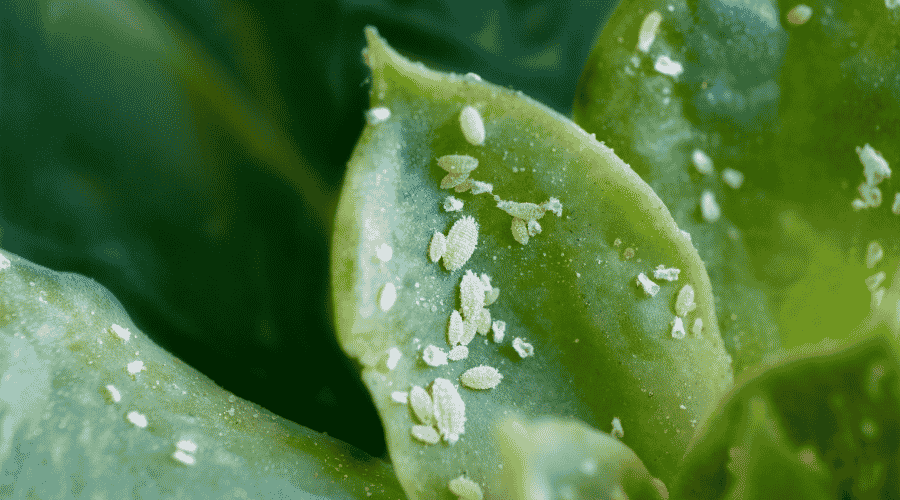
Stressed plants naturally attract opportunistic insects.
Inspect recovering plants every week or two for signs of:
- Scale insects
- Mealybugs
- Aphids
- Spider mites
- Whiteflies
- Ambrosia bark beetles on severely weakened trees
Fortunately, beneficial insects such as lady beetles, lacewings, hoverflies, and tiny parasitic wasps, which are often already present in your landscape, help keep these pests under control.
Treatment is usually only necessary when infestations become severe enough to interfere with recovery.
Give Fruit Trees Permission to Skip a Season
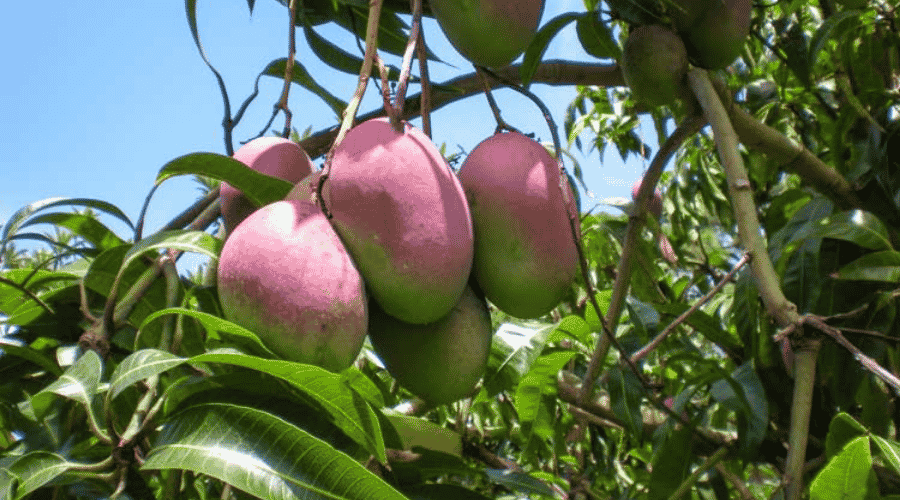
Many tropical fruit trees suffered extensive freeze damage this year.
Mangoes, avocados, bananas, papayas, and even some citrus trees lost flowers, fruit, or entire branches.
While it may be disappointing to harvest fewer fruits this year, don’t try to force production by over-fertilizing or heavily pruning.
Instead, allow the tree to focus on rebuilding its canopy and root system.
A healthy tree next year is far more valuable than a small fruit crop this season.
Think Ahead to Late Summer
As summer progresses, remember that recovery is still underway.
Avoid encouraging excessive late-season growth with heavy pruning or large applications of nitrogen fertilizer. Tender new shoots produced late in the growing season are often more susceptible to insect pests and disease and may not have enough time to mature before cooler weather returns.
Be aware of your local fertilizer ordinance rules for application. Around here, the no fertilizer season runs broadly from June through the end of September.
Instead, aim for slow, steady growth that allows the plant to rebuild naturally.
By maintaining healthy soil, watering appropriately, and avoiding unnecessary stress, you’ll help your plants enter fall stronger than they were in the spring.
The Most Important Ingredient Is Patience
Gardeners naturally want immediate results, but plants recover according to their own biology which unfortunately does not always align with our calendars.
Some plants that appeared completely dead after the freeze have only recently begun producing healthy new shoots. Others may continue filling in throughout the remainder of the summer and even into fall.
As long as you continue seeing healthy green tissue and new growth, there is every reason to remain optimistic.
Provide consistent water, maintain mulch, monitor for pests, and resist the urge to over-prune.
Nature is remarkably resilient.
Garden Bug Summer Recovery Checklist
If your landscape is still showing signs of freeze damage, remember these simple guidelines:
- Be patient! Many plants are still actively recovering.
- Water deeply during dry periods, but avoid soggy soil.
- Refresh mulch while keeping it away from trunks.
- Fertilize responsibly! Follow the Ordinances.
- Continue removing dead branches as they become obvious.
- Allow recovery shoots to develop before making major pruning decisions.
- Remove shoots growing below graft unions on grafted trees.
- Protect exposed trunks from intense afternoon sun.
- Monitor regularly for insect pests and disease.
- Don’t compare your plants to your neighbor’s. Every species recovers differently.
- Give fruit trees time to rebuild before expecting heavy crops.
Although this year’s freeze was unusually damaging, the long growing season provides plants with many months to recover. With thoughtful care, and a little patience, most landscapes will continue improving well into the fall.