By Amanda Rose Newton
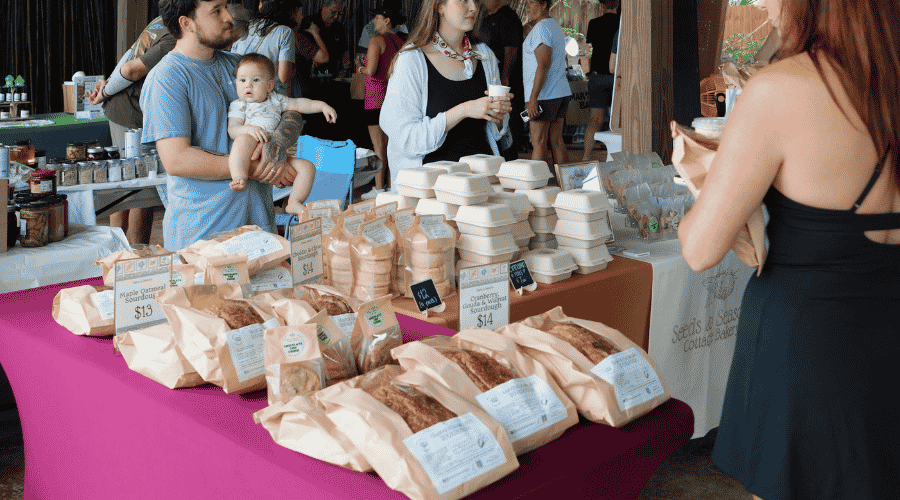
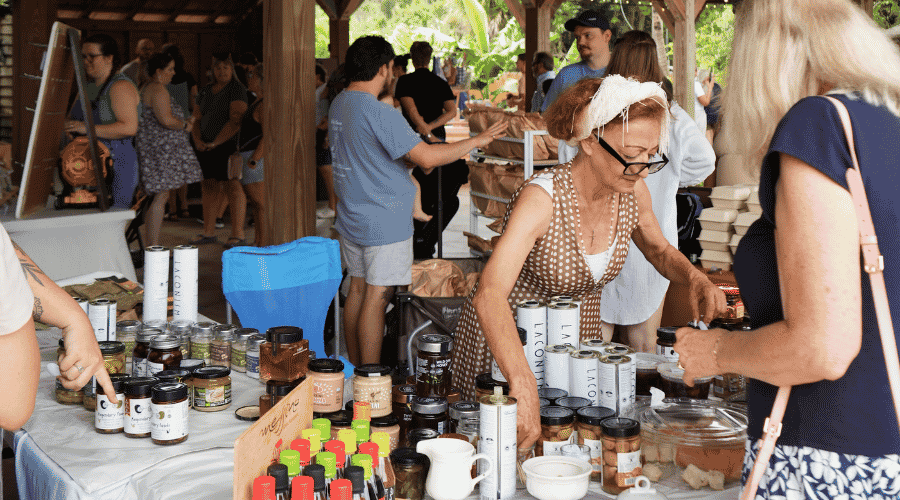
If you’ve visited a farmers market lately, you may have noticed something interesting. Instead of tables overflowing with tomatoes, lettuce, peppers, and sweet corn, many vendors are offering tropical fruit, honey, herbs, cut flowers, baked goods, or locally raised meats. If you’re new to Florida, you may even wonder if something is wrong with this year’s harvest. This is not the case!
In fact, August is one of the most challenging months of the year for growing vegetables in Florida. While much of the country is enjoying peak garden season, Florida gardeners are patiently waiting for ours to begin.
Florida Doesn’t Follow the Same Gardening Calendar
In northern states, gardeners celebrate summer harvests because warm weather finally arrives after a long winter.
Florida is different.
Our greatest gardening challenge isn’t cold weather. It is the heat, humidity, heavy rainfall, and relentless insect and disease pressure. By August, daytime temperatures regularly climb into the 90s, nighttime temperatures remain warm, and afternoon thunderstorms create ideal conditions for fungal diseases. Many familiar vegetables simply struggle under these conditions.
Consider Summer the gardening “off season”. While there are still plenty of crops growing, the greatest diversity of vegetables is usually found during our cooler months.
What Does Grow During Florida Summers?
Although the selection is smaller than during fall and winter, several crops truly thrive in our intense heat.
Look for:
- Okra
- Southern peas (cowpeas, black-eyed peas)
- Sweet potatoes
- Malabar spinach
- Roselle
- Seminole pumpkin
- Tropical fruits such as mangoes, bananas, papaya, passionfruit, dragon fruit, and starfruit (Maybe less fruit in 2026 due to freeze)
- Fresh herbs like basil and lemongrass
These plants evolved in warm climates or have adaptations that allow them to continue producing despite high temperatures.
Okra, for example, often becomes more productive as temperatures rise, while sweet potatoes happily spread through the summer heat when many other vegetables have already given up.
Why Aren’t There More Tomatoes?
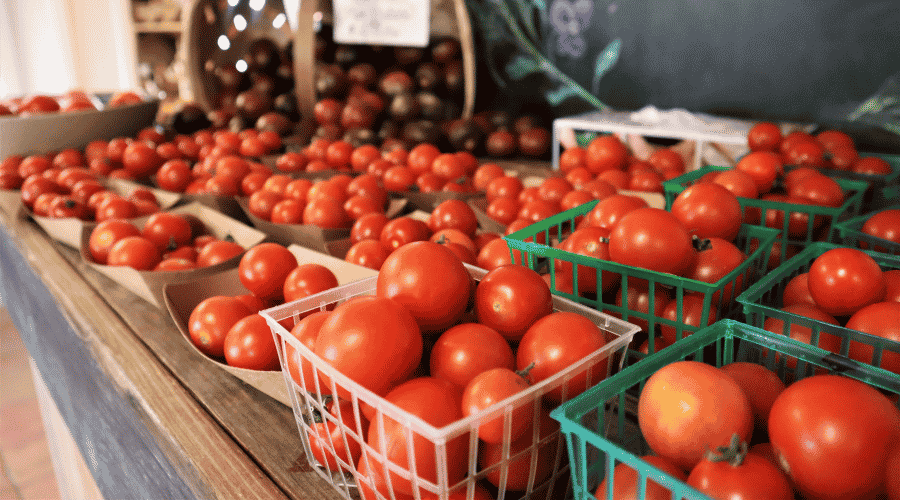
Tomatoes are probably the biggest surprise for newcomers to Florida.
Although we associate tomatoes with summer across much of the country, Florida tomatoes generally perform best during our cooler months. High daytime temperatures, warm nights, heavy rainfall, and increased disease and insect pressure make it much more difficult for many popular tomato varieties to set fruit and stay productive through August.
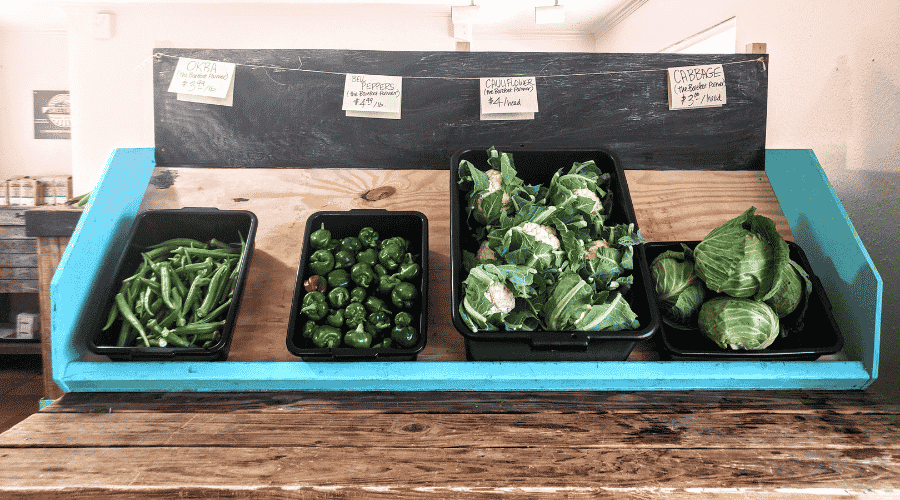
That doesn’t mean tomatoes are impossible! Heat-tolerant varieties, especially Everglades tomatoes, often continue producing throughout the summer. Cherry and grape tomatoes also tend to perform better than large slicing varieties, and gardeners who provide good airflow, mulch, grow in containers, and provide consistent pest management can often harvest tomatoes well into the hottest months. Many peppers and eggplants also continue producing through the summer, although harvests may be lighter than during cooler weather.
Still, August is usually not when Florida growers see their largest tomato harvests. For many gardeners, the biggest flush of tomatoes comes during the fall, winter, and spring growing seasons. While adventurous gardeners may still be harvesting peppers, Everglades tomatoes, eggplant, and a few other heat-tolerant crops, the overall diversity of locally grown produce is often lower than it will be just a few months from now.
Now Is the Time to Start Thinking About Fall Planting
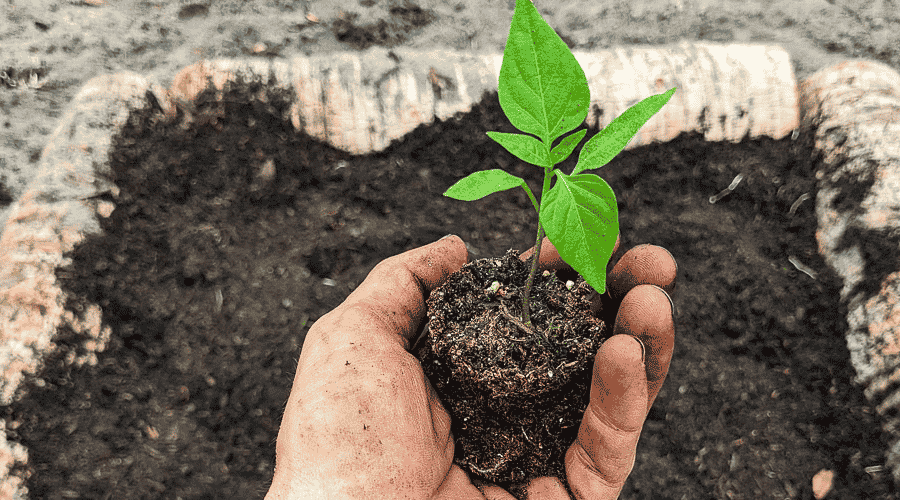
While the garden may look quiet above ground, August is actually one of the busiest planning months of the year.
Many gardeners begin starting seeds indoors or in shaded areas for transplanting once temperatures begin to moderate.
Depending on your location in Florida, this is a good time to begin starting:
- Tomatoes (especially heirloom and slicing tomatoes)
- Peppers
- Eggplant
- Broccoli
- Cabbage
- Cauliflower
- Kale
- Swiss chard
- Collards
- Brussels sprouts
- Herbs such as parsley and cilantro
Over the coming weeks, direct seeding can also begin for crops like beans, cucumbers, squash, carrots, radishes, beets, lettuce, spinach, and other cool-season vegetables as temperatures continue to cool. In Central Florida, gardeners can often begin sowing many of these crops from late August through September. If you are a little further south of the county, gardeners may want to wait a bit longer for cooler conditions.
In many parts of Florida, the vegetable garden planted in late summer and early fall will continue producing all the way through winter and into spring.
The Farmers Market Will Change Soon
One of the joys of shopping locally is watching the seasons change.
As fall arrives, farmers market tables gradually begin filling with fresh tomatoes, peppers, leafy greens, broccoli, root crops, citrus (later in the season), strawberries, and countless other locally grown favorites.
Instead of expecting one big harvest season, Florida gardeners enjoy several waves of fruits and veggies spread throughout the cooler months.
If you’re new to gardening in Florida, it helps to think of our calendar as upside down.
Instead of planting in April and harvesting through summer, many of our best vegetable gardens are planted in late summer and harvested through fall, winter, and spring.
So if this week’s farmers market seems a little quieter than expected, don’t worry. Nature is simply following Florida’s unique rhythm. Before long, gardens and market tables alike will begin filling with the incredible variety that makes Florida one of the best places in the country to grow vegetables. It just happens during the cooler months.