By Amanda Rose Newton
The unusually cold weather Florida experienced this winter left many homeowners wondering if their fruit trees would recover. While many trees have since produced new leaves and appear healthy, a common question remains:
“Will I still get fruit this year?”
The answer depends on several factors, including the type of fruit tree, when the freeze occurred, how cold it became, and whether flower buds were damaged. Flowers develop into fruit, so without flowers, there will be no fruit.
Why Freezes Affect Fruit Production
Leaves can often regrow after freeze damage, but flowers and developing fruit are much more sensitive to cold temperatures. Many fruit trees bloom during late winter or early spring, making them especially vulnerable to freezes that occur during flowering.
Even if a tree looks perfectly healthy today, it may have lost its flowers months ago. Without flowers, there can be no fruit this season.
The good news is that many healthy trees will return to normal production next year.
What to Expect by Fruit Type
Citrus
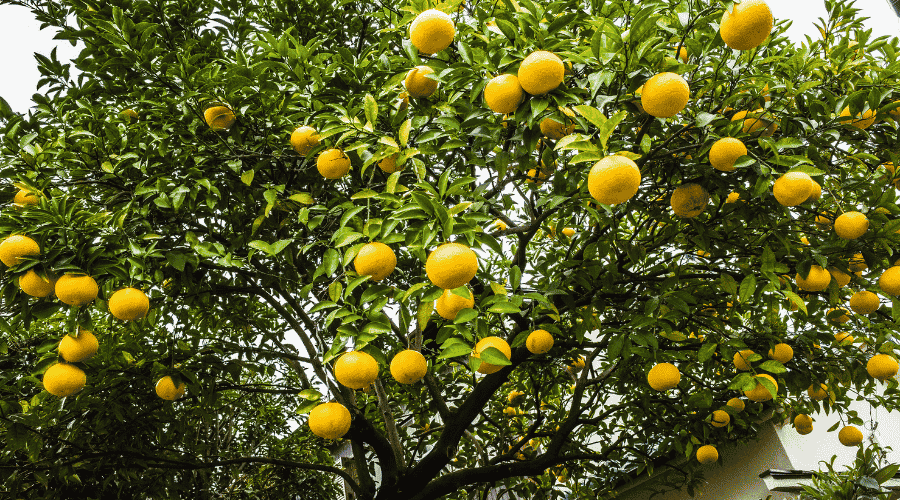
Most established citrus trees are remarkably resilient. Mature orange, grapefruit, tangerine, and many mandarin trees typically recover well from short freezes.
You may notice:
- Reduced fruit production this year
- Smaller fruit crops
- Leaf drop followed by new growth
If major branches survive and vigorous new growth has appeared, the tree will likely return to a more normal harvest next season.
Florida Peaches
Peaches often bloom very early in Florida.
A late freeze during flowering can eliminate most or all of the year’s crop, even though the tree remains perfectly healthy. Many homeowners mistakenly believe their tree is dying when, in reality, only the flowers were damaged.
Continue caring for the tree normally, and it should bloom again next year.
Blueberries
Blueberries are especially sensitive because they flower during late winter.
Depending on the variety and your location, freezes may have damaged flower clusters or young berries. Some bushes may still produce a partial crop while others produce very little this season.
Healthy plants should recover with proper care.
Mango
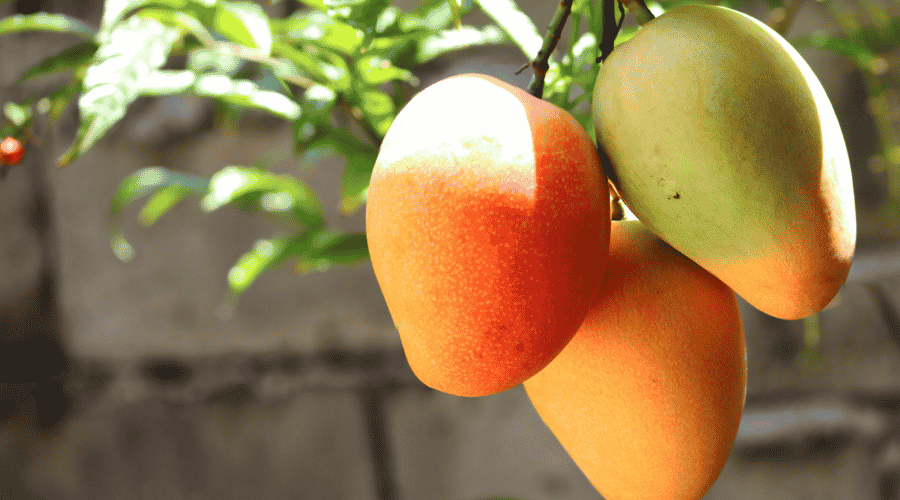
Young mango trees are among the most cold-sensitive fruit trees grown in Central Florida.
Some experienced significant leaf burn or branch dieback after this winter’s freeze. If the trunk and main scaffold branches survive, new shoots often emerge during spring and summer.
Do not expect heavy fruit production this year if the tree suffered significant damage. Focus on rebuilding a healthy canopy first.
Avocado
Avocados vary greatly in cold tolerance depending on the variety.
Some West Indian types suffered considerable damage, while Mexican varieties generally tolerated cooler temperatures better.
Trees that experienced dieback often devote their energy to replacing branches rather than producing fruit this season.
Loquat
Loquats often bloom during fall and winter, making their flowers especially vulnerable to freezes.
This means you might have seen healthy trees but little or no fruit this year because blossoms were damaged during the cold weather.
The trees themselves usually recover well.
Fig
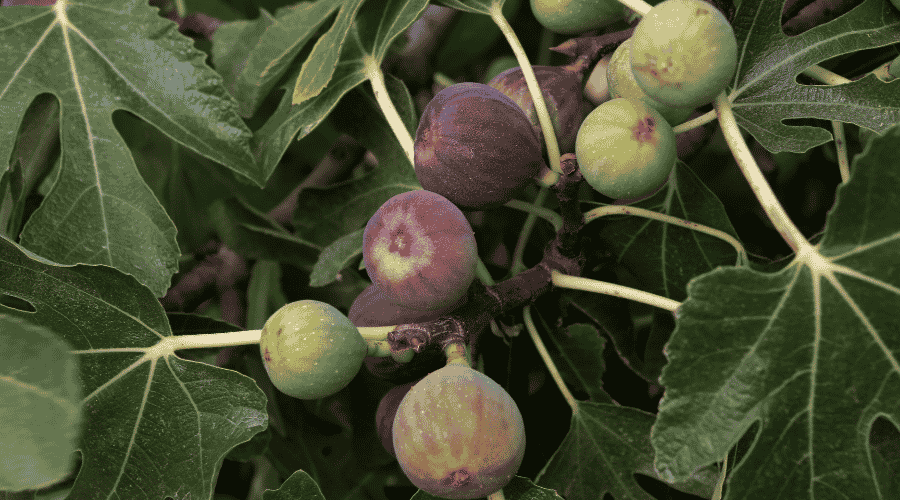
Figs are surprisingly resilient.
Even when stems die back, established plants frequently resprout from the base and can still produce fruit later in the season on new growth.
Should I Fertilize to Encourage Fruit?
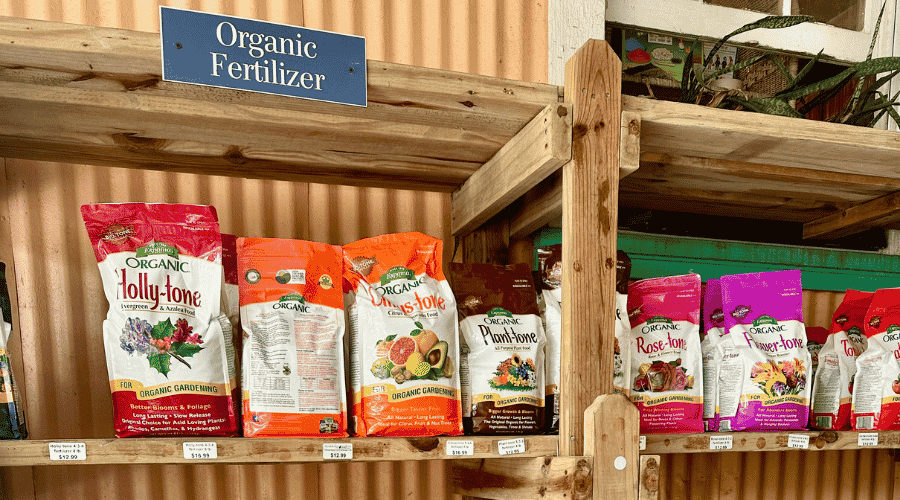
After freeze damage, avoid applying excessive nitrogen fertilizer in hopes of encouraging fruit production.
High nitrogen promotes leafy growth rather than flowering and may actually delay recovery.
Instead:
- Water during dry periods.
- Apply fertilizer according to UF/IFAS/Rockledge Gardens recommendations for your specific fruit tree.
- Mulch to help conserve soil moisture.
- Remove only branches that are clearly dead after new growth begins.
Be Patient Before Pruning
One of the biggest mistakes after a freeze is pruning too soon.
Dead-looking branches sometimes recover weeks later. Waiting until spring growth clearly shows which branches are alive allows you to make better pruning decisions and preserve more of the tree.
If your fruit tree has healthy new leaves but very little fruit this year, don’t lose hope.
For many fruit trees, the freeze damaged flowers rather than the tree itself. As long as the root system and major branches remain healthy, there is an excellent chance your tree will return to normal fruit production next season.
In the meantime, continue watering during dry weather, fertilize appropriately, and avoid unnecessary pruning. Healthy trees are far more likely to reward your patience with abundant harvests in the years ahead.