By Amanda Rose Newton
By late summer in Florida, lawns have been through a lot. Intense sun, high temperatures, periods of heavy rain followed by surprisingly dry stretches, frequent mowing, and summer pest pressure can all take a toll on turfgrass. When a lawn begins looking thin, pale, or stressed, it’s tempting to reach immediately for a bag of fertilizer.
But does your lawn actually need to be fed?
Sometimes the answer is yes. Other times, adding fertilizer, or almost anything else, is unlikely to solve the underlying problem. If you’re looking for gentler lawn-care options around children and pets, the best approach starts with figuring out what your grass actually needs.

First: Does Your Lawn Need Food?
Grass that is pale green, growing slowly, or becoming thin may be lacking nutrients, but appearance alone doesn’t diagnose a deficiency.
Before fertilizing, consider what else has been happening in the lawn.
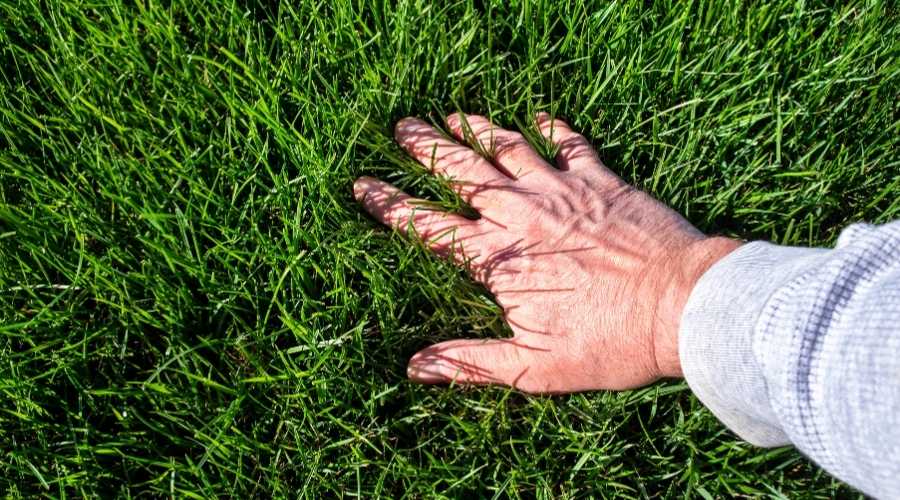
Check the soil moisture. Grass that needs water may become dull or blue-green, and blades may fold or wilt. Footprints that remain visible after walking across the lawn can also indicate water stress.
Look at the pattern. A uniformly pale lawn may suggest a fertility issue. Distinct patches, rings, rapidly expanding brown areas, or isolated dead spots are more suggestive of irrigation problems, insects, disease, pet urine, or other localized problems.
Look closely at the grass. Chewed blades, damaged roots, spots on leaves, webbing, or turf that pulls easily from the soil deserve investigation before fertilizer is applied.
And remember that Central Florida turf naturally responds to weather. A lawn experiencing severe heat or drought stress doesn’t necessarily need encouragement to grow faster.
Compost: A Simple Place to Start
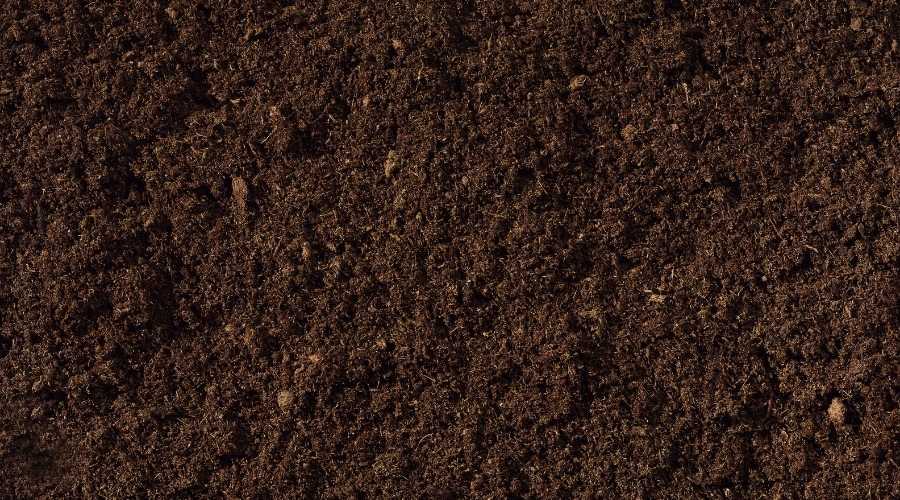
One of the most useful natural additions to an established lawn is finished compost.
A light compost topdressing adds organic matter and can improve soil structure and water-holding capacity over time. Compost also supports the diverse organisms living in healthy soil.
The key word is light.
You aren’t trying to bury the lawn. Spread approximately ¼ inch of screened, finished compost across the turf, allowing the grass blades to remain exposed. Rake it gently into the canopy if necessary.
Avoid unfinished or poorly composted material, which may contain weed seeds or continue decomposing after application.
For households with pets and children, properly finished compost can be an appealing option because it improves the soil rather than relying on a concentrated application of soluble nutrients.
Worm Castings
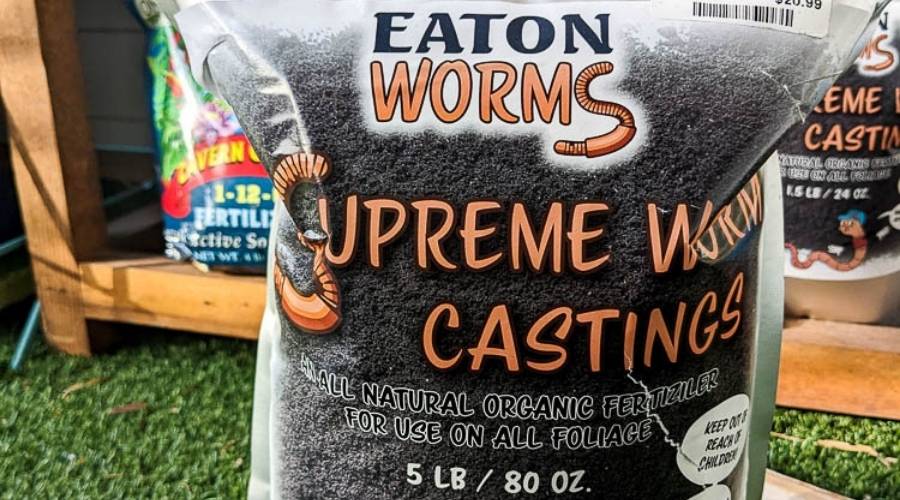
Earthworm castings are another gentle soil amendment. They contain organic matter and relatively low concentrations of plant-available nutrients.
For a lawn, castings can be scattered lightly across the soil surface or incorporated into small areas where turf is being established or repaired.
They aren’t a miracle treatment, and covering an entire large lawn with packaged worm castings can get expensive quickly, but they can be useful for small lawns and problem areas.
Natural Fertilizers
Products labeled organic or natural can supply nutrients from materials such as plant meals, composted materials, or other organic sources. Check www.OMRI.org (Organic Materials Review Institute) for a listing of what counts as an official “organic” product. No soil or synthetic additive material is truly organic. Some are just allowed for use in organic industries. Labeling can be misleading.
These fertilizers generally release nutrients more gradually as microorganisms break down the material.
That doesn’t mean, however, that natural fertilizer can’t be overapplied.
Nitrogen is still nitrogen. Excess nutrients can contribute to overly rapid growth and can move into waterways. Always follow the product’s application rate and check local fertilizer restrictions before applying anything.
Also remember that “natural” does not automatically mean harmless to pets or children. Some fertilizer ingredients can be attractive to dogs, for example. Keep children and pets away during application, clean up spills immediately, and follow all label directions regarding reentry.
What About Seaweed and Kelp?
Liquid seaweed and kelp products are often marketed as lawn tonics or biostimulants. They may contain small quantities of nutrients and naturally occurring compounds associated with plant growth.
They’re fine to use according to their labels, but expectations should be realistic.
Kelp isn’t a substitute for correcting a genuine nutrient deficiency, irrigation problem, compacted soil, insect infestation, or turf disease. Think of these products as optional supplements rather than lawn medicine.
Grass Clippings Are Lawn Food Too
One of the easiest lawn-feeding practices costs absolutely nothing:
Leave grass clippings on the lawn.
Short clippings decompose rapidly and return nutrients and organic matter to the system. Unless the grass is unusually tall, wet, diseased, or producing heavy clumps, there’s generally no need to bag it.
It’s essentially recycling nutrients that are already present in your lawn.
Don’t Forget the Mower
Sometimes the best thing you can give a summer lawn isn’t fertilizer at all.
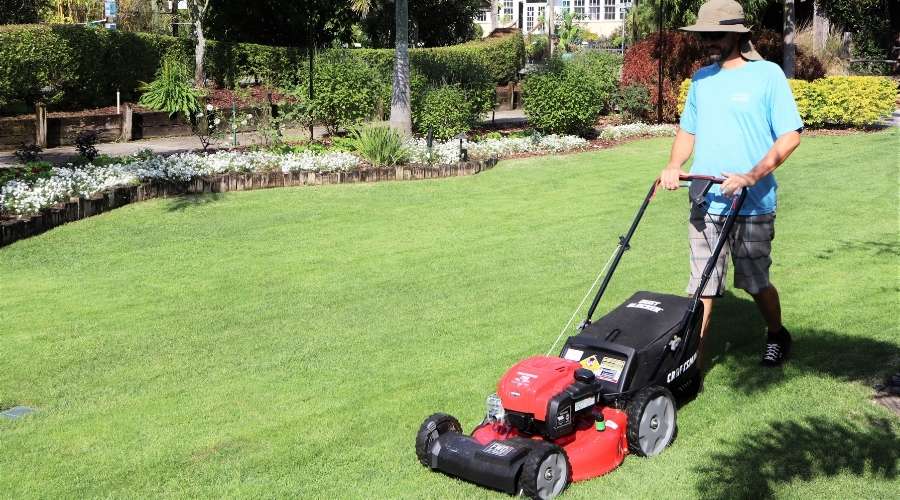
Raise the mowing height.
Adequate leaf area helps turf maintain a stronger root system and tolerate environmental stress. Avoid removing more than about one-third of the grass blade at a single mowing.
Keep mower blades sharp as well. Dull blades tear rather than cleanly cut the grass, leaving ragged edges and making a stressed lawn look even worse.
Different Florida turfgrasses have different recommended mowing heights, so know whether you’re growing St. Augustinegrass, bahiagrass, zoysiagrass, or another species before setting the mower.
Water Deeply, Not Constantly
More water isn’t necessarily better.
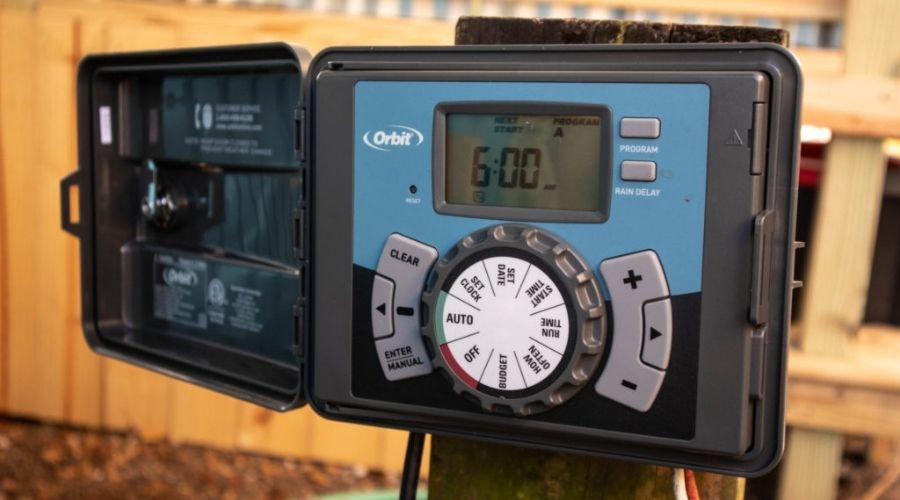
Frequent shallow irrigation can encourage shallow rooting, while continually wet turf may favor disease. Water based on the needs of the grass rather than automatically adding irrigation because it’s hot outside.
During Florida’s rainy season, your irrigation system may not need to run nearly as often as its programmed schedule suggests.
If only one portion of the lawn looks dry, check sprinkler coverage before increasing irrigation everywhere. A clogged or misaligned sprinkler head can create a remarkably convincing “lawn problem.”
Be Careful Feeding a Drought-Stressed Lawn
If your lawn is severely wilted, brown, or dormant from lack of water, don’t respond with a heavy fertilizer application.
Fertilizer encourages growth, and growth requires resources. Address severe water stress first and determine whether the turf is still actively growing before trying to push additional growth.
Likewise, don’t assume every brown patch needs nitrogen. Fertilizing a lawn suffering from insects, disease, or irrigation failure doesn’t fix the underlying problem.
A Few Application Tips
Before applying any lawn amendment:
- Know the size of your lawn. Product rates are usually based on square footage. Guessing often leads to overapplication.
- Read the entire label. Even natural products have application rates and precautions.
- Use a calibrated spreader. More isn’t better.
- Sweep fertilizer off sidewalks and driveways. Don’t wash granules into storm drains.
- Avoid applying immediately before heavy rain. Florida thunderstorms can carry recently applied nutrients away from the lawn.
- Keep products in their original containers. Store them where children and pets cannot reach them.
- Clean up spills immediately. Storm Drains!
- Follow label directions for watering-in and reentry. Don’t assume every “natural” product has the same requirements.
Soil Testing Takes Out the Guesswork
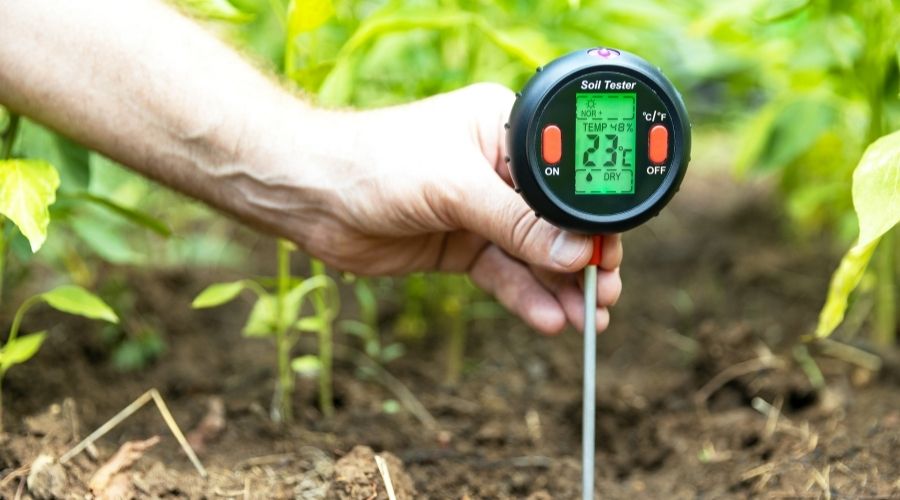
If you’ve been repeatedly adding products but the lawn still isn’t thriving, consider a soil test.
A soil test can provide useful information about soil pH and nutrient conditions and help determine whether some amendments are actually necessary.
This is particularly important with products containing phosphorus. Florida soils and landscapes don’t automatically need additional phosphorus, and applying nutrients without knowing they’re needed can create environmental problems (algal blooms) without improving the lawn.
Sometimes the Best Lawn Food Is Nothing
Perhaps the most important summer lawn-care lesson is knowing when not to add something.
If your lawn is green, actively growing, and recovering normally after mowing, it may not need another product simply because it’s the end of summer.
A healthy Florida lawn often benefits more from good basic management such as appropriate mowing, sensible irrigation, leaving clippings in place, and identifying problems before treating them, rather than from a collection of specialty additives.
And if part of the lawn consistently struggles despite your best efforts, consider whether turfgrass is really the best plant for that location. Deep shade, poorly drained areas, extremely dry spots, and heavily trafficked areas may be better suited to another landscape solution.
The goal isn’t to force every square foot of grass to look perfect during the harshest part of a Florida summer. It’s to maintain healthy turf while using water and nutrients responsibly. The goal is to keep the landscape a comfortable place for the people and pets who actually use it.