By Amanda Rose Newton
Long before gardening calendars, weather forecasts, and soil testing kits, growers looked to the sky for guidance. The changing phases of the Moon offered a familiar rhythm for planting seeds, tending crops, and gathering harvests. Today, this ancient practice, known as gardening by the Moon, continues to intrigue gardeners who enjoy blending traditional wisdom with modern horticulture.
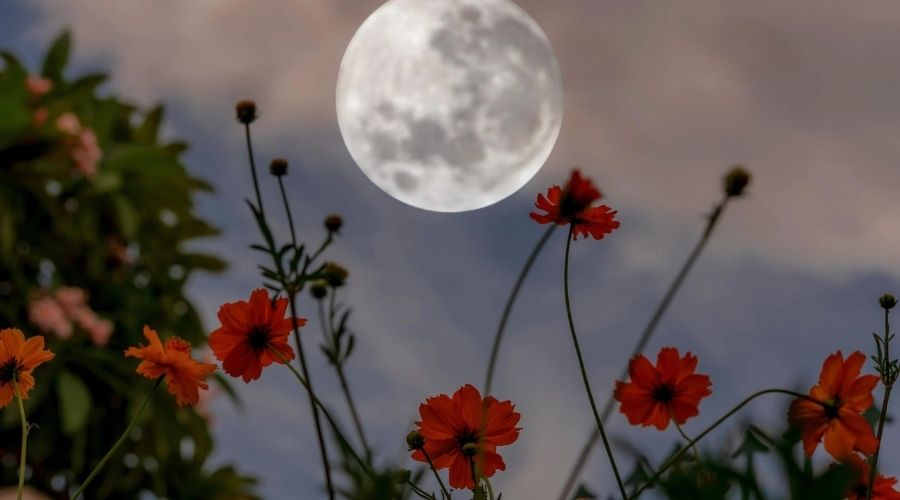
October is an especially inviting time to explore this tradition in Florida. As the intense summer heat begins to ease and the fall growing season gets underway, the garden offers plenty of opportunities to experiment with lunar timing.
A Tradition Rooted in History
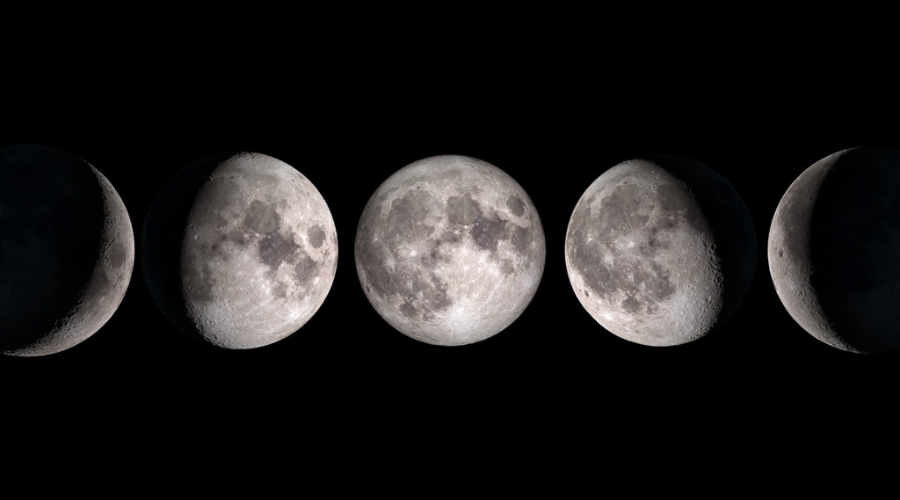
For thousands of years, people have used the Moon to measure the passage of time. Its predictable cycle, lasting approximately 29.5 days from one new moon to the next, provided a natural calendar long before modern timekeeping.
Agricultural traditions developed around these lunar rhythms in different parts of the world. Ancient Roman writers, including Pliny the Elder, described beliefs connecting the Moon with moisture and plant growth. Later, European farming traditions incorporated lunar phases into decisions about sowing, pruning, and harvesting.
These ideas eventually found their way into agricultural almanacs, including the Farmers’ Almanac, first published in 1818, which continues to feature lunar planting guidance.
Although the details vary among traditions, the underlying idea is remarkably consistent: the Moon’s changing appearance can serve as a guide for organizing work in the garden.
Following the Lunar Cycle
Traditional lunar gardening divides the Moon’s approximately 29.5-day cycle into four periods, each associated with different gardening activities.
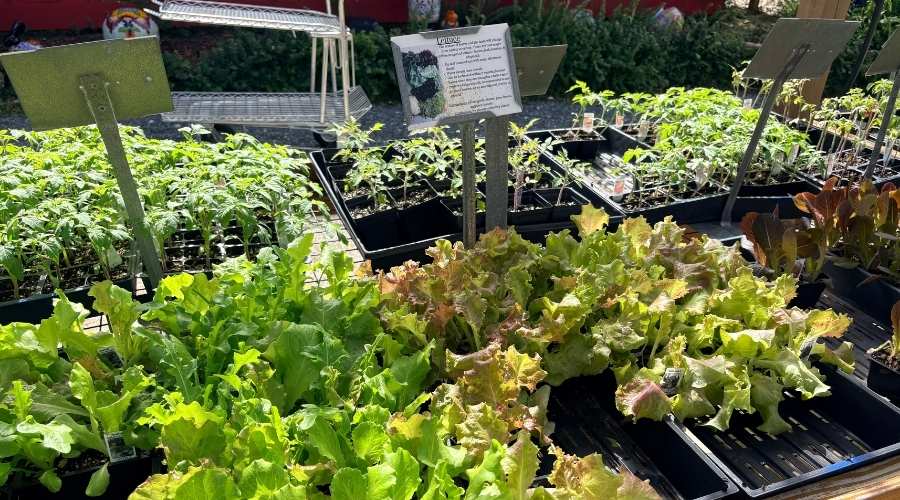
- New Moon to First Quarter (Waxing Moon): Traditionally favored for planting leafy greens and other above ground crops, such as lettuce, kale, and herbs.
- First Quarter to Full Moon (Waxing Moon): Associated with planting crops that produce fruits or seeds, including tomatoes, peppers, and beans.
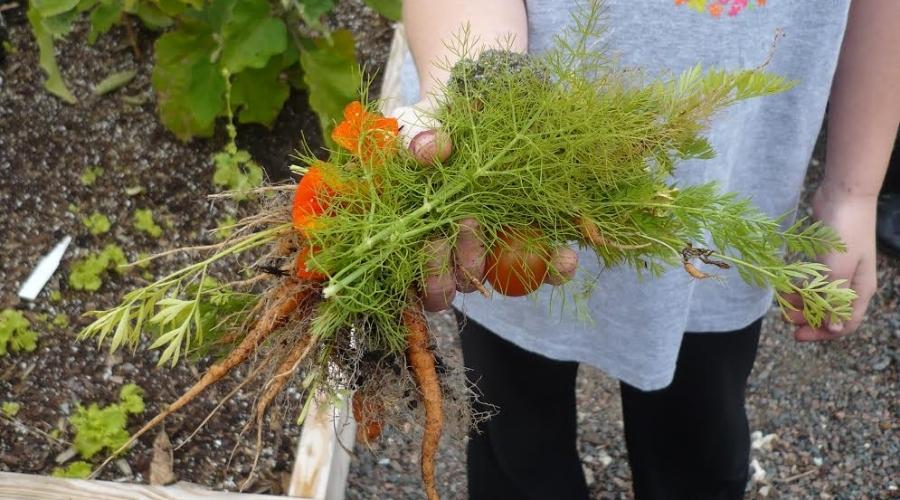
- Full Moon to Last Quarter (Waning Moon): Considered an ideal period for planting root vegetables such as carrots, radishes, beets, and turnips.
- Last Quarter to New Moon (Waning Moon): Reserved for weeding, pruning, thinning, harvesting, and preparing garden beds.
These recommendations come from agricultural folklore rather than established differences in plant physiology, but they offer a memorable way to organize gardening activities throughout the month.
The Science Behind the Tradition
The Moon certainly influences life on Earth. Its gravitational pull contributes to ocean tides, and its changing illumination affects the behavior of some animals. But whether lunar phases meaningfully influence seed germination, root development, or crop yields is another matter.
Traditional explanations often suggest that lunar gravity draws moisture upward through the soil or that increasing moonlight encourages plant growth. Although these ideas sound plausible, research has not established reliable evidence that planting according to lunar phases improves gardening outcomes.
What we do know is that temperature, soil moisture, sunlight, nutrient availability, and plant genetics have much stronger and better-documented effects on growth.
Still, gardening by the Moon can offer something valuable beyond its proposed effects on plants. Following a lunar calendar encourages gardeners to observe seasonal changes, plan ahead, and develop a regular routine for caring for their gardens.
While gardeners farther north may be preparing their beds for winter dormancy, October marks the beginning of one of Central Florida’s most productive growing seasons.
For those interested in trying lunar gardening, October provides several opportunities to pair traditional timing with crops suited to our climate.
- During the waxing Moon: Plant leafy greens such as lettuce, kale, arugula, and Swiss chard. Herbs like cilantro and parsley are also excellent choices as temperatures cool. Established tomato and pepper transplants can also be planted when conditions are favorable.
- During the waning Moon: Turn your attention to root vegetables. Carrots, radishes, beets, and turnips are well suited to Florida’s cooler growing season and can be grown in raised beds, traditional vegetable gardens, or sufficiently deep containers.
- During the final quarter: Remove weeds, refresh mulch, incorporate compost into empty beds, and inspect plants for pests or disease. These tasks help prepare the garden for continued growth, regardless of the Moon’s phase.
October is also a wonderful time to introduce cool-season color with flowers such as dianthus and petunias as temperatures become more favorable.
The most important consideration is to let Florida’s growing conditions take priority. If the weather is favorable and your seedlings are ready, there’s no need to delay planting while waiting for a particular lunar phase.
A Little Moonlight, a Little Curiosity
Perhaps the most enjoyable way to explore lunar gardening is to treat it as a garden experiment. Try planting the same variety of radish or lettuce at different points in the lunar cycle, keeping soil conditions, watering, and other factors as consistent as possible. Record germination dates, growth rates, and harvests, and see what patterns emerge.
A single garden experiment won’t settle the science, but it can make gardening more engaging and encourage closer observation of the plants we grow.
Whether you follow the Moon faithfully or simply enjoy the tradition, there’s something wonderful about connecting the work of today’s garden with practices passed down through generations.

This October, look up at the evening sky, take note of the Moon’s phase, and enjoy the rhythm of another Florida growing season. The Moon may not determine the success of your garden, but it can certainly inspire you to spend a little more time tending it.
Whether you’re planting by the Moon or following the rhythm of Florida’s seasons, the team at Rockledge Gardens is here to help you choose the right plants and keep your garden thriving all year long!