By Amanda Rose Newton
There is something especially satisfying about growing a plant that is both beautiful and useful. Elderberry offers the best of both worlds, producing clusters of delicate white flowers followed by deep purple-black berries that can be transformed into syrups, jams, and other homemade treats. Even better, this versatile native shrub is well suited to Central Florida gardens!
Elderberry has a long history of use in traditional herbal preparations, particularly during cold and flu season. Its berries contain naturally occurring antioxidants, including anthocyanins, the pigments responsible for their rich purple color. While research into elderberry’s immune-supporting properties is ongoing, the fruit remains a popular ingredient in homemade wellness recipes.
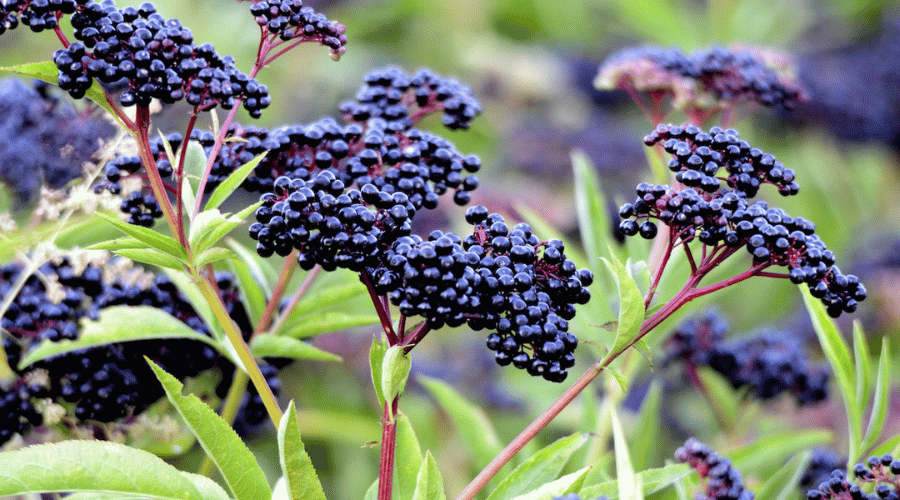
For Central Florida gardeners, growing your own elderberries is an opportunity to enjoy a productive landscape plant while experimenting with new ways to use your harvest.
A Florida-Friendly Native
American elderberry (Sambucus nigra subsp. canadensis), also commonly called Sambucus canadensis, is native to much of eastern North America, including Florida. Unlike some fruiting plants that struggle with our hot, humid summers, Florida-adapted elderberries thrive in the region’s growing conditions.
These fast-growing shrubs can reach 10 to 12 feet tall and wide, although regular pruning can help manage their size. They offer several benefits in the landscape:
- Seasonal flowers: Broad clusters of creamy white blooms add beauty and attract pollinators.
- Edible harvests: Mature plants produce clusters of dark berries that can be cooked and used in recipes.
- Wildlife value: Birds and other wildlife enjoy the fruit.
- Versatile landscaping: Elderberry works well in edible gardens, wildlife gardens, and naturalized planting areas.
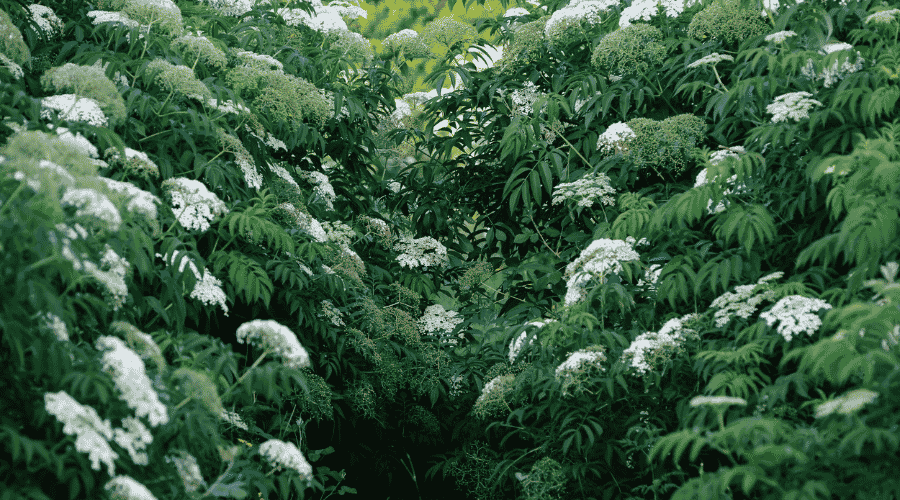
Because elderberries can spread through underground shoots, it is best given plenty of room to grow.
Growing Elderberry in Central Florida
Elderberry is relatively easy to grow once established, particularly when planted in a location that provides adequate sunlight and consistent moisture.
A few simple growing practices will help keep your plants healthy and productive:
- Sunlight: Choose a location with full sun for the best flowering and fruit production. Elderberry can tolerate partial shade, but sunnier locations generally produce more abundant harvests.
- Soil: Elderberry prefers fertile, moisture-retentive soil. Central Florida’s sandy soils benefit from the addition of compost, which improves moisture and nutrient retention.
- Watering: Keep the soil consistently moist, especially while plants establish their root systems. Water deeply during dry periods and use organic mulch to conserve moisture.
- Spacing: Allow approximately 6 feet or more between plants to provide room for growth, pruning, and harvesting.
- Planting time: Fall is an excellent time to establish elderberries in Central Florida. Spring planting is also suitable after the danger of frost has passed.
- Pruning: Remove dead, damaged, or diseased branches during the dormant season. Established plants can be selectively thinned to encourage healthy growth and improve air circulation.
Elderberry generally requires relatively little maintenance, but gardeners should occasionally check for stem borers, leaf spots, and powdery mildew. Good air circulation, appropriate watering, and removal of diseased plant material can help keep plants healthy.
Encouraging Flowers and Fruit
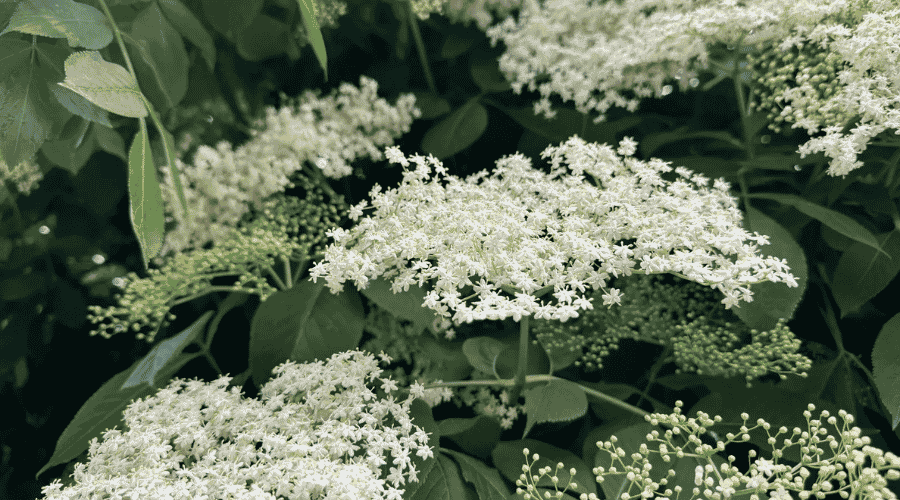
One of the pleasures of growing elderberries is watching the plant change throughout the growing season. Large clusters of tiny white flowers eventually give way to berries that gradually darken as they ripen.
Florida-adapted elderberries may begin flowering as early as February or March, with ripe fruit appearing as early as June. Depending on the plant and growing conditions, flowering and fruiting may continue over an extended period.
For the best fruit production, keep these tips in mind:
- Plant for pollination: Growing more than one compatible elderberry variety may improve pollination and fruit production.
- Choose Florida-adapted plants: Varieties developed for colder regions may not perform as well in Central Florida’s climate.
- Maintain consistent moisture: Water stress can affect flowering, fruit development, and overall plant health.
- Allow plants to mature: Young plants may produce some berries, but established shrubs generally provide more substantial harvests.
Patience pays off with elderberries. Giving plants time to develop strong root systems will support healthier growth and better harvests in future seasons.
Harvesting Elderberries
Harvesting elderberries requires a little patience, but the reward is well worth the effort.
The berries develop in broad clusters and gradually change from green to reddish-purple before reaching their mature, dark purple-black color. Wait until the berries are fully ripe before harvesting.
Signs that elderberries are ready to harvest include:
- Berries have developed a uniform, deep purple-black color.
- Fruit appears plump and fully developed.
- Most berries within the cluster have ripened.
- Ripe berries separate relatively easily from their stems.
Use clean pruning shears to cut entire berry clusters from the plant rather than picking individual berries in the garden. This makes harvesting easier and helps prevent damage to the delicate fruit.
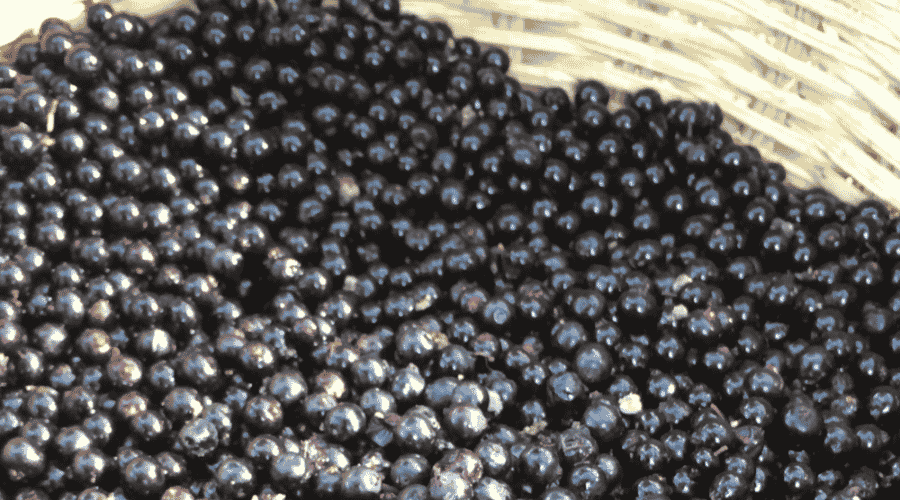
Once indoors, prepare your harvest by following a few simple steps:
- Carefully remove the berries from their stems.
- Discard green, unripe, or damaged berries.
- Rinse the remaining berries thoroughly.
- Process the berries promptly or freeze them for later use.
Important safety note: Elderberries should never be eaten raw. Raw or unripe berries, along with the leaves, stems, and other plant parts, contain naturally occurring compounds that can cause illness. Use only correctly identified, fully ripe elderberries, remove stems and leaves, and cook the fruit thoroughly before consuming it. Never use unidentified wild berries in homemade preparations!
Fresh elderberries are highly perishable, particularly in Florida’s summer heat. Plan to process them soon after harvesting or refrigerate them temporarily until they can be prepared. This is one of the reasons you often do not see them at your local grocery store.
Homemade Elderberry Syrup
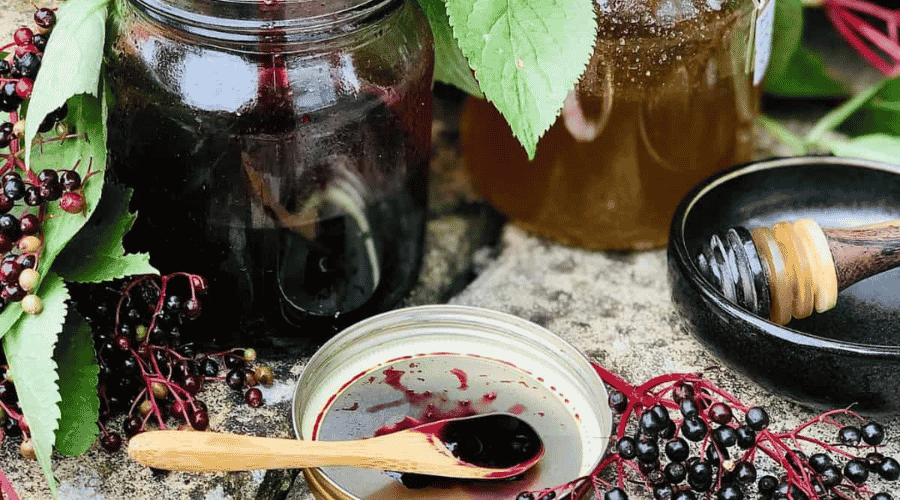
Homemade elderberry syrup is one of the most popular ways to enjoy this flavorful fruit. Its rich, slightly tart flavor pairs beautifully with warming spices such as cinnamon and ginger.
This simple recipe creates a delicious syrup that can be added to hot ciders or tea, drizzled over breakfast foods, or mixed into sparkling water.
Ingredients
- 1 cup fresh, fully ripe elderberries, carefully removed from their stems
- 2 cups water
- 1 cinnamon stick
- 2–3 thin slices of fresh ginger
- 2 tablespoons fresh lemon juice
- ½ cup honey or maple syrup, or to taste
Instructions
- Carefully inspect the elderberries, removing all stems, leaves, and unripe berries. Rinse thoroughly.
- Combine the elderberries, water, cinnamon, and ginger in a saucepan.
- Bring the mixture to a full boil, then reduce the heat and simmer uncovered for approximately 30 minutes.
- Remove from the heat and carefully strain through a fine-mesh sieve, pressing gently to extract the liquid. Discard the strained solids.
- Allow the liquid to cool until warm, then stir in the lemon juice and honey or maple syrup.
- Transfer the finished syrup to a clean container and refrigerate promptly.
This is a refrigerated syrup, not a shelf-stable canned product. For longer storage, freeze portions in freezer-safe containers or ice cube trays.
The finished syrup is wonderful stirred into warm tea, added to lemonade, or drizzled over oatmeal and pancakes.
More Ways to Enjoy Your Elderberry Harvest
Once you’ve made your first batch of elderberry syrup, there are plenty of other ways to bring this garden-grown ingredient into your kitchen.
Elderberry and Ginger Tea
Combine a spoonful of prepared elderberry syrup with hot water, fresh ginger, and a squeeze of lemon. The result is a fragrant, comforting drink that is especially enjoyable during cooler weather.
For extra flavor, try adding:
- A cinnamon stick
- Fresh mint leaves
- A slice of orange
- A little additional honey or maple syrup
Elderberry Citrus Spritzer
For a refreshing Florida-inspired drink, combine prepared elderberry syrup with chilled sparkling water and freshly squeezed orange or lemon juice.
Serve over ice with a sprig of mint or a slice of citrus. This colorful drink is a lovely way to enjoy elderberries during warm afternoons.
Elderberry Chia Jam
Turn your prepared elderberry syrup into a quick refrigerator spread by combining approximately ½ cup of syrup with 1–2 tablespoons of chia seeds.
Stir well, refrigerate, and allow the mixture to thicken. Adjust the consistency with additional chia seeds as needed.
Enjoy it on toast, stirred into oatmeal, or layered into yogurt. Keep refrigerated and use promptly.
Elderberry Smoothie
Add a small amount of prepared elderberry syrup to your favorite berry smoothie for extra color and a sweet-tart flavor.
Elderberry pairs especially well with:
- Blueberries
- Strawberries
- Bananas
- Oranges and other citrus fruits
Blend with your preferred milk or yogurt for an easy breakfast or afternoon treat.
Elderberry and Seasonal Wellness
Elderberry has been used in traditional herbal preparations for generations, particularly during cold and flu season. The fruit contains anthocyanins and other plant compounds that contribute to its antioxidant properties.
Some preliminary studies suggest that certain elderberry preparations may help reduce the duration or severity of upper respiratory symptoms. However, the available research is limited, and elderberry has not been established as a reliable way to prevent or treat respiratory infections.
For those interested in adding elderberry to their seasonal routines, there are a few important things to remember:
- Enjoy elderberry as a food: Properly cooked elderberries can be a flavorful addition to a varied diet.
- Always prepare berries safely: Raw berries and other plant parts should not be consumed.
- Keep expectations realistic: Homemade elderberry recipes are not substitutes for medical treatment or proven preventive measures.
- Consider individual health needs: Anyone considering concentrated elderberry preparations for medicinal purposes should consult a healthcare professional, particularly if taking medications or managing a health condition.
Elderberry is a wonderful ingredient to explore in the kitchen, whether you enjoy it for its traditional associations with seasonal wellness or simply appreciate its distinctive flavor.
This small shrub is a wonderful example of how a plant can contribute to both the beauty and productivity of a landscape. Its flowers provide seasonal interest and attract pollinators, its berries support wildlife, and its fruit offers creative possibilities for the home kitchen.
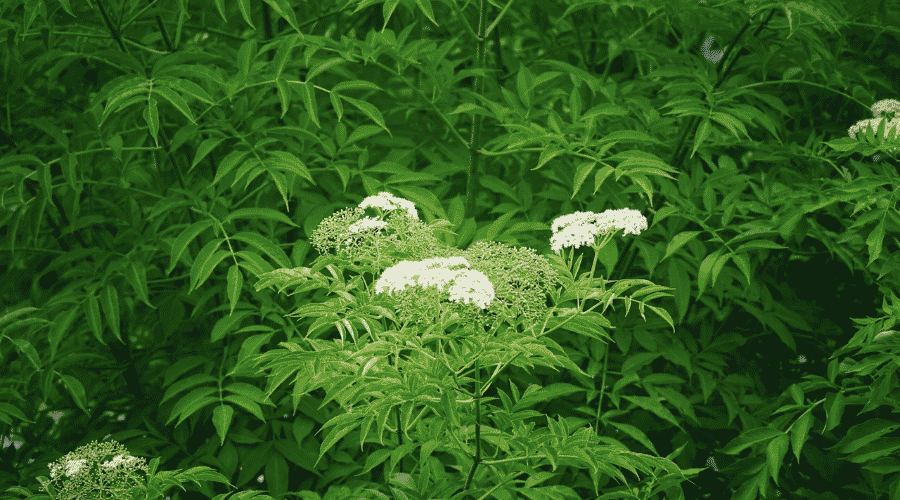
With plenty of sunlight, consistent moisture, and a little room to spread, elderberries can become a rewarding addition to a Central Florida edible garden.
Visit Rockledge Gardens to explore plants for your edible landscape and get inspiration for growing a garden that is as useful as it is beautiful.