By Amanda Rose Newton
After a freeze in Florida, there is always a rush to figure out what to do next. One of the most common recommendations you will hear is to apply copper fungicide.
Sometimes that is helpful. Sometimes it is unnecessary. Like most things in gardening, the answer depends on what is actually happening with your plants.
Here is how copper works, when it makes sense to use it, and how best to apply.
What Is Copper Fungicide?
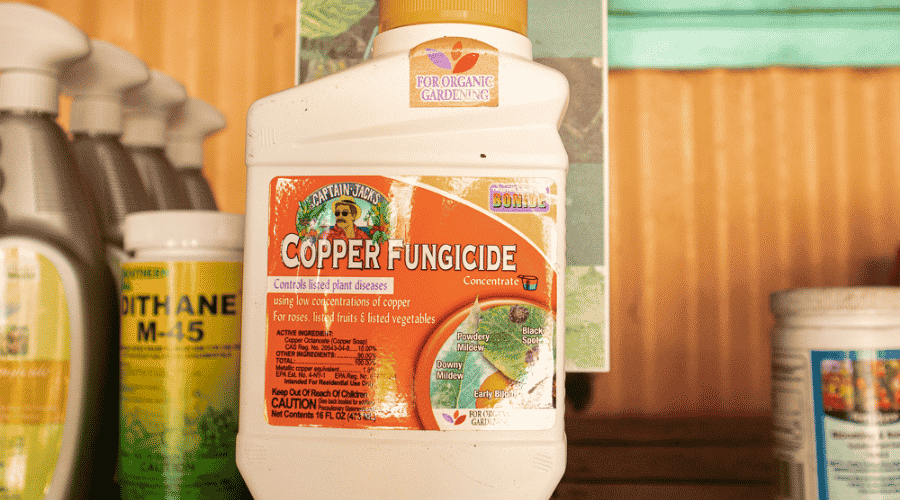
Copper fungicide is a protective treatment used to prevent fungal and bacterial diseases on plants.
It works by releasing copper ions that interfere with enzymes in fungi and bacteria. In simple terms, it stops spores from getting established on plant tissue.
The most important thing to understand is this:
Copper is preventative. It is not curative.
It does not fix damage. It helps prevent problems from developing on already stressed or injured plants.
Why It Is Recommended After a Freeze
After a freeze, plants are dealing with more than just cold damage. You will often see:
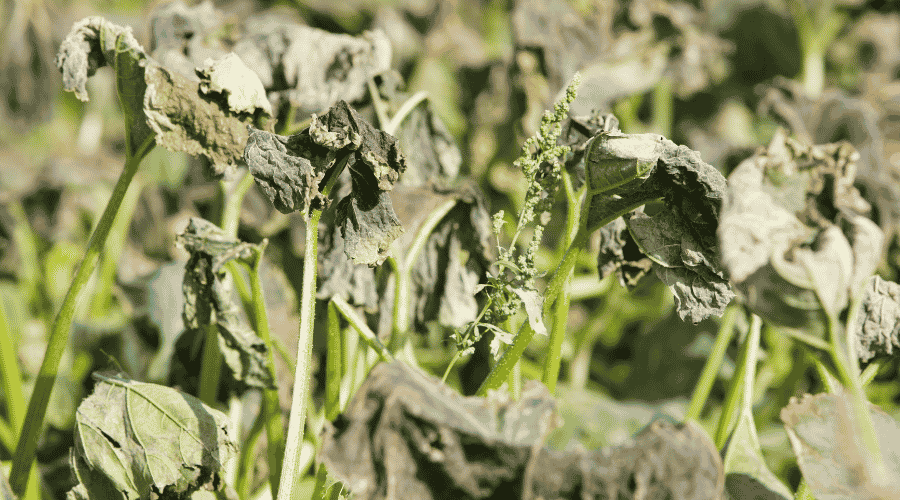
- blackened or collapsed leaves
- soft or mushy stems
- tissue that has essentially been wounded
All of those are entry points for disease.
In Florida’s warm, humid conditions, that damaged tissue can quickly turn into fungal or bacterial issues.
That is where copper can be useful. It acts as a protective layer to reduce the chances of pathogens taking hold while the plant recovers.
When to Use Copper Fungicide
Copper makes the most sense in a few specific situations.
- After freeze damage, especially on tropical plants that are trying to recover.
- During extended periods of humidity and rainfall, when fungal diseases are more likely.
- On crops or ornamentals that you already know are prone to leaf spots, blights, or similar issues.
This is not something to spray on a schedule just because it feels like you should be doing something. Which is a feeling all gardeners are guilty of.
How to Use Copper Fungicide
Start by applying it to clean, dry foliage, focusing on areas that were damaged or are most likely to develop disease. Good coverage matters, but you do not need to drench the plant.
A few general guidelines:
- Apply in the morning or evening. Not during the hottest part of the day!
- Avoid spraying plants that are already severely stressed or wilted
- Reapply only if conditions stay wet or humid and disease pressure remains high
- Always follow the label for mixing rates, since products can vary
One thing that is easy to overlook is timing. Right after a freeze, it is often better to wait until temperatures stabilize and you can clearly see what tissue is actually damaged before spraying.
Plants That Respond Well to Copper
Some plants tend to benefit more from copper applications, especially in Florida conditions.
Tropical Ornamentals
These often develop leaf spots or secondary infections after stress:
- hibiscus
- croton
- ixora
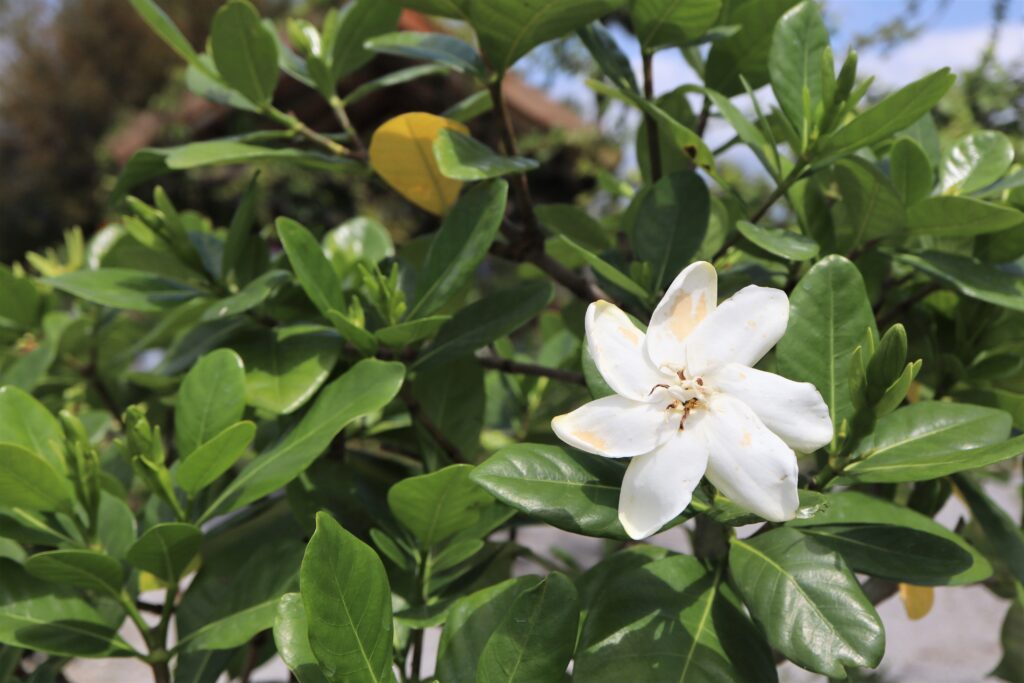
- gardenia
Vegetables
Used preventatively, especially early in disease cycles:
- tomatoes
- peppers
- squash and cucumbers
Fruit Crops
Frequently managed with copper for specific diseases:
- citrus (canker management, used carefully)
- mango (anthracnose prevention)
- avocado (leaf spot and fungal issues)
Other Situations Where Copper Helps
- newly damaged foliage after cold events
- plants with visible leaf spotting in humid weather
When to Hold Off
Copper is not always the right move.
If a plant is extremely stressed, actively wilting, or already declining, spraying copper can add another layer of stress.
If temperatures are very high, copper can cause leaf burn.
If there is no real disease risk, there is no benefit to applying it.
Sometimes the best first step after a freeze is simply to wait, see what is truly dead, and let the plant start pushing new growth.
A Note on Overuse
This is where a lot of people get into trouble.
Copper is a heavy metal. It does not break down the way many other products do.
Over time, repeated use can lead to buildup in the soil. That can affect beneficial microbes and, in some cases, the plants themselves.
You can also see phytotoxicity, which shows up as leaf burn or additional damage from the spray itself.
More is not better. Stronger is not better. More frequent is definitely not better.
Is Copper Better Than Synthetic Fungicides?
This comes up a lot, especially with gardeners trying to stay “natural.”
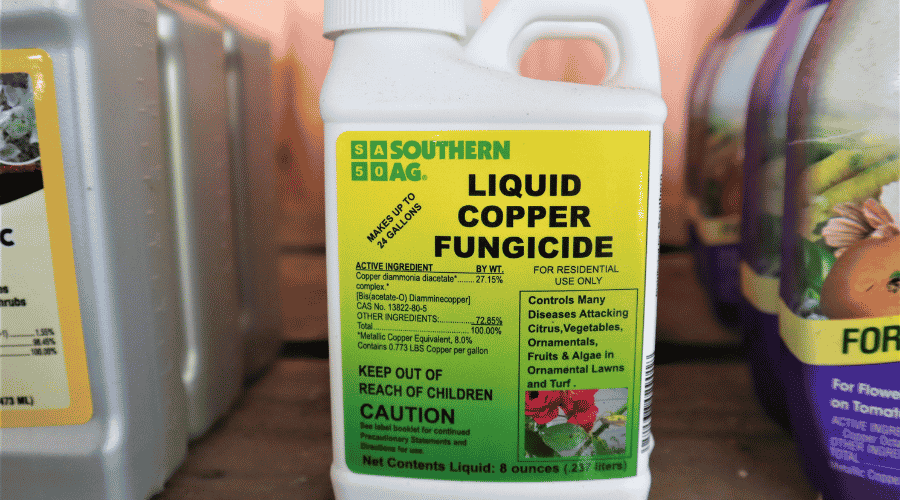
Copper is allowed in organic systems, and it does have broad activity against both fungal and bacterial pathogens.
At the same time, it is still a toxic substance at higher levels and it does not distinguish between good and bad organisms.
Some synthetic fungicides are more targeted and may break down more quickly in the environment.
So the question is not really which one is better. It is more about using the right tool for the situation and not overusing any of them.
A Practical Approach for Florida Gardens
After a freeze, it is easy to feel like you need to act immediately.
A more effective approach is:
- wait to see what recovers and what does not
- prune only after new growth starts
- improve airflow and general plant health
- use copper if conditions favor disease
Think of copper as a support tool, not a solution.
Copper fungicide can be useful, especially after freeze damage in Florida, but it works best when used carefully.
Used occasionally and thoughtfully, it can protect vulnerable plants.
In many cases, good plant care and a little patience go just as far.